
Aquarium Snail Eggs: How to Identify and What to Do
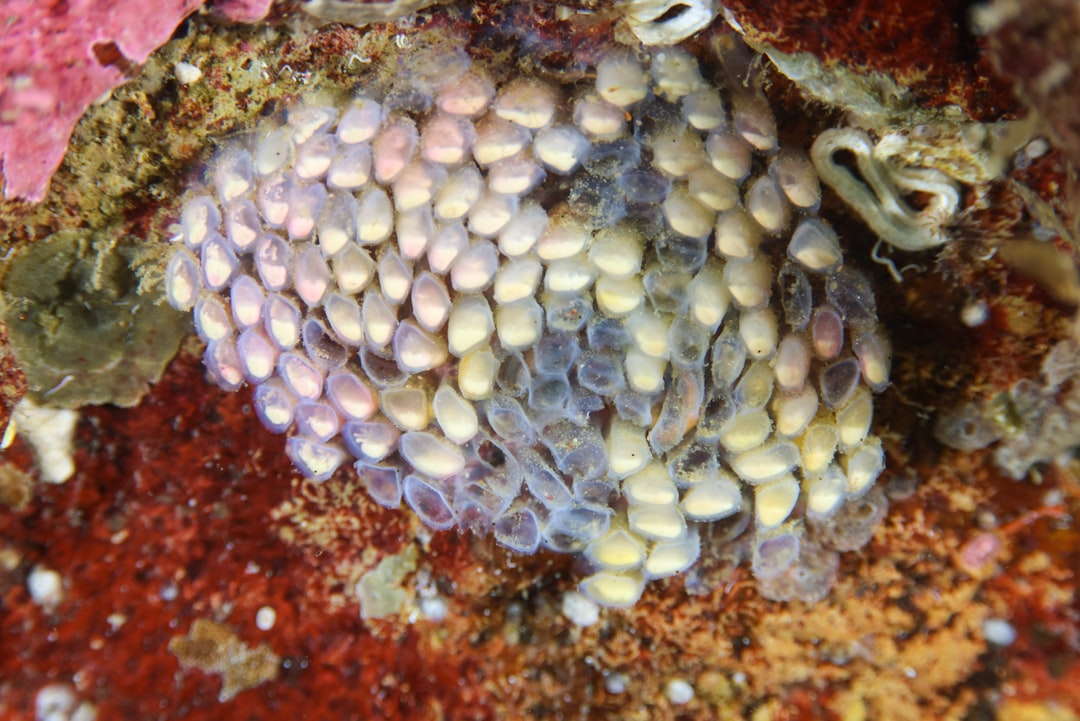
Table of Contents
- Why Aquarium Snail Eggs Identification Matters
- Nerite Snail Eggs
- Mystery Snail Eggs
- Ramshorn Snail Eggs
- Bladder Snail Eggs
- Malaysian Trumpet Snails (Live Bearers)
- Assassin Snail Eggs
- Quick Reference Table
- What to Do With Unwanted Snail Eggs
- Controlling Snail Populations
- Frequently Asked Questions
Why Aquarium Snail Eggs Identification Matters
You glance at your aquarium one morning and spot something peculiar — tiny white dots on the glass, a pink blob above the waterline, or a translucent jelly mass clinging to a leaf. Congratulations, your snails have been busy. But before you panic (or celebrate), you need to know exactly what you are dealing with.
Proper aquarium snail eggs identification helps you decide whether to leave them alone, remove them, or prepare for a population explosion. Some eggs will never hatch in freshwater. Others can turn a tidy planted tank into a snail-infested nightmare within weeks. Knowing the difference saves you time, effort and frustration.
In Singapore’s warm aquarium conditions — water temperatures typically sitting between 28 and 32 degrees Celsius without a chiller — snails breed faster than in cooler climates. That warmth accelerates egg development and shortens the time between generations, making identification and early action all the more important.
Nerite Snail Eggs
Appearance
Nerite snail eggs are among the most distinctive and, frankly, the most annoying. They appear as tiny white or cream-coloured dots resembling sesame seeds. Each egg is hard, roughly 1mm in diameter, and individually deposited on hard surfaces — glass, driftwood, rocks, filter intakes, even the shells of other snails.
Will They Hatch?
Here is the good news: nerite snail eggs will not hatch in freshwater. Nerite larvae require brackish or saltwater conditions to develop. So while the eggs are unsightly, they pose zero risk of a population boom in your planted tank.
The Catch
The bad news is that nerite eggs are remarkably stubborn to remove. They bond firmly to surfaces and require scraping with a razor blade or credit card. On porous driftwood, they can be nearly impossible to dislodge without damaging the surface. Some hobbyists in Singapore have resorted to boiling affected driftwood to soften the eggs before scrubbing.
Mystery Snail Eggs
Appearance
Mystery snail (apple snail) egg clutches are unmistakable. They are laid above the waterline — on the tank rim, the underside of the lid, or even on the wall behind your aquarium if the snail manages to climb out. The clutch is a dense, rounded mass of pink, peach or salmon-coloured eggs, roughly 2 to 4cm across, containing dozens of individual eggs.
Will They Hatch?
Yes, and quite reliably. Mystery snail eggs need humidity and air to develop. In Singapore’s naturally humid environment, clutches left on the tank rim will hatch in roughly two to three weeks. The babies drop into the water once they emerge.
What to Expect
Each clutch can produce 50 to 200 baby snails. If you want them, leave the clutch in place and ensure it stays moist but not submerged. If you do not want them, remove the clutch while it is still fresh — it peels off easily when caught early.
Ramshorn Snail Eggs
Appearance
Ramshorn snails lay their eggs in transparent, jelly-like blobs attached to glass, plant leaves, driftwood and decorations. Each blob is roughly 5 to 10mm across and contains anywhere from 10 to 40 tiny round eggs visible within the gel. The eggs start clear, then develop a slightly brownish tint as the embryos grow.
Will They Hatch?
Absolutely, and quickly. In warm Singapore water, ramshorn eggs can hatch in as little as one to two weeks. The baby snails are miniature versions of the adults, immediately mobile and feeding.
Population Concern
Ramshorns are prolific breeders. A single snail can reproduce on its own since they are hermaphrodites. Left unchecked in a well-fed aquarium, ramshorn populations can spiral rapidly. However, many aquarists in Singapore intentionally keep small ramshorn colonies as part of their clean-up crew — they are excellent algae and detritus eaters.
Bladder Snail Eggs
Appearance
Bladder snail eggs appear as small, clear or slightly milky jelly masses, typically capsule-shaped, containing 10 to 40 eggs each. They are easy to confuse with ramshorn eggs, but bladder snail egg masses tend to be smaller, more elongated and less uniformly round.
Will They Hatch?
Yes, and rapidly. Bladder snails are perhaps the most prolific pest snail in the hobby. Eggs hatch within one to two weeks in warm water, and a single bladder snail can lay multiple clutches per week.
The Pest Problem
Bladder snails are the most common uninvited guest in Singapore aquariums, typically hitchhiking on new plants from local fish shops. They breed explosively when food is abundant. While individually harmless — they eat algae, biofilm and decaying plant matter — their numbers can become overwhelming.
Malaysian Trumpet Snails (Live Bearers)
No Visible Eggs
Malaysian trumpet snails (MTS) are livebearers. You will never find their eggs because there are none to find. Females give birth to fully formed miniature snails, which immediately burrow into the substrate.
How to Spot a Population Boom
Since MTS are burrowers that spend most of their time beneath the substrate, many hobbyists do not realise they have a large population until they see dozens of snails climbing the glass at night or during a water change. Shining a torch at your tank an hour after lights-out often reveals the true extent of an MTS colony.
Are They Actually Useful?
Many experienced aquascapers in Singapore deliberately introduce MTS. They aerate the substrate, preventing anaerobic gas pockets — particularly useful in tanks with sand or fine gravel. Their population naturally regulates based on available food.
Assassin Snail Eggs
Appearance
Assassin snails lay single, distinctive eggs. Each egg sits inside a small, roughly square or rectangular transparent capsule attached to hard surfaces — glass, rocks and driftwood. The capsules are about 2mm across, each containing a single yellowish egg. You will find them individually scattered rather than in clutches.
Will They Hatch?
Yes, but slowly. Assassin snail eggs take six to eight weeks to hatch, even in warm water. They also reproduce far more slowly than pest snails — assassins require a male and female to breed, and each female produces only a few eggs at a time.
Should You Remove Them?
Generally, no. Assassin snails are a natural biological control for pest snail populations. Their slow breeding rate means they rarely become a problem themselves. Most hobbyists actively want more of them.
Quick Reference Table
| Snail Species | Egg Appearance | Location | Hatches in Freshwater? | Time to Hatch | Population Risk |
|---|---|---|---|---|---|
| Nerite | White sesame-seed dots, hard | Glass, wood, rocks, shells | No | N/A | None |
| Mystery snail | Pink/peach clutch, 2-4cm mass | Above waterline | Yes | 2-3 weeks | Moderate |
| Ramshorn | Clear jelly blob, 10-40 eggs visible | Glass, leaves, wood | Yes | 1-2 weeks | High |
| Bladder snail | Clear jelly capsule, elongated | Any surface | Yes | 1-2 weeks | Very high |
| Malaysian trumpet | No eggs (livebearer) | N/A | N/A | N/A | Moderate to high |
| Assassin snail | Single square capsule, yellowish egg | Glass, rocks, wood | Yes | 6-8 weeks | Low |
What to Do With Unwanted Snail Eggs
Scraping and Removal
For eggs on glass, a razor blade scraper works brilliantly. Angle the blade at roughly 45 degrees and gently push along the surface. The eggs detach easily when fresh — the longer you wait, the harder they bond. For nerite eggs on glass, a razor is essential since fingernails rarely do the job.
For eggs on plant leaves, you can gently rub them off with your fingers underwater. On driftwood and rocks, a stiff brush (an old toothbrush works well) or even crushing them in place with your thumb is effective. Crushed eggs are quickly consumed by fish and shrimp.
Disposing of Eggs
Never flush snail eggs or unwanted snails down the drain. While Singapore’s PUB water treatment would likely handle them, it is poor practice. Instead, crush unwanted eggs thoroughly or freeze them before disposing in household waste. This prevents any risk of introducing non-native species into local waterways.
Leaving Eggs for Fish Food
Many fish eat snail eggs with enthusiasm. Loaches, puffers, gouramis and even some cichlids will happily consume egg masses left in the tank. If your tank houses these species, you may find snail populations self-regulate without any intervention on your part.
Controlling Snail Populations
If you are already dealing with a snail explosion, egg removal alone will not solve the problem. You need a multi-pronged approach.
- Reduce feeding — Overfeeding is the number one cause of snail population booms. Cut back on food and ensure nothing remains uneaten after two to three minutes.
- Manual removal — Drop a blanched vegetable (cucumber or courgette) into the tank at night. By morning, it will be covered in snails. Remove and repeat nightly.
- Biological control — Assassin snails are the go-to solution in Singapore. Three to five assassins per 50 litres will steadily reduce pest snail numbers over several weeks.
- Chemical treatment — Copper-based treatments kill snails but also harm shrimp and can damage your biological filter. Use only as a last resort, and never in tanks with invertebrates.
For a comprehensive guide on removing pest snails, see our detailed article on how to get rid of pest snails in your aquarium.
Frequently Asked Questions
Can snail eggs survive out of water?
Most aquatic snail eggs will dry out and die within hours if removed from water — with one major exception. Mystery snail eggs are specifically designed to develop in air and need to stay above the waterline. Nerite eggs can survive briefly out of water but will not hatch in freshwater regardless.
How do snail eggs get into my tank in the first place?
The most common route is hitchhiking on new aquarium plants. Eggs and juvenile snails hide in plant roots, between leaves and in substrate attached to potted plants. In Singapore, plants sourced from local farms and fish shops almost always carry snail eggs. Dipping new plants in a mild alum or potassium permanganate solution before adding them to your tank significantly reduces the risk.
Will snails overpopulate and harm my aquarium?
Snails themselves rarely cause direct harm — they do not eat healthy plants or attack fish. However, excessive numbers are unsightly and indicate overfeeding or excess organic waste. The snails are a symptom, not the disease. Address the root cause (usually overfeeding) and populations naturally decline.
Should I keep any snails in my planted tank?
Absolutely. A small, controlled snail population is beneficial. Snails consume algae, decaying plant matter, uneaten food and biofilm. Nerite snails are particularly popular in Singapore’s planted tanks as they are excellent algae eaters that cannot breed in freshwater, giving you biological cleaning power without the population risk.
Take Control of Your Tank
Whether you are dealing with a snail egg mystery or a full-blown population explosion, knowing what you are looking at is the first step to taking back control. If your snail situation has gone beyond DIY solutions, or you would like professional help setting up a balanced tank ecosystem, visit us at Gensou Aquascaping at 5 Everton Park, Singapore, or get in touch for a consultation. With over 20 years of experience in Singapore’s aquascaping scene, we have seen — and solved — every snail scenario imaginable.
Related Reading



