
How to Remove Snail Eggs From Aquarium Glass and Plants
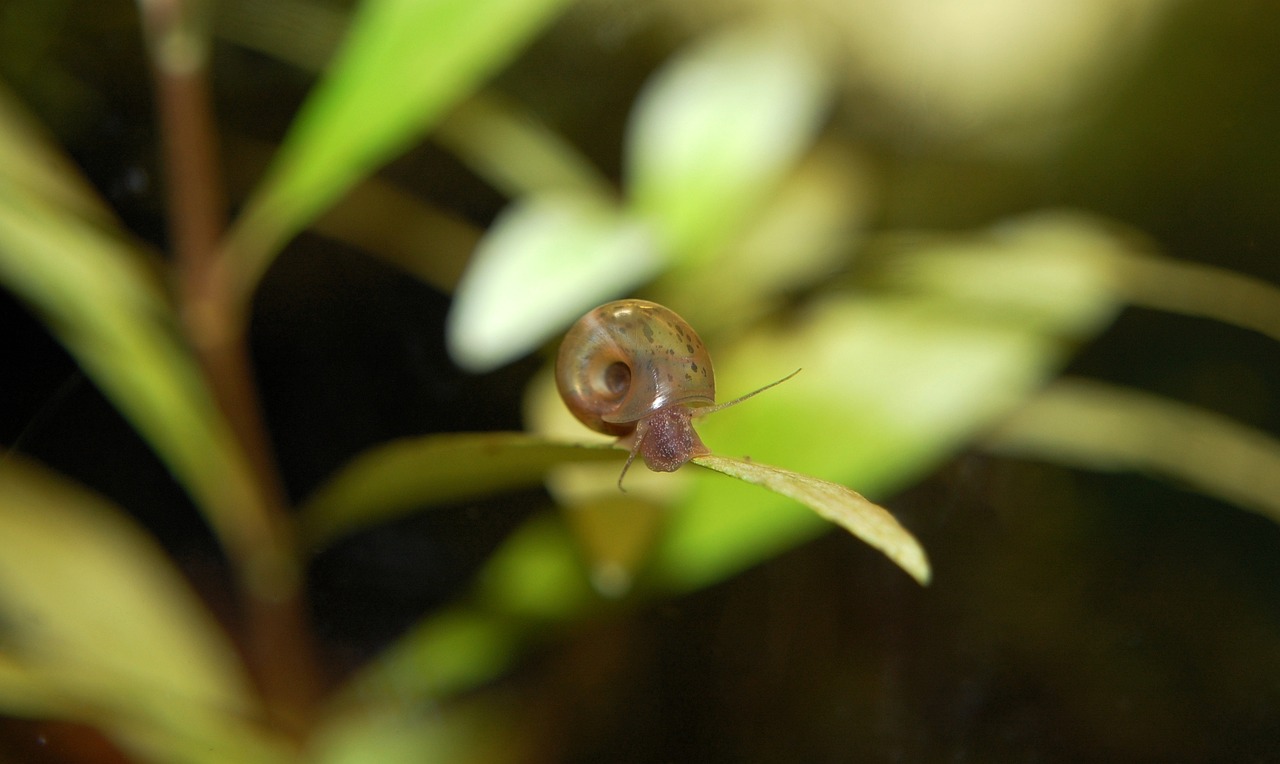
You spot them one morning — translucent jelly blobs on your tank glass, tiny white clusters tucked under plant leaves, or hard calcified pouches stuck to driftwood. Snail egg invasions are among the most common nuisances in planted aquariums, and in Singapore’s warm climate they multiply fast. This remove snail eggs aquarium glass guide from Gensou Aquascaping at 5 Everton Park, Singapore, covers identification, safe removal techniques, and long-term population control.
Identifying Common Snail Eggs
Bladder snails and pond snails lay small, clear jelly-like sacs containing 10-40 eggs each, usually stuck to glass, plant leaves, or hardscape. Ramshorn snails deposit flat, circular jelly masses that are slightly more opaque. Malaysian trumpet snails are livebearers and produce no visible eggs — if you are finding them multiplying, you will not find eggs to remove. Nerite snails lay hard, white sesame-seed-like capsules on hard surfaces; these are unsightly but will not hatch in freshwater.
Manual Removal From Glass
The simplest approach: scrape eggs off glass walls with a razor blade or algae scraper before they hatch. Fresh egg sacs come off easily when they are only a day or two old. A standard aquarium glass scraper with a blade edge works perfectly — press firmly and slide in one direction. For acrylic tanks, use a plastic blade or credit card to avoid scratching. Remove scraped material with a fine net or siphon immediately, as loose eggs can still hatch if they settle on the substrate.
Removing Eggs From Plants
Egg sacs on plant leaves require a gentler approach. Pinch the jelly mass off with your fingers or use blunt-tipped tweezers. For stem plants, inspect new purchases carefully before planting — this is how most snail infestations start. A preventive dip in a weak potassium permanganate solution (light pink colour, 10-minute soak) or alum solution (1 tablespoon per litre, 2-3 hour soak) kills eggs on new plants without damaging most species. Rinse thoroughly before adding plants to the tank.
Dealing With Nerite Egg Deposits
Nerite snail eggs deserve special mention because they will not hatch in freshwater but are notoriously difficult to remove. The hard, white capsules bond tightly to glass, wood, and stone. A razor blade removes them from glass, but scraping them off driftwood or porous rock often damages the surface. Some hobbyists accept them as a minor aesthetic trade-off for the nerite’s excellent algae-eating service. Others limit nerite numbers to reduce egg density — two nerites per 40 litres is usually sufficient for algae control.
Biological Control Methods
Certain fish eagerly eat snail eggs. Dwarf chain loaches (Ambastaia sidthimunki) and clown loaches actively hunt snails and consume eggs. For smaller tanks, assassin snails (Clea helena) prey on pest snails and their egg masses, available locally for $2-4 SGD each. A group of three to four assassin snails in a 60-litre tank gradually reduces bladder and ramshorn populations without chemical intervention. Note that assassin snails breed slowly, so they rarely become a nuisance themselves.
Chemical-Free Population Control
Overfeeding is the primary driver of snail explosions. Reduce feeding quantities, remove uneaten food within two hours, and snail populations typically crash within a month as their food source diminishes. Trapping works too: place a piece of blanched zucchini or cucumber on a small dish in the tank at lights-out, then remove it in the morning with dozens of snails attached. Repeating this nightly for a week makes a dramatic dent in the population.
Prevention Going Forward
Quarantine every new plant for at least a week in a separate container. Tissue-culture plants from sealed cups are guaranteed snail-free and worth the small premium, typically $6-10 SGD at local shops. Inspect hardscape purchases for egg masses hiding in crevices. If you introduce floating plants, rinse root masses thoroughly — bladder snail eggs frequently hitchhike in tangled roots. A consistent quarantine habit eliminates the constant battle to remove snail eggs from your aquarium before they become an established population.
When Snails Are Actually Useful
Not all snails are pests. Malaysian trumpet snails aerate substrate and prevent gas pockets. Nerites are outstanding algae cleaners. Even bladder snails consume decaying plant matter and leftover food. Before waging total war, consider whether a controlled snail population might actually benefit your tank. The goal is management, not eradication — a few snails in a balanced planted tank are often a sign of a healthy ecosystem rather than a problem requiring intervention.
Related Reading



