
Aquarium Snail Infestation Control: Assassins, Manual, Dip Methods
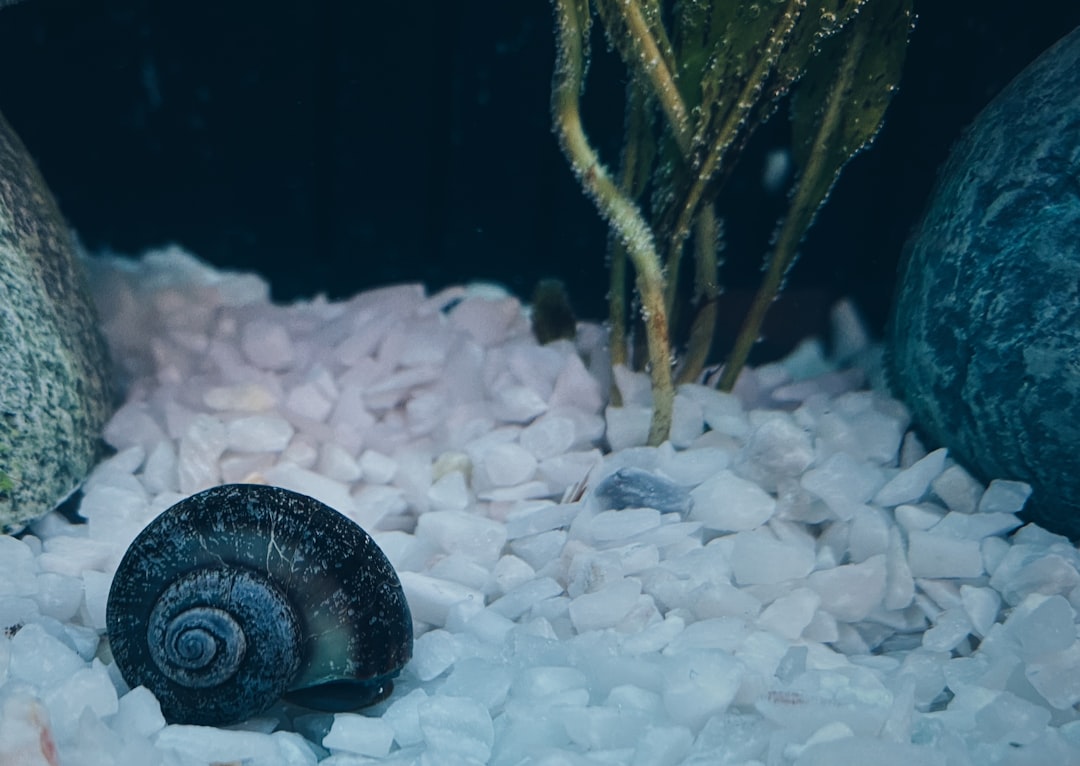
Bladder, ramshorn, and pond snails multiply from a single hitchhiker into hundreds within weeks given uneaten food and healthy plant matter. Effective aquarium snail infestation control combines reducing the food source with active removal — chemical snail-killers exist but cause more problems than they solve. This guide from Gensou Aquascaping at 5 Everton Park ranks the methods by effectiveness, cost, and time, for Singapore tanks where snails arrive on every plant shipment.
Quick Facts
- Pest snails double every 2 to 3 weeks in a well-fed tank
- Assassin snails Anentome helena eliminate populations in 4 to 8 weeks
- Manual removal plus reduced feeding works without additional livestock
- Alum or bleach plant dips kill snails and eggs before plants enter the tank
- Copper-based snail killers are toxic to shrimp and invertebrates — avoid in mixed tanks
- Loaches eat snails but grow too large for most community tanks
- Singapore plant shops often do not quarantine — assume every new plant carries eggs
Why Snails Explode in Some Tanks
Snail populations track food supply. In a tank with visible algae, leftover flake, and decaying plant leaves, bladder snails (Physella acuta) can reach 200 individuals in a 60-litre tank within eight weeks. Reduce the food and the population crashes within a month. This is the fundamental principle most keepers miss — you cannot kill your way out, you have to starve them.
Feed only what fish consume in 60 seconds. Remove uneaten food after five minutes. Trim decaying leaves weekly. Vacuum substrate monthly. These four habits alone halve most infestations without any other action.
Assassin Snails: The Biological Option
Anentome helena, the assassin snail, feeds on other snails. Five to ten individuals in a 60-litre tank clear a heavy bladder snail infestation in 4 to 8 weeks. They cost $2 to $4 each at Serangoon North and C328 shops. They breed slowly and do not become pests themselves — clutches of 2 to 4 eggs, hatching time 4 to 8 weeks. Once prey runs out, they slow down and will accept blanched vegetables and frozen bloodworms.
They do eat shrimplets in shrimp-only tanks, so avoid assassins in Caridina breeding setups. For community tanks with fish and adult shrimp, they are largely compatible.
Manual Removal Techniques
A blanched cucumber slice or zucchini round placed on the substrate overnight attracts dozens of snails. Lift the slice and snails in the morning and discard. Repeat every 2 to 3 days for a month. This removes the most accessible part of the population quickly.
Squashing snails on the glass and letting fish eat them works for surface-cruising adults but misses substrate-dwelling juveniles and eggs. Combining squashing with the cucumber trap knocks populations down by 80 percent in three weeks.
Plant Dips Before Introduction
Alum dip: 1 tablespoon of alum powder per 4 litres of water, soak plants for 2 to 3 hours, rinse thoroughly. This kills snails and most eggs without harming plants. Alum is available at Indian grocery stores and pharmacies at $3 to $5 per packet.
Bleach dip: 1 part household bleach to 19 parts water, dip plants for 90 seconds, rinse in heavily dechlorinated water for 5 minutes. Effective but harsher — skip on delicate stems like Ludwigia pantanal or Tonina belem. Hydrogen peroxide at 3 percent undiluted, dipping for 3 minutes, is a gentler alternative.
Loaches: Effective but Demanding
Yoyo loaches, clown loaches, and zebra loaches eat snails voraciously. Clown loaches reach 30 cm and need tanks over 300 litres long-term. Yoyo loaches stay around 12 cm and work in 150-litre tanks. Both are active shoaling fish needing at least five individuals. They eat snails of all sizes, including unwanted nerites and mystery snails — factor this in before adding them to a tank with pet snails.
Dwarf chain loaches (Ambastaia sidthimunki) at 6 cm suit 100-litre tanks and eat small snails but leave adults alone.
What Not to Use
Copper-based snail treatments like No Planaria or some commercial snail-killers kill every invertebrate in the tank, including shrimp, snails you want, and certain plants. Even after water changes, copper persists in substrate and wood for weeks. Reserve these only for snail-only tanks you are resetting.
Fenbendazole (Panacur) kills planaria and hydra but does not reliably kill snails. It does kill shrimp at high doses. Not the tool for this job.
Keeping Snail-Free Long Term
Quarantine plants for two weeks in a spare tub with strong light. Snail eggs hatch in that window and can be removed before the plant enters the display tank. Inspect new plants under bright light for gelatinous egg clusters on leaf undersides and in leaf axils.
If starting fresh, sterile tissue-culture plants from shops like Tropica are snail-free out of the cup. They cost 30 to 50 percent more than potted equivalents but save you the ongoing fight. Pair with assassin snails as ongoing insurance against any hitchhikers that slip through.
When Snails Are Beneficial
Malaysian trumpet snails aerate substrate and eat detritus without damaging plants. A small population — 20 to 50 individuals — is useful, not a pest. Ramshorn snails eat biofilm and are generally harmless though visually messier. Bladder snails reproduce fastest and cause the most infestations. Learn to identify the species before you declare war — some populations are doing useful work.
Related Reading
Assassin Snail vs Pest Snails Guide
How to Get Rid of Pest Snails Aquarium
How to Dip Aquarium Plants
How to Prevent Snail Infestation Planted Tank
Malaysian Trumpet Snail Pros and Cons



