
Assassin Snail Care Guide: The Pest Snail Predator
When bladder snails and Malaysian trumpet snails have colonised every surface in your planted tank, reaching for chemical treatments is tempting but risky. A more elegant solution sits in the tanks of most Singapore fish shops: the assassin snail, Clea helena. This assassin snail care guide explains how this striking predatory snail works as biological pest control, based on two decades of hands-on invertebrate keeping at Gensou Aquascaping, 5 Everton Park, Singapore. This guide sits inside our broader Tropical Fish Species Master Index reference.
Identifying Assassin Snails
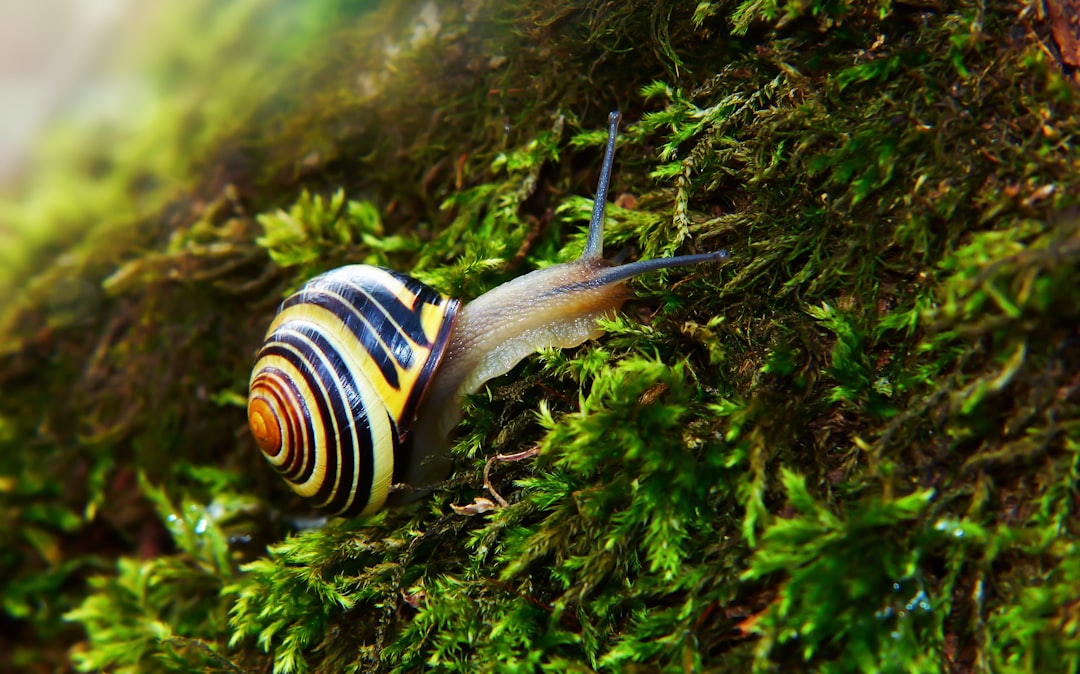
Assassin snails are native to Southeast Asia, including parts of Indonesia and Malaysia, making them well adapted to tropical conditions. They reach 2 to 3 cm in shell length and display a distinctive conical shell with alternating chocolate-brown and golden-yellow bands. The shell shape is elongated compared to the rounded profiles of pond or ramshorn snails. A short siphon protrudes from the front, which the snail uses to detect chemical traces left by prey. At SGD 2 to SGD 4 each, they are an affordable and reusable form of pest management.
How Assassin Snails Hunt
Despite their dramatic name, assassin snails are ambush predators with a methodical approach. They burrow into fine substrate, sometimes disappearing entirely, and wait for smaller snails to pass overhead. The assassin then extends its proboscis, pierces the prey’s soft tissue, and feeds. A single assassin may take one to two days to consume a bladder snail completely before hunting again. They do not pursue prey actively across the tank; instead, they rely on scent detection and patience.
This feeding rate means you need realistic expectations. Three to five assassins in a 60-litre tank will gradually reduce a pest snail population over several weeks, not overnight. For heavily infested tanks of 100 litres or more, a group of eight to ten makes a noticeable difference within a month.
Tank Setup and Water Parameters
A sandy or fine gravel substrate is ideal because assassin snails spend much of their time burrowed just beneath the surface. Coarse substrates make burrowing difficult and can stress them. They appreciate tanks with moderate planting and hardscape that provides hiding spots, though they are not fussy about aquascaping style.
Temperature should sit between 22 and 28 degrees Celsius. Singapore’s ambient conditions of 28 to 32 degrees are on the warm side, but assassin snails handle this well provided dissolved oxygen remains adequate. Maintain pH between 6.5 and 8.0 and GH above 4. As with all snails, our local PUB tap water at GH 2 to 4 benefits from mineral supplementation. Crushed coral or a GH booster protects shell integrity over the long term. Always dechlorinate tap water, as PUB uses chloramine rather than chlorine.
Diet Beyond Pest Snails
Once the pest snail population has been decimated, a common concern is whether assassin snails will starve. They are opportunistic feeders and readily accept protein-rich sinking foods such as frozen bloodworms, shrimp pellets, and high-quality carnivore wafers. They will also scavenge dead fish and uneaten food from the substrate. In a well-maintained community tank, assassin snails rarely go hungry even without pest snails to hunt.
A frequent question at our shop is whether assassins will target ornamental snails. The answer is nuanced. They generally avoid snails of equal or larger size, so adult nerites and mystery snails are usually safe. However, juvenile mystery snails and small nerites may occasionally be taken, so exercise caution if you keep both.
Breeding Assassin Snails
Assassin snails are gonochoristic, meaning you need both males and females. Unfortunately, external sexing is virtually impossible. Keep a group of at least six to ensure you have both sexes. Mating involves a prolonged pairing where two snails lock together for several hours, sometimes being dragged around the tank in a slow-motion embrace.
Females lay single eggs encased in small, square-shaped transparent capsules attached to hard surfaces. Each capsule contains one embryo that hatches in four to eight weeks. The tiny juveniles immediately burrow into the substrate and are rarely seen until they reach about 1 cm. Breeding is slow, producing perhaps one egg every few days, so population explosions are not a concern. This makes the assassin snail care guide one of the few snail guides where overbreeding is genuinely not an issue.
Tank Mates and Compatibility
Assassin snails coexist peacefully with fish and most shrimp. Adult Neocaridina and Amano shrimp are too fast and too large to be at risk. However, newly hatched shrimplets that rest on the substrate could theoretically be caught, though reports of this are rare. Avoid keeping assassins with loaches or puffers that prey on snails. They also pair poorly with large crayfish.
Common Mistakes to Avoid
The biggest mistake is introducing assassin snails into a tank and then continuing to overfeed. Excess food fuels pest snail reproduction faster than assassins can eat them, creating an arms race you will lose. Reduce feeding, remove visible pest snails manually during water changes, and let the assassins handle the stragglers. Combined, these approaches resolve most infestations within six to eight weeks.
Another error is keeping assassins on aquasoil alone without mineral supplementation. Acidic, soft substrates leach minerals from shells over time. A small bag of crushed coral in the filter offsets this in Singapore setups. For anyone dealing with a pest snail problem in their HDB or condo tank, assassin snails remain the most practical biological solution available. Visit Gensou Aquascaping for healthy, locally acclimatised stock and personalised stocking advice.
Related Reading



