
Aquarium TDS Explained for Shrimp Keepers: Ideal Ranges
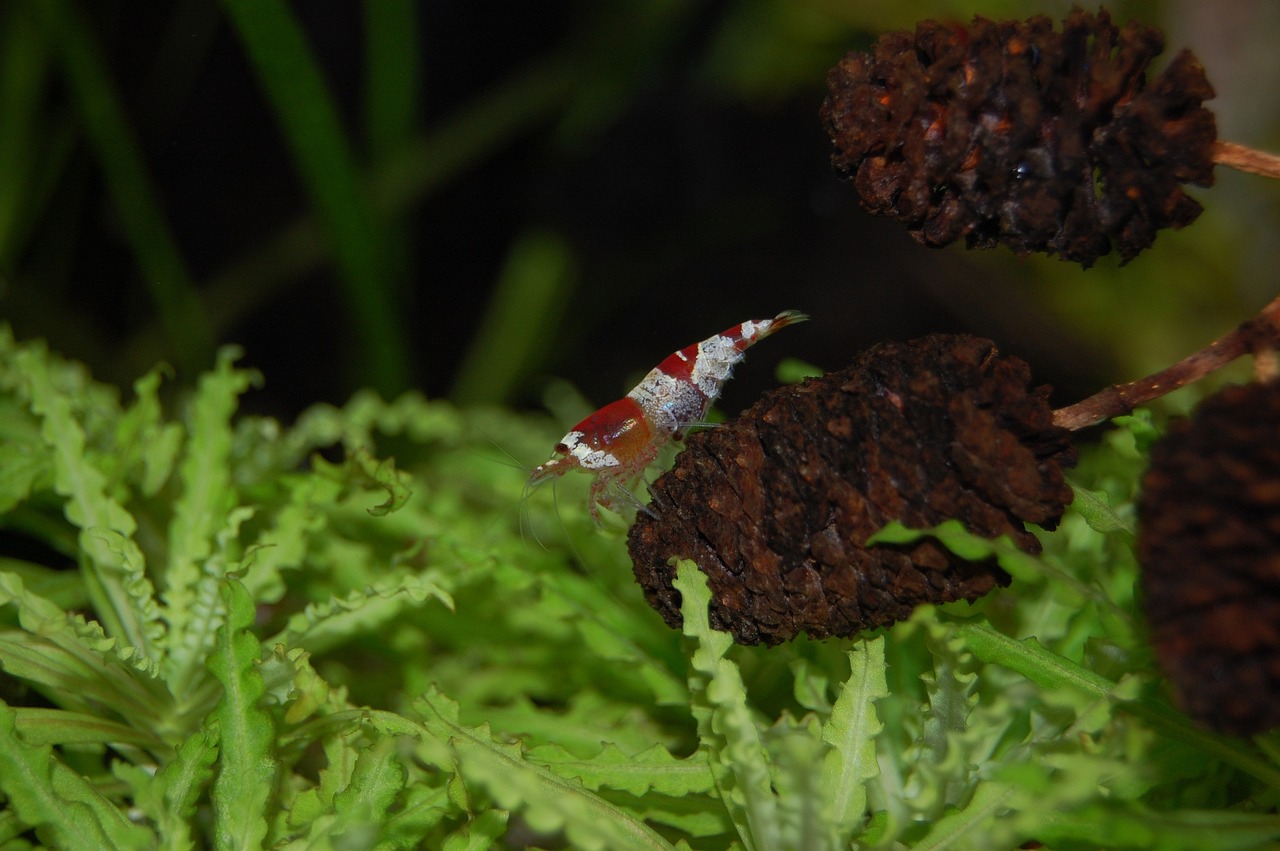
TDS is one of the most discussed yet misunderstood parameters in shrimp keeping. A single number on a meter can tell you a lot, or very little, depending on how you interpret it. This aquarium TDS explained shrimp keepers guide from Gensou Aquascaping at 5 Everton Park, Singapore cuts through the confusion and shows you how to use TDS readings effectively for healthier shrimp colonies.
What TDS Actually Measures
TDS stands for total dissolved solids. A TDS meter measures the electrical conductivity of water and converts it to a parts-per-million reading that represents the total concentration of dissolved substances, minerals, salts, metals, organic compounds and more. Crucially, a TDS meter does not tell you what those dissolved substances are. A reading of 150 ppm could mean perfectly balanced mineral water or heavily polluted water; the number alone does not distinguish between the two.
Why Shrimp Keepers Care About TDS
Freshwater shrimp are sensitive to osmotic pressure. Sudden changes in TDS can cause moulting failures, stress and death. Consistent TDS ensures the shrimp’s internal fluid balance remains stable. Monitoring TDS also helps detect problems: a rising reading between water changes indicates waste accumulation, overfertilisation or evaporation concentrating dissolved solids. A dropping reading after a water change confirms you are diluting pollutants effectively.
Ideal TDS Ranges by Species
For Neocaridina species (cherry shrimp, blue dream, green jade and similar), a TDS range of 150 to 250 ppm works well. These hardy shrimp tolerate wider swings and higher mineral content. Caridina species like Crystal Red, Crystal Black and Taiwan Bee shrimp need lower and tighter ranges: 100 to 150 ppm is the target for most keepers. Going below 80 ppm risks mineral deficiency, while exceeding 200 ppm in a Caridina tank often triggers moulting issues.
Singapore Tap Water TDS
PUB tap water in Singapore typically reads between 30 and 80 ppm TDS, varying by reservoir source and season. After dechlorination, this is within range for Caridina setups with only light remineralisation needed. For Neocaridina, adding a GH/KH remineraliser to bring TDS up to 150 to 200 ppm is standard practice. Measure your tap water weekly; Singapore’s supply is consistent but does fluctuate slightly throughout the year.
How to Measure TDS Correctly
Invest in a decent TDS pen meter; reliable models cost $10 to $25 on Shopee or Lazada. Calibrate it monthly using a 342 ppm calibration solution. Measure tank water by dipping the probe 2 to 3 cm below the surface, away from the filter outlet, and wait for the reading to stabilise. Take readings at the same time relative to your water change schedule for consistent tracking. Record measurements in a log so you can spot trends over weeks and months.
TDS Creep Between Water Changes
In a healthy shrimp tank, TDS naturally rises between water changes due to food waste, shrimp waste and evaporation. A rise of 10 to 20 ppm per week is normal. If TDS climbs more than 30 ppm in a week, you are likely overfeeding or your tank is overstocked. Top off evaporated water with pure RO water (0 TDS) to prevent concentration creep. When performing water changes, match the replacement water’s TDS to the target range before adding it to the tank.
TDS and Remineralisation
When using RO water for Caridina shrimp, remineralise with a product like SaltyShrimp GH+ to the desired TDS before adding it to the tank. Mix the mineral powder into a bucket of RO water, stir and wait five minutes for the reading to stabilise. For a target of 120 ppm, you typically need roughly one scoop per 10 litres, but always verify with your meter since product concentration varies between batches. Never add dry mineral powder directly to a tank containing shrimp.
When TDS Is Not the Problem
A perfect TDS number does not guarantee healthy water. If your shrimp are dying despite a textbook TDS reading, test for ammonia, nitrite, copper and pH separately. A tank with 0 ppm ammonia and 150 ppm TDS from balanced minerals is healthy; a tank with the same TDS driven by accumulated nitrate and organic waste is not. Use TDS as one tool in your monitoring toolkit, not the only one. Pair it with GH, KH and pH testing for the full picture of your water chemistry.
Related Reading



