
How to Condition Tap Water for Shrimp Breeding Tanks
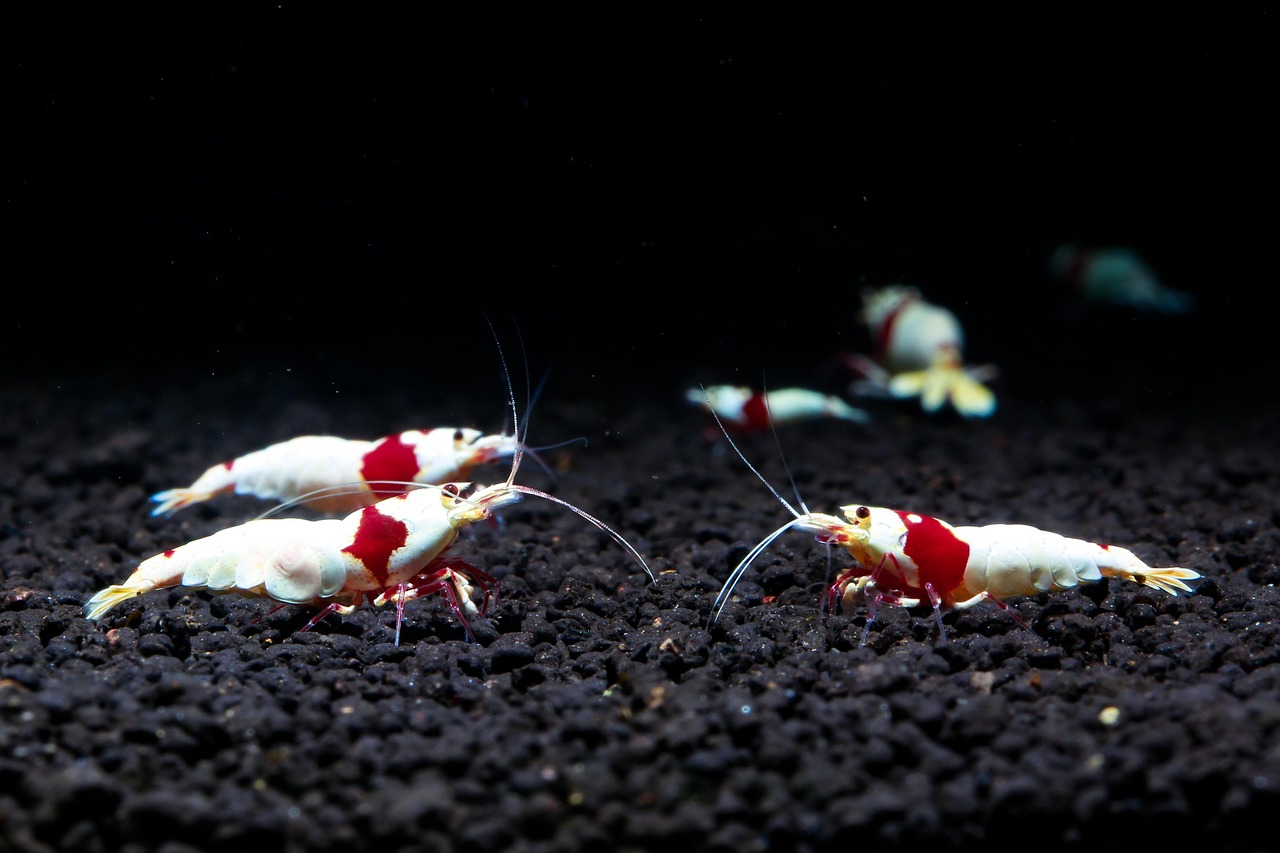
Shrimp are far more sensitive to water chemistry than most tropical fish, and a single misstep during water changes can wipe out an entire colony overnight. If you plan to condition water for your shrimp breeding tank, understanding what comes out of your tap is the essential first step. This guide from Gensou Aquascaping at 5 Everton Park, Singapore draws on over 20 years of hands-on experience to walk you through a reliable conditioning process from tap to tank.
Why Shrimp Demand Pristine Water Preparation
Unlike hardy community fish, Caridina and Neocaridina shrimp react to trace amounts of chloramine, heavy metals and sudden parameter swings. A shift of just 1-2 degrees in GH or a TDS spike of 30 ppm can trigger failed moults, stress and even death in berried females. Proper conditioning eliminates these risks before new water ever touches your colony.
Understanding Singapore Tap Water
PUB tap water in Singapore is soft, with a GH of roughly 2-4 and a slightly acidic to neutral pH around 6.5-7.5. It is treated with chloramine rather than free chlorine, which means leaving a bucket out overnight will not make it safe. You need a dechlorinator that specifically neutralises chloramine, such as Seachem Prime or SL-Aqua Purifier. Dose accurately using the cap markings rather than guessing.
Choosing the Right Remineraliser
For Caridina species like Crystal Red or Taiwan Bee shrimp, you will typically remineralise RO or distilled water to a target TDS of 100-130 ppm using a GH-only product like Salty Shrimp GH+. Neocaridina breeders can work directly with treated tap water or use Salty Shrimp GH/KH+ to reach a TDS of 180-250 ppm. Always dissolve the mineral powder in a separate bucket and measure with a TDS pen before adding to the tank. A reliable TDS meter costs around $15-25 on Shopee or Lazada.
The Ageing and Aeration Method
Many experienced shrimp keepers age their water for 24-48 hours in a dedicated container with an airstone running. Aeration drives off dissolved gases, stabilises pH, and allows you to verify parameters before the water goes anywhere near your shrimp. Keep the container covered to prevent dust and mosquito larvae, especially in humid Singapore conditions. This extra day of patience pays for itself in colony survival rates.
Temperature Matching Before Water Changes
Shrimp breeding tanks in Singapore typically sit at 24-26 °C when a fan or small chiller is used. Match your conditioned water to within 1 °C of the tank temperature before adding it. A simple aquarium thermometer in both the tank and the ageing bucket does the job. Drip the new water in slowly at a rate of about one to two litres per minute to avoid parameter shock, particularly for sensitive Caridina lines.
How Much Water to Change and How Often
Small, frequent changes are safer than large infrequent ones. Aim for 10-15 % once a week in a well-stocked breeding tank. If your TDS creeps above target between changes, a mid-week top-up with pure RO water brings it back down without altering mineral ratios. Track your TDS readings in a simple notebook or phone app so you can spot trends over time.
Conditioning Water for Shrimp Breeding Racks
Breeders running multi-tank rack systems benefit from a central water-conditioning barrel. A 60-litre storage container with a ball valve at the bottom, an airstone, and pre-mixed remineralised water saves hours each week. Prepare a full barrel the day before water-change day, confirm TDS and temperature, then drip into each tank through airline tubing with a control valve. This consistent routine is how serious breeders in Singapore maintain dozens of lines without losses.
Common Mistakes to Avoid
Skipping dechlorination because the water “smells fine” is the most frequent beginner error. Chloramine is odourless at tap concentrations yet lethal to shrimp. Another common mistake is remineralising water inside the tank itself, which creates localised pockets of high TDS that stress nearby shrimp. Always mix outside the tank. Finally, avoid using hot water from your tap to temperature-match, as hot-water pipes can leach copper, a toxin that kills invertebrates at very low concentrations.
Related Reading



