
Trace Element Dosing in Planted Aquariums: Boron, Zinc and More
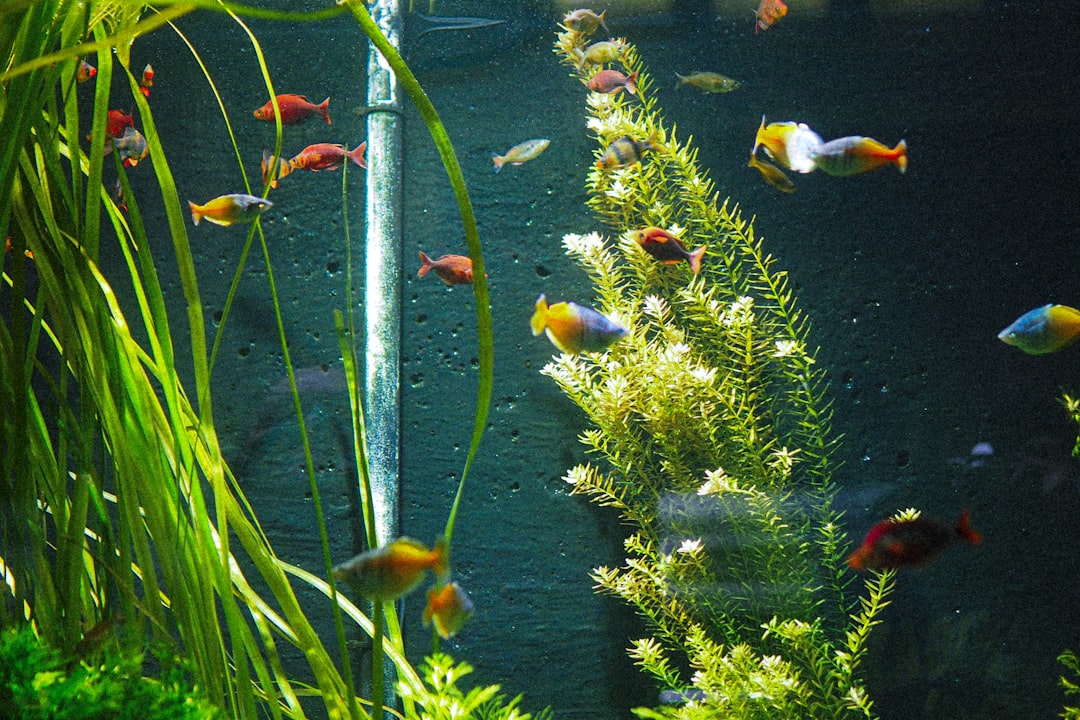
Most planted tank keepers dose macronutrients religiously but treat trace elements as an afterthought, often bundled into a mystery all-in-one solution. Understanding trace element dosing planted aquarium requirements can mean the difference between plants that merely survive and plants that display vibrant colour, strong cell structure, and resistance to algae. This guide from Gensou Aquascaping at 5 Everton Park, Singapore, breaks down the key micronutrients, their roles, and how to dose them effectively.
Why Trace Elements Matter
Trace elements, also called micronutrients, are needed in tiny quantities but are essential for enzymatic processes, chlorophyll production, and cell division. Deficiencies manifest as distorted new growth, chlorosis (yellowing between leaf veins), stunted tips, and poor root development. Because these symptoms overlap with macronutrient issues and algae-related stress, trace deficiencies are frequently misdiagnosed. A systematic dosing approach prevents most problems before they start.
Iron: The Star Micronutrient
Iron (Fe) is the most demanded trace element in planted tanks and the one most likely to become limiting. It drives chlorophyll synthesis and is consumed rapidly by red plants in particular. Target 0.05-0.1 ppm of chelated iron in the water column. Chelated forms like DTPA and EDTA remain plant-available longer in the pH ranges typical of planted aquariums (pH 6.0-7.5). Singapore’s slightly acidic tap water suits EDTA-chelated iron well. Dose iron two to three times per week, ideally after lights-on when photosynthesis is active.
Boron: Quiet but Critical
Boron (B) supports cell wall integrity and calcium transport within plants. Deficiency causes brittle, distorted new growth and dying shoot tips. Most all-in-one fertilisers include boron, but if you mix your own solutions, ensure boric acid is part of the recipe. A target concentration of 0.01-0.05 ppm is sufficient. Overdosing boron is toxic to plants and shrimp at relatively low concentrations, so precision matters more with this element than most.
Zinc: Growth Regulator
Zinc (Zn) plays a role in auxin production, the hormone that drives stem elongation and leaf expansion. Deficient plants produce small, narrowed leaves and shortened internodes. Target 0.005-0.02 ppm. Zinc sulphate is the most common source in DIY fertiliser recipes. Like boron, zinc is toxic in excess, particularly to invertebrates. Shrimp keepers should stay at the lower end of the dosing range and test periodically with an ICP analysis if available.
Manganese, Copper, and Molybdenum
Manganese (Mn) assists in photosynthesis and nitrogen metabolism. Deficiency mimics iron deficiency with interveinal chlorosis but affects older leaves first. Target 0.02-0.05 ppm. Copper (Cu) is essential for enzyme function in minuscule amounts (0.005-0.01 ppm) but highly toxic to invertebrates at higher concentrations. Dose copper-containing products with extreme caution in shrimp tanks. Molybdenum (Mo) enables nitrogen assimilation and is needed at just 0.001-0.005 ppm, making deficiency rare in any reasonably fertilised system.
All-in-One vs. Individual Dosing
For most hobbyists, a reputable all-in-one trace mix like Tropica Specialised, APT Complete, or Seachem Flourish provides a balanced micronutrient profile that prevents deficiency without the complexity of individual dosing. Follow the manufacturer’s recommended dose and adjust based on plant response. Advanced keepers running high-light, CO2-injected setups may benefit from supplementing iron separately, as all-in-one products often contain less iron than demanding red plants require.
Dosing Schedule and Practical Tips
Dose trace elements two to three times per week, spread across the photoperiod for steady availability. Some hobbyists prefer daily micro-dosing at one-seventh the weekly amount, which maintains more consistent concentrations. Always dose after water changes to replenish what was removed. In Singapore’s warm climate, bacterial activity is high and can break down chelated nutrients faster than in cooler tanks. If you notice deficiency symptoms despite regular dosing, try increasing frequency rather than dose size.
Diagnosing Trace Deficiencies
New growth abnormalities almost always point to trace element issues, since micronutrients are immobile in plant tissue and cannot be redirected from old leaves. Pale new leaves with green veins suggest iron deficiency. Distorted or crumbling growing tips point to boron or calcium issues. Small, narrow new leaves may indicate zinc shortage. If symptoms persist despite dosing, check your pH and substrate, as extreme values can lock out certain trace elements even when they are present in the water column.
Getting the Balance Right
Effective trace element dosing planted aquarium management is less about hitting perfect numbers and more about consistency and observation. Start with a quality all-in-one product, observe your plants over four to six weeks, and adjust one variable at a time. For help diagnosing nutrient issues or building a custom dosing regime, consult the planted tank specialists at Gensou Aquascaping.
Related Reading



