Aquascaping With Red Plants Only: Crimson Underwater Garden
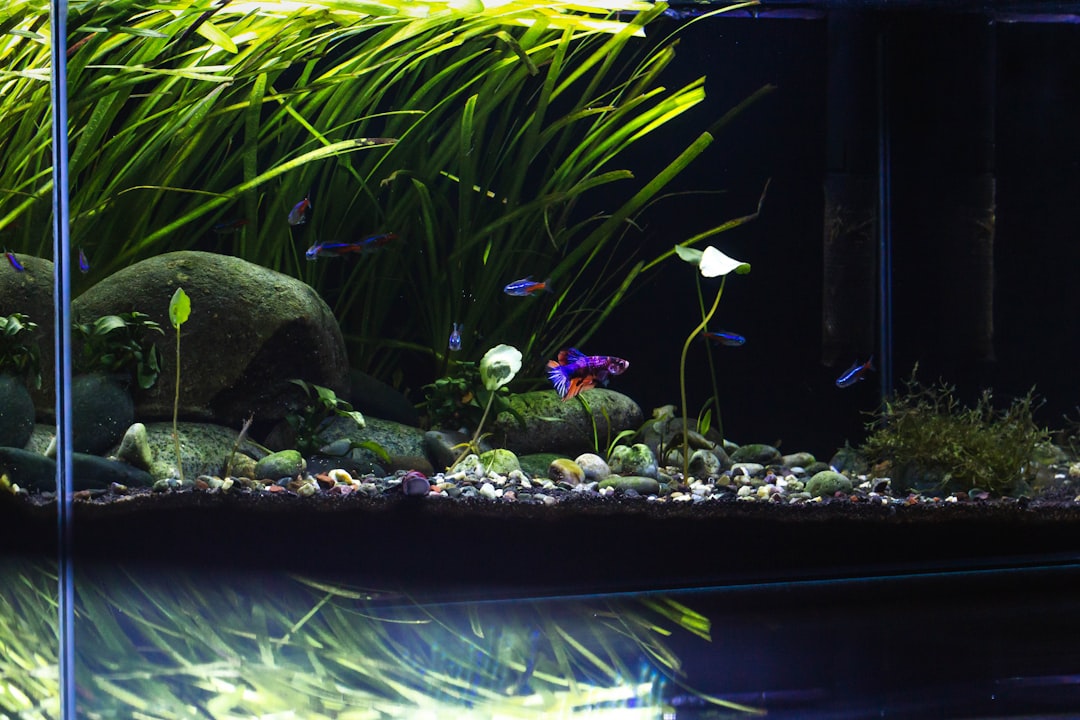
Red plant aquascapes are one of the most dramatic visual statements in the planted tank hobby — a tank full of crimson, burgundy, and copper tones against dark substrate creates an effect closer to a stained-glass window than a conventional nature aquarium. But aquascaping with red plants only demands more from your setup than a typical green-dominant tank: high light, reliable CO2 injection, and accurate macro-nutrient dosing are non-negotiable. At Gensou Aquascaping in Everton Park, Singapore, red plant tanks are a speciality, and getting them right is deeply satisfying.
Why Red Plants Need High Light
Red colouration in aquatic plants comes from anthocyanins — pigments that serve as a photoprotective response to intense light. Under low light, red plants produce more chlorophyll to capture available photons, which turns them green. To maintain deep red tones, you need a PAR of at least 80–100 µmol/m²/s at the substrate level — roughly what a quality LED pendant like the ADA Aquasky or Chihiros WRGB II delivers at 20 cm water depth. Running the photoperiod at eight to ten hours maintains colour without promoting excessive algae growth. In Singapore, ambient humidity helps CO2 injection efficiency, but evaporation from open-top tanks is also faster — factor this into your water top-up schedule.
CO2 Injection: Essential, Not Optional
Without pressurised CO2 injection, red plants will survive but won’t achieve their full potential colouration or growth rate. Target 25–30 ppm CO2 during the photoperiod — a drop checker turning lime green is a reliable visual indicator. A 1 kg CO2 cylinder with a quality regulator (Fzone, Twinstar, or Up Aqua are common choices locally) lasts approximately eight to twelve weeks on a 60 cm tank with a bubble rate of 1–2 bubbles per second. Inline diffusers produce the finest bubble size and are more efficient than glass diffusers in heavily planted tanks where surface area is limited.
Best Red Plants for a Mono-Colour Scape
Rotala macrandra is the queen of red aquatic plants — intense wine-red leaves on stems that can grow 5 cm per week under strong light and CO2. Ludwigia senegalensis (sometimes listed as Ludwigia sp. Super Red) develops an even deeper crimson than standard red ludwigia variants and is more compact. Alternanthera reineckii “Mini” provides a lower, bushy foreground-to-midground option with bright pinkish-red leaves. Ammannia gracilis offers a more orange-copper tone that adds warmth to an otherwise uniform red palette, while Nesaea crassicaulis contributes orange-red stems with interesting leaf texture contrast.
Creating Depth With Shades of Red
A monochrome red scape risks looking flat without careful management of tonal variation. Use darker, more burgundy species (like Rotala macrandra) in the background where they catch the most light from above; lighter copper-orange species (Ammannia, Nesaea) in the midground; and compact pink-red plants (Alternanthera reineckii “Mini”) as foreground accents. Hardscape — dark lava rock, black dragonstone, or deep-toned wood — provides neutral contrast that makes red tones appear more saturated. Light-coloured sand or bright substrates wash the colour out; choose dark aquasoil like ADA Amazonia or Tropica Aquarium Soil.
Fertilisation for Red Pigment
Red plants are heavy consumers of iron and potassium — both essential for anthocyanin synthesis. Dose iron (Fe) at 0.1–0.5 ppm using chelated iron supplements; Seachem Flourish Iron or Easy Iron both work well. Potassium deficiency causes pale new growth and pinholes in leaves, so maintain K at 10–20 ppm through regular dosing of potassium sulphate or a comprehensive macro supplement. The Estimative Index (EI) method of dosing — heavy weekly doses with a 50% water change to reset — suits red plant tanks well, as these plants respond quickly to nutrient availability and show deficiencies within days.
Trimming and Maintaining the Red Scape
Fast-growing red stem plants require trimming every one to two weeks to prevent the lower stems from becoming shaded and losing colour. The trim-and-replant method — cutting stems and replanting the tops — is standard for Rotala and Ludwigia. Leaving the old base in the substrate will produce new side shoots but with less colour than the replanted tops. Remove trimmed portions promptly; decomposing plant matter in a heavily planted tank can temporarily spike ammonia. Weekly 30–40% water changes are standard for high-light, high-CO2 red plant tanks to export accumulated nitrates and replenish the water column.
Fish Choices for a Red Plant Aquascape
Fish selection in a red plant scape should complement rather than compete with the colour palette. Silver, black, or blue fish provide striking contrast: Hyphessobrycon amandae (ember tetras) in copper-orange tones harmonise with the plants; schooling rummy nose tetras with their red heads and white-and-black tails create a lively focal point. Avoid entirely red fish (full red guppies, red swordtails) — they disappear into the background. Keep stocking light; dense red plant tanks have less surface area and need good circulation to maintain oxygen levels for fish.
Related Reading