
Aquarium Vacation Prep Guide: Keeping Your Tank Safe While You Travel
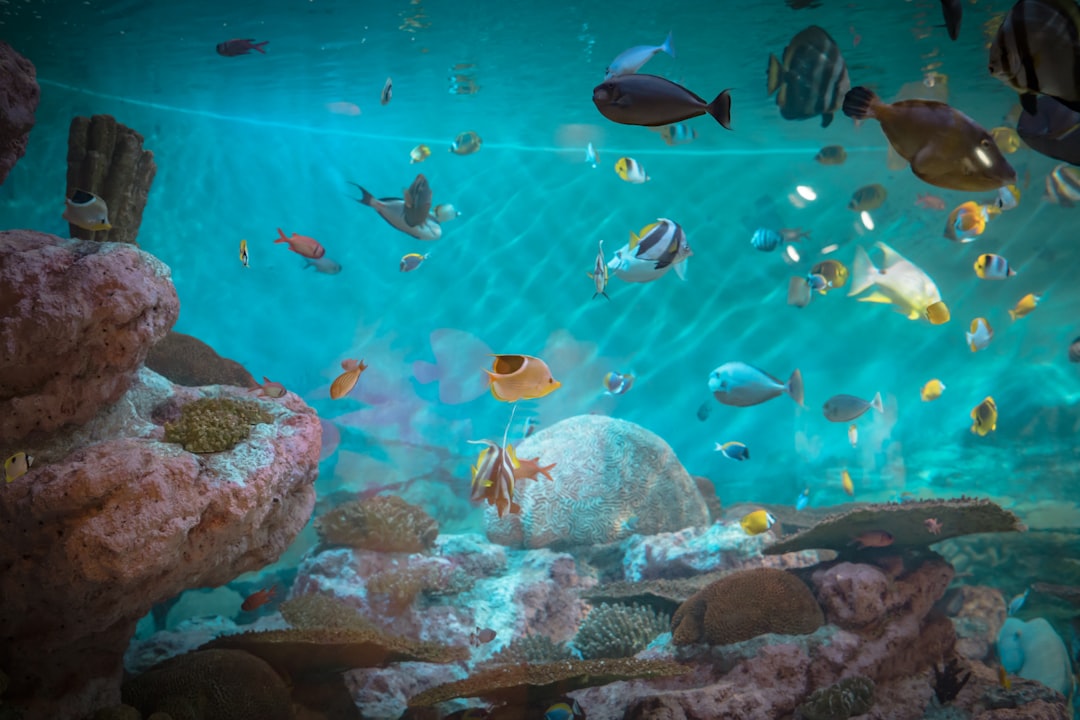
Planning a holiday should be exciting, not stressful, but for fishkeepers the question of who will look after the tank looms large. This aquarium vacation prep guide from Gensou Aquascaping, 5 Everton Park, Singapore, covers everything you need to do before leaving, whether your trip lasts a weekend or a fortnight. With over 20 years of advising clients before their travels, we have seen what works and what leads to coming home to disaster.
How Long Can Fish Go Without Feeding
Healthy adult fish handle 3-5 days without food comfortably. Most tropical species can survive up to two weeks without eating, though they will lose weight and condition. Overfeeding before departure causes more problems than slight hunger, as uneaten food decomposes, spikes ammonia, and fouls the water.
For trips of three days or fewer, simply skip feeding entirely. Your fish will be fine. It is the well-meaning friend who dumps half a tin of flakes into the tank that causes the real emergencies.
Automatic Feeders
For absences longer than five days, an automatic feeder provides measured portions on a schedule. The Eheim Everyday ($40-55) and Juwel EasyFeed ($25-35) are reliable options available locally. Load the feeder with a dry pellet or granule food and test it for several days before your departure to ensure the portion size and dispensing frequency are correct.
Set the feeder to dispense once daily, using about 60-70% of the normal daily amount. Slightly underfeeding during your absence is always safer than overfeeding. Avoid loading freeze-dried or moist foods into automatic feeders, as they clump and jam the mechanism.
Water Changes Before Departure
Perform a large water change of 40-50% the day before you leave. This resets nitrate levels and ensures the water starts as clean as possible. Clean the filter intake sponge and check that flow is unrestricted. Top up the tank to the brim to compensate for evaporation, which accelerates in Singapore’s warm, air-conditioned environment.
In a well-maintained tank, water quality remains acceptable for 2-3 weeks without a water change, especially with reduced feeding. Heavily stocked tanks may struggle beyond 10 days, so plan accordingly.
Equipment Checks
Inspect every piece of equipment before leaving. Verify the filter runs smoothly, the heater (if used) maintains temperature, and all timers function correctly. Replace any equipment that shows signs of wear. A filter impeller that occasionally stalls will inevitably fail during your absence.
Plug critical equipment (filter, heater, air pump) into a separate power strip from non-essential items (lights, CO2). If a trip switch blows, you want filtration to remain active even if the lights go down. Consider a smart plug with remote monitoring capability; several models on Shopee cost under $20 and send notifications to your phone if power is interrupted.
Lighting and CO2
Reduce your lighting period to 6 hours daily while away. Shorter photoperiods slow algae growth without harming plants significantly over a 1-2 week absence. If running pressurised CO2, you have two options: leave the system running on its normal timer with the reduced light schedule, or shut it off entirely. Plants will slow their growth without CO2 but will survive. Algae is the bigger risk if CO2 fluctuates without you there to adjust.
For trips longer than a week, turning off CO2 and reducing light is the safer choice. You can resume normal settings when you return.
Briefing a Fish Sitter
If someone is caring for your tank, make it foolproof. Pre-portion each day’s food into labelled bags or a pill organiser. Write clear, simple instructions: “Drop one bag into the tank each evening. Do not add extra.” Show them where the dechlorinator is and how to top up evaporated water. Explain that less is more, and that skipping a day of feeding is always better than overfeeding.
Resist the urge to ask them to do water changes unless they are an experienced fishkeeper. An inexperienced sitter pouring undechlorinated PUB tap water into your tank creates a worse outcome than skipping water changes entirely.
Emergency Backup Measures
A battery-powered air pump ($10-15 from any local fish shop) provides life-saving aeration during power outages. Leave one beside the tank with fresh batteries and a note for your sitter explaining when to activate it. In Singapore, power outages are rare but typically coincide with thunderstorms that also spike humidity and temperature.
For extended trips, consider asking a fellow hobbyist to check on the tank every few days. The Singapore aquarium community on forums and social media groups is generally generous with mutual support. A knowledgeable friend spotting a developing problem early can save an entire tank population.
Returning Home
When you return, resist the urge to immediately perform a massive water change and heavy feeding. Test your water parameters first. If ammonia and nitrite are zero and nitrate is under 40 ppm, a standard 30% water change and a normal feeding are all that is needed. Resume your regular maintenance schedule the following day. Your tank is likely in better shape than you feared, because well-prepared tanks are remarkably resilient.
Related Reading
- Active vs Inert Substrate: Which Is Right for Your Planted Tank?
- ADA Fertiliser System Guide: Brighty K, Green Brighty and Step Series
- Advanced Shrimp Selective Breeding: Line Breeding, Culling and Colour Fixing
- Alternanthera Reineckii Care Guide: Bold Red Without CO2
- Alternanthera Reineckii Mini Care Guide: Compact Red Carpet Plant



