Aquarium Myths That Beginners Still Believe: Debunking Bad Advice
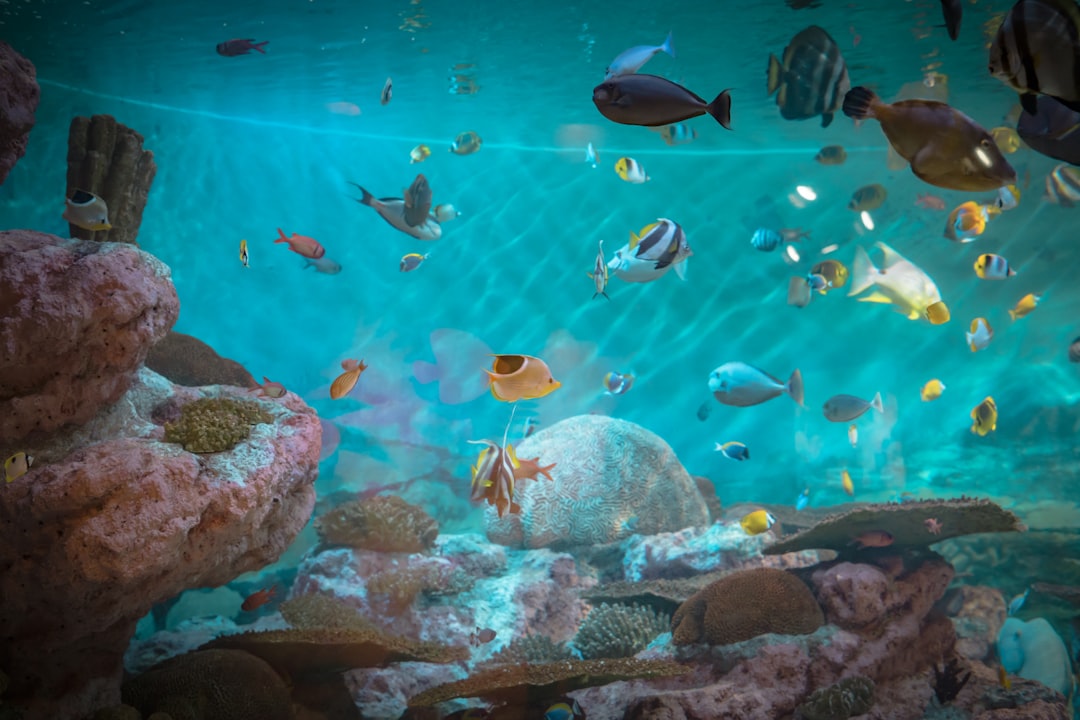
Bad advice spreads faster than good advice in the aquarium hobby, and social media has only accelerated the problem. Many aquarium myths beginners believe originate from outdated practices, oversimplified pet shop guidance, or well-meaning friends who never questioned what they were told. At Gensou Aquascaping, 5 Everton Park, Singapore, we have spent over 20 years correcting these misconceptions for customers and clients. Here are the myths that cause the most real-world harm.
A Small Tank Is Easier Than a Large One
This is perhaps the most damaging myth in the hobby. A 10-litre nano tank is significantly harder to maintain than a 100-litre setup. Smaller water volumes experience faster temperature swings, quicker ammonia spikes, and more dramatic pH shifts. A single missed water change in a nano tank can become lethal within hours.
Beginners fare better starting with at least 60-80 litres. The larger volume buffers mistakes, giving you time to notice and correct problems before fish suffer. In Singapore’s HDB flats, a 60-litre tank fits comfortably on a sturdy shelf or cabinet and weighs around 70 kg filled, well within residential floor load limits.
Fish Grow to the Size of Their Tank
This myth has caused untold suffering. Fish do not “grow to their tank size” in any healthy way. What actually happens is stunted growth caused by stress hormones, poor water quality, and inadequate swimming space. A common pleco (Hypostomus plecostomus) sold at 5 cm will attempt to grow to 30+ cm regardless of tank size. In a tank too small, it becomes deformed, stressed, and short-lived.
Always research the adult size of any species before purchasing. If you cannot house a fish at its full-grown dimensions, choose a different species.
You Should Replace All the Water Regularly
Complete water changes shock fish with sudden parameter shifts and destroy the bacterial balance your tank depends on. Weekly partial changes of 25-30% are far safer and more effective. This removes accumulated nitrate and dissolved organics while keeping temperature, pH, and hardness stable.
In Singapore, always treat replacement water with a dechlorinator that neutralises chloramine, not just chlorine. PUB water contains chloramine, which is more persistent than chlorine and lethal to both fish and beneficial bacteria.
Algae Means Your Tank Is Dirty
Algae is a natural part of every aquatic ecosystem. Some algae growth on glass, rocks, and old leaves is completely normal and indicates a biologically active tank. What matters is the type and quantity. A thin film of green algae on the back glass is harmless. Rampant hair algae or black beard algae signals a genuine imbalance in light, nutrients, or CO2.
Rather than scrubbing every trace of algae obsessively, address the underlying cause. Reduce lighting duration, increase CO2 if running a planted tank, or adjust fertiliser dosing. Algae-eating crew like Otocinclus catfish and Amano shrimp (Caridina multidentata) help manage residual growth naturally.
Filters Should Be Cleaned Thoroughly
Rinsing filter media under tap water kills the beneficial bacteria that make your filter work. Singapore’s PUB tap water contains chloramine specifically designed to kill microorganisms, which is excellent for drinking water but devastating for nitrifying bacteria. Always rinse filter sponges and ceramic media in a bucket of old tank water removed during a water change.
Replace mechanical filter floss when it clogs, but leave biological media undisturbed unless flow drops significantly. A “dirty” looking sponge covered in brown biofilm is actually a perfectly functioning biological filter.
Goldfish Are Beginner Fish
Goldfish are among the most demanding freshwater species to keep properly. They produce enormous amounts of waste, require cool water below 24°C (nearly impossible without a chiller in Singapore), and grow to 20-30 cm depending on the variety. A single fancy goldfish needs at least 75 litres, with an additional 40 litres per extra fish.
For Singapore beginners, tropical species like guppies, platies, and endlers are far more suitable. They thrive in our warm ambient temperatures without a heater and tolerate minor parameter fluctuations that would stress coldwater species.
You Can Add Fish Immediately After Setting Up
New tank syndrome kills more fish than any disease. A freshly filled tank has zero beneficial bacteria to process ammonia from fish waste. Adding fish immediately exposes them to toxic ammonia buildup that peaks within the first week. Fishless cycling with bottled ammonia or bacteria products takes 2-4 weeks but establishes the biological filter before any livestock enters the tank.
Patience at this stage prevents the heartbreaking cycle of buying fish, watching them die, and wondering what went wrong.
Expensive Equipment Guarantees Success
A $500 light fixture and a premium canister filter cannot compensate for inconsistent maintenance, overfeeding, or overstocking. The most successful tanks we have seen over two decades run on mid-range equipment operated by attentive owners who test water weekly, perform regular water changes, and research their species thoroughly. Good habits outperform expensive gear every single time.
Related Reading
- 10 Advanced Aquarium Myths Even Experienced Hobbyists Believe
- 15 Aquarium Myths Debunked: Stop Believing These
- Common Aquarium Myths Debunked: Goldfish Bowls, Blue Light and More
- Saltwater Aquarium Myths Debunked: What New Reefers Get Wrong
- AGA Aquascaping Contest Guide: Categories, Rules and Judging Criteria