
Aquarium Zooplankton Glossary Guide: Daphnia Copepod Rotifer Roles
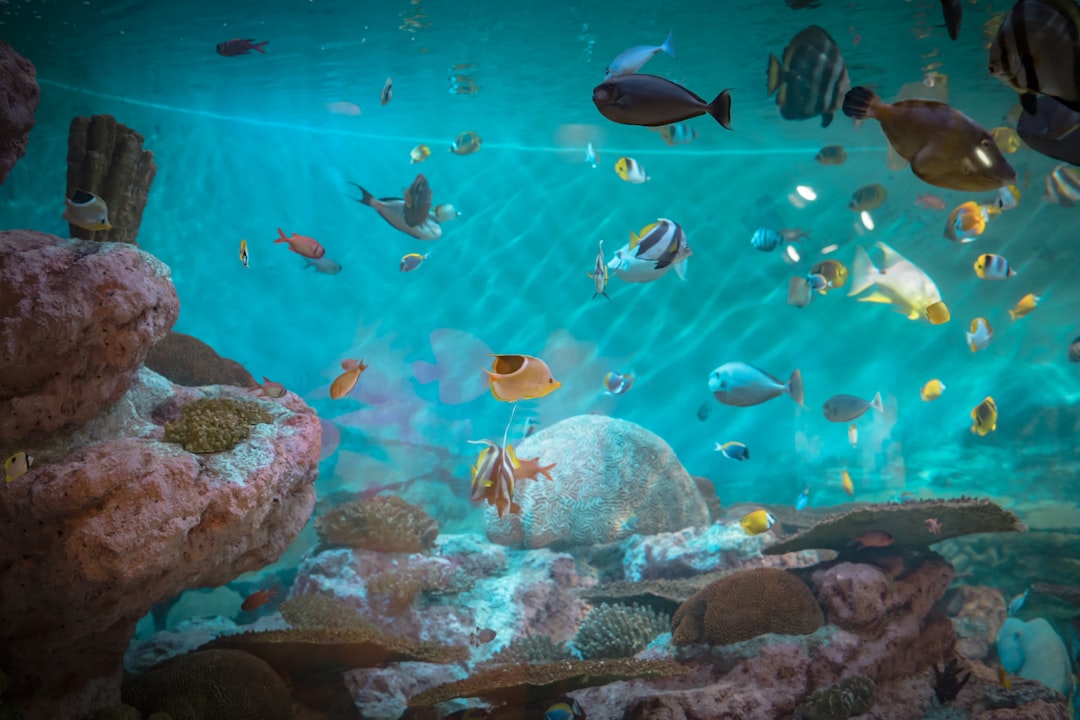
Aquarium zooplankton explained in fifty words: zooplankton are microscopic free-swimming animals — daphnia, copepods and rotifers being the staple genera — that filter-feed phytoplankton and bacteria, then become live food for fish fry, juveniles and planktivores. Each genus differs in size, swimming pattern and nutritional profile. The aquarium zooplankton explained properly covers culture techniques, feeding decisions and live-versus-frozen trade-offs, and this guide from Gensou Aquascaping at 5 Everton Park breaks each down with practical numbers.
Daphnia: The Water Flea
Daphnia magna and Daphnia pulex sit at 1-3 mm adult size and are the largest commonly cultured zooplankton in the hobby. They jerk through the water in a hopping pattern that triggers a strong feeding response in tetras, rasboras and gourami juveniles. Nutritionally daphnia carry 50 per cent protein and act as a natural laxative due to their chitinous shell, which is why they are the standard treatment for swim bladder issues.
Copepods: The Reef Tank Staple
Copepods (orders Cyclopoida, Calanoida, Harpacticoida) sit at 0.5-2 mm and dominate marine zooplankton cultures. Calanoid species swim in the water column and feed pelagic fish; harpacticoids crawl on rock and feed mandarin dragonets and other slow-feeding species. Tigriopus and Tisbe are the two most-stocked genera in Singapore reef shops. Copepod cultures need green water (phytoplankton) as their feedstock.
Rotifers: For the Smallest Fry
Rotifers (genus Brachionus) measure 100-300 microns — small enough for marine clownfish fry, mandarin fry and freshwater rainbowfish first-feeders. They reproduce parthenogenetically and culture density can hit 1000 per ml under optimal feeding. Unlike daphnia, rotifers tolerate marine salinity (S-strain) or brackish (L-strain) and are a marine-breeding bottleneck.
Why Live Beats Frozen for Fry
Fry feeding response is triggered by movement. Frozen daphnia drift inertly and many fry ignore them entirely until day-old. Live zooplankton swim continuously, hitting predator triggers across the entire water column. Live cultures also retain their full enzyme load and gut bacteria, which seed the fry’s developing digestive tract — frozen lacks both.
When Frozen Makes Sense
For grown fish in display tanks, frozen daphnia and copepods are convenient, biosecure and shelf-stable. The fish food range at Gensou includes Hikari frozen cubes that defrost in seconds. Reef-style products like Reef Roids and Polyplab Reef-Roids deliver a copepod-and-rotifer mix targeted at LPS corals, sun corals and zoanthids. These are not interchangeable with live cultures for breeding work.
Setting Up a Daphnia Culture
Use a 20-30 litre bucket with gentle aeration, no filter, and 22-26°C ambient. Inoculate with 100-200 starter daphnia and feed daily with green water (cultured Chlorella or Nannochloropsis) until water clears. Harvest one-third every three days using a 150-micron sieve. Singapore HDB ambient at 28-31°C runs hot for daphnia — culture in an air-conditioned spare room or accept slower reproduction.
Copepod and Rotifer Cultures
Copepod cultures need a 10-20 litre vessel with constant phytoplankton dosing. Tigriopus tolerates wide salinity (15-35 ppt) and temperature swings. Rotifers reproduce fastest at 25-28°C with daily phyto. Both cultures crash hard if phytoplankton runs out for 48 hours, so keep two phyto cultures rotating. Read our DIY vinegar eel culture guide for an even smaller fry food alternative.
Comparing Live vs Frozen vs Dry
Live zooplankton wins on feeding response and fry survival but demands daily culture maintenance. Frozen captures 80 per cent of nutrition, simplifies storage and suits display tanks. Dry zooplankton powder (such as freeze-dried daphnia or copepod) loses most enzyme activity and fatty acid profile but works as a backup for travel days. Rotate all three for adult fish; stick with live for fry under day 14.
Singapore Local Sourcing
Live daphnia is sold by hobbyist breeders on Carousell at SGD 5-8 per cup of starter culture. Frozen daphnia, brine shrimp and copepods are stocked at Gensou and most Thomson and C328 shops in 100 g blister packs. Reef-grade copepod bottles (Tigriopus or Tisbe) run SGD 25-40 per 240 ml.
Related Reading



