
How to Aquascape a Community Garden Pond in Singapore
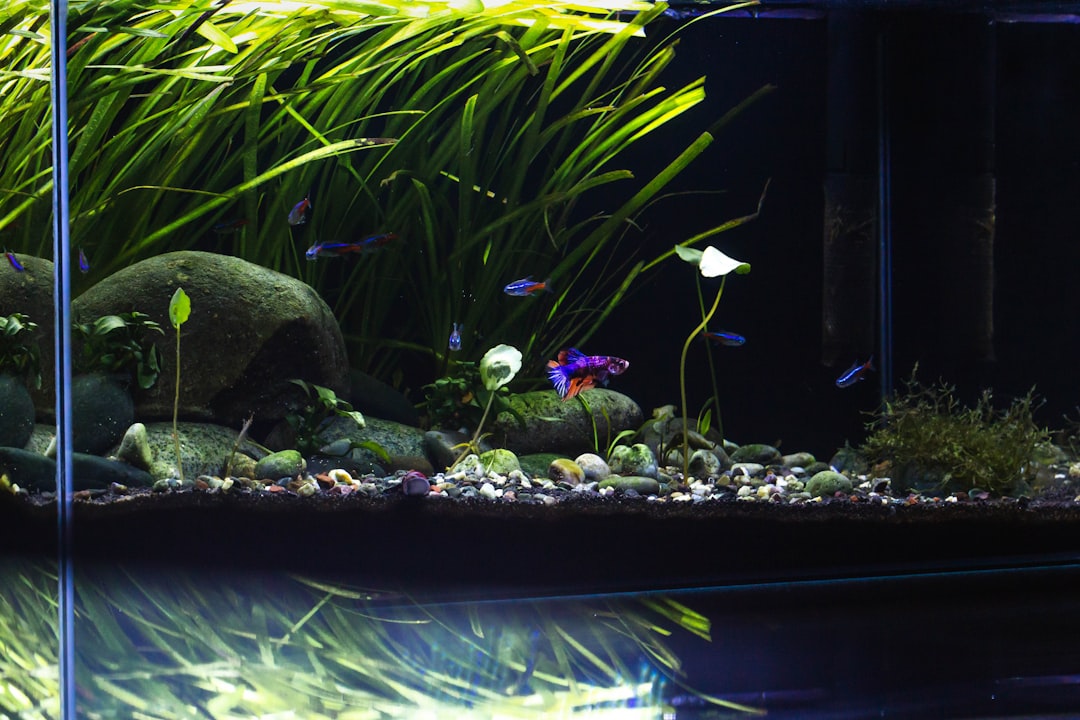
Community gardens across Singapore’s HDB estates are sprouting water features, and a well-designed pond becomes the social heart of the space. Knowing how to aquascape a community garden pond in Singapore means balancing aesthetics with practicality: tropical heat, heavy rainfall, public access, and the guidelines set by NParks and your local town council. Gensou Aquascaping at 5 Everton Park has designed pond features for several community spaces, and this guide distils those lessons into a practical framework.
Getting Approval
Before breaking ground, you need written approval from your town council and potentially NParks if the garden sits on National Parks Board land. Submit a simple proposal outlining the pond dimensions, depth (typically capped at 30-45 cm for safety), water circulation method, and maintenance plan. Mention mosquito prevention specifically, as NEA regulations require standing water to be treated or circulated. A well-prepared proposal that addresses safety and pest control upfront speeds approval significantly.
Pond Size and Construction
Most community garden ponds range from 1 to 3 square metres of surface area and 30-45 cm depth. Pre-formed fibreglass pond shells are the easiest to install and cost $150-400 depending on size from garden suppliers on Lazada. Alternatively, a flexible EPDM rubber liner over a sand-cushioned excavation offers custom shapes. Keep edges raised 10-15 cm above ground level to prevent runoff carrying soil and pesticides into the water. A shallow shelf around the perimeter at 10 cm depth supports marginal plants and provides a safe zone for children.
Dealing With Singapore’s Climate
Full sun heats a shallow pond to 32-35°C by midday, which stresses most fish. Position the pond where it receives morning sun but afternoon shade from a tree or structure. If full shade is unavailable, floating plants covering 50-60 per cent of the surface reduce heat gain substantially. Heavy tropical downpours can overflow the pond and wash out fish. An overflow pipe set 5 cm below the rim directs excess water safely to a drain. Line the overflow with mesh to prevent fish escaping.
Plant Selection for Outdoor Tropical Ponds
Choose hardy species that tolerate heat, full sun, and occasional neglect. Nymphaea varieties (tropical water lilies) thrive and flower prolifically outdoors. Marginal plants like Cyperus alternifolius (umbrella palm) and Thalia dealbata add vertical interest along the edges. Submerged oxygenators such as Ceratophyllum demersum (hornwort) help maintain water clarity and consume excess nutrients. Avoid invasive species like Salvinia molesta and water hyacinth, which are controlled under Singapore’s biosecurity rules.
Fish and Livestock
Guppies and platies are the workhorses of community garden ponds. They are colourful, breed readily, tolerate heat, and eat mosquito larvae. A starting colony of 10-15 fish for a 2-square-metre pond is plenty; they will multiply. Trichopodus trichopterus (three-spot gourami) handles outdoor conditions well and adds size variety. Avoid koi, which need at least 1,000 litres per fish and produce waste volumes that overwhelm small ponds. For algae control, a few Neritina snails graze surfaces without reproducing in fresh water.
Filtration and Mosquito Prevention
A small solar-powered fountain pump costing $30-50 provides surface agitation that deters mosquito egg-laying while oxygenating the water. For larger ponds, a submersible pump feeding a simple bog filter (a container filled with gravel and planted with marginal plants) provides biological filtration powered by a standard outdoor socket. Run the pump 24 hours a day to maintain circulation. NEA inspectors check community gardens regularly, and stagnant water will result in fines and orders to drain the pond.
Aquascaping the Pond for Visual Impact
Apply the same composition principles as indoor aquascaping: odd numbers of plant groupings, varied heights, and a focal point. A striking rock or piece of weathered wood placed off-centre anchors the design. Plant tall marginals at the back (relative to the primary viewing angle), medium species in the middle, and low-growing or floating plants toward the front. Leave at least one-third of the water surface open so visitors can see the fish. At night, a waterproof LED spotlight angled across the pond surface creates a dramatic gathering point.
Maintenance and Community Involvement
Assign pond care to a small roster of volunteers on a weekly rotation. Tasks include topping up water lost to evaporation (significant during dry spells), removing dead leaves, feeding fish lightly two to three times per week, and checking the pump. Post a simple laminated care sheet beside the pond. Gensou Aquascaping has found that a well-maintained community garden pond becomes a conversation starter that draws new members to the gardening group and brings neighbours together over a shared piece of living nature in the heart of their estate.
Related Reading



