
How to Aquascape for Corydoras: Sand, Shade and Open Floor
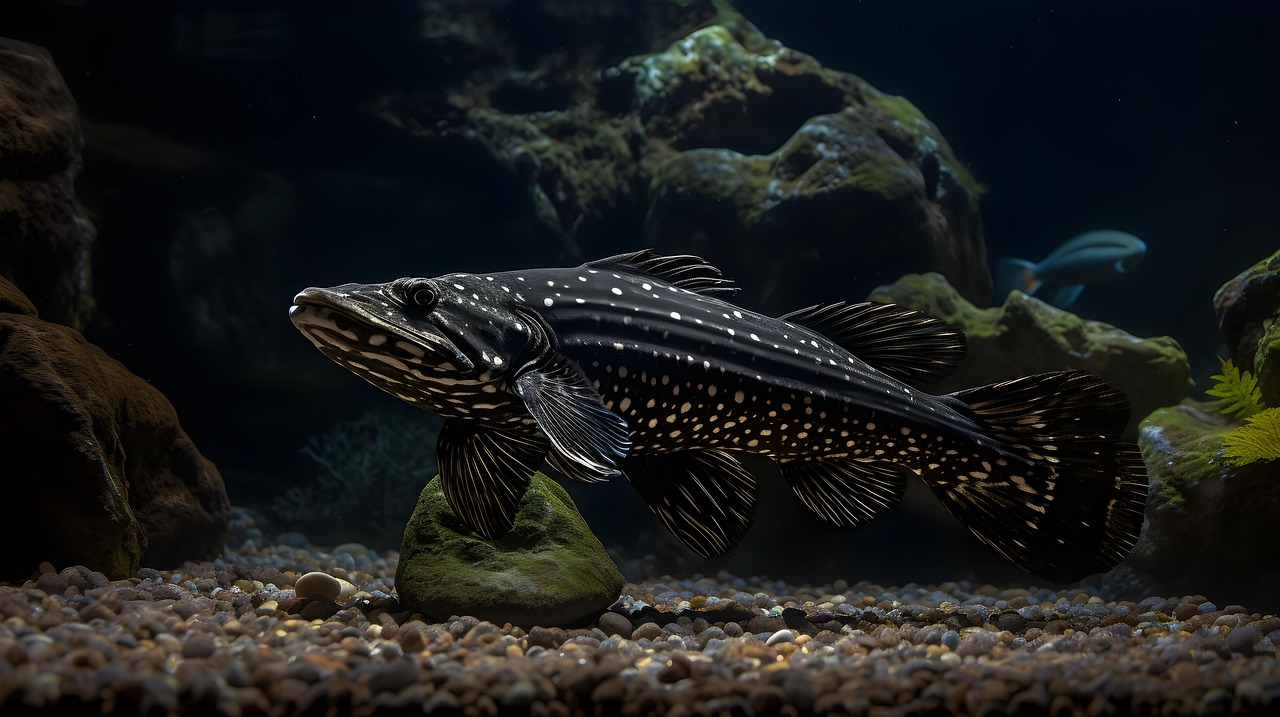
This aquascape corydoras tank guide shows you how to design a layout that caters to the natural behaviour of these endearing bottom-dwelling catfish while still looking fantastic. At Gensou Aquascaping, based at 5 Everton Park in Singapore, we keep Corydoras in several of our display tanks and know firsthand what makes them happiest.
Understanding Corydoras Behaviour
Corydoras are social, bottom-dwelling catfish that spend their days sifting through substrate for food, resting in shaded areas and occasionally darting to the surface for a gulp of air. They are shoaling fish that feel most secure in groups of six or more. Their barbels, the whisker-like sensory organs around their mouths, are delicate and easily damaged by rough substrates. Any aquascape designed for Corydoras must prioritise soft substrate, open foraging areas and sheltered resting spots where the group can gather together.
Substrate Selection
Fine sand is non-negotiable for a Corydoras tank. Watching them plunge their faces into the sand and sift it through their gills is one of the great joys of keeping these fish, and coarse gravel prevents this natural behaviour while risking barbel erosion. Use pool filter sand, ADA La Plata Sand or any smooth-grained sand with a particle size of 0.5 to 1.5 millimetres. In Singapore, pool filter sand costs under SGD 10 per bag from hardware stores and works perfectly. Avoid sharp silica sand or crusite. Slope the sand gently from back to front, keeping it deeper at the rear where plants can root and shallower at the front where the Corydoras will forage most actively.
Creating Open Foraging Zones
The most common mistake in aquascaping for Corydoras is filling the entire floor space with plants and hardscape. These fish need clear, unobstructed sand areas to sift and explore. Reserve at least 40 to 50 per cent of the tank floor as open sand. Position hardscape and planting towards the back and sides, creating a natural amphitheatre shape with the open floor as the stage. This design is also visually appealing, as it provides depth and draws the eye into the layout.
Hardscape for Shelter and Shade
Driftwood pieces arranged to create overhangs and shaded pockets give Corydoras the resting spots they seek during quieter periods. Spider wood with its branching structure works well for this purpose. Smooth river stones stacked to form low caves offer additional shelter. Avoid sharp-edged rocks like seiryu stone in areas where Corydoras rest, as they can injure the fish’s soft underbelly. Position hardscape along the back third and sides of the tank, anchoring the design while leaving the central and foreground areas open. Driftwood from local Singapore shops typically costs SGD 10 to SGD 35 per piece.
Plant Selection
Choose plants that provide shade without carpeting the floor. Broad-leaved species like Anubias barteri, Echinodorus species and Cryptocoryne wendtii create canopy cover when grown on or near hardscape. Java fern attached to driftwood adds height and texture overhead. Floating plants such as Amazon frogbit and Salvinia diffuse light and give the tank the dappled, shaded feeling that Corydoras prefer. Avoid dense carpet plants across the foraging zone, as they prevent the fish from accessing the sand. If you want some carpet coverage, limit it to patches around the base of hardscape rather than wall-to-wall coverage.
Filtration and Flow
Corydoras come from slow to moderately flowing streams, so gentle filtration is ideal. A canister filter with a spray bar or lily pipe spreads flow evenly across the surface without creating strong currents at the bottom. Sponge filters are excellent for breeding setups and smaller tanks, providing biological filtration with minimal flow. Ensure the filter intake is protected with a pre-filter sponge to prevent sand ingestion and to protect Corydoras fry. A flow rate of roughly four to six times the tank volume per hour is sufficient.
Stocking and Tankmates
Keep Corydoras in groups of at least six, preferably ten or more of the same species. Popular species in Singapore include Corydoras panda, Corydoras sterbai, Corydoras habrosus and Corydoras pygmaeus. Prices range from SGD 3 to SGD 8 per fish depending on the species. Suitable tankmates include peaceful mid-water fish like rasboras, small tetras and honey gouramis that do not compete for bottom space. Avoid aggressive bottom dwellers, large cichlids or any fish that might harass the Corydoras during their resting periods.
Bringing It Together
The ideal Corydoras aquascape balances aesthetics with function: a backdrop of wood and plants framing an open sandy foreground where your shoal can forage freely, punctuated by shaded resting areas where they gather between feeding sessions. Keep the sand clean with weekly light siphoning, and feed sinking wafers and frozen bloodworms directly onto the open sand to encourage natural foraging behaviour. Visit Gensou Aquascaping at 5 Everton Park for help designing a Corydoras-friendly aquascape that looks as good as it functions.
Related Reading



