How to Aquascape for Mbuna Cichlids: Rocks, Caves and Aggression
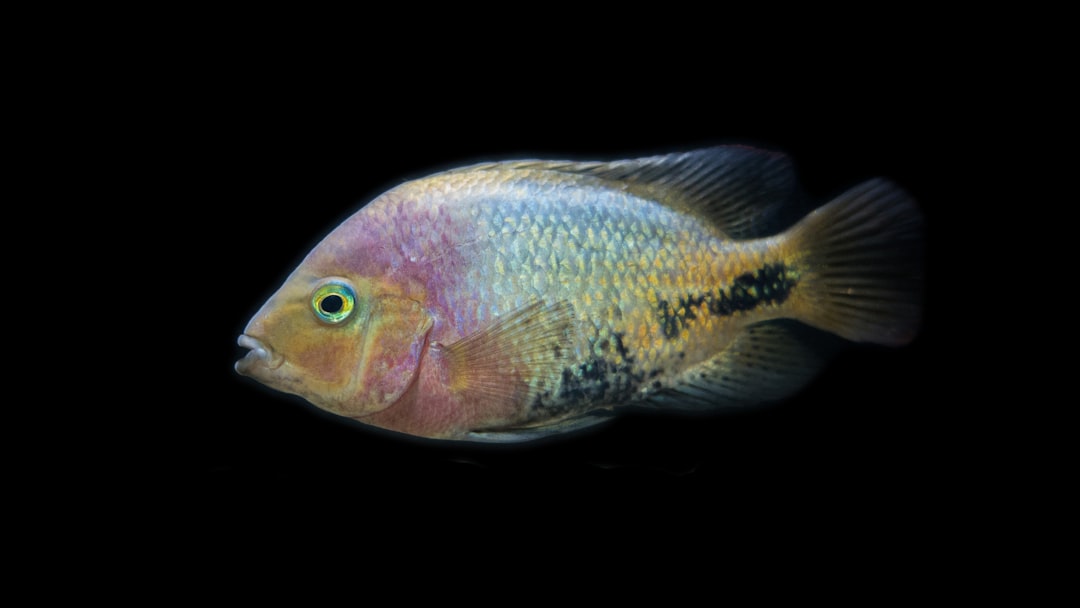
Mbuna cichlids are among the most colourful freshwater fish on the planet — and among the most aggressive. A well-designed aquascape for a mbuna cichlid rock tank does more than look impressive; it actively manages territorial disputes by breaking sightlines and providing refuge. This guide from Gensou Aquascaping Singapore at 5 Everton Park draws on over 20 years of designing robust cichlid habitats for hobbyists across the island.
Understanding Mbuna Behaviour
Mbuna — meaning “rockfish” in the Tonga language of Lake Malawi — live among tumbled boulder fields in the wild. Males stake out cave territories and defend them fiercely against rivals. Females and subdominant males need escape routes and hiding spots to survive constant harassment. Without sufficient rock structure, dominant fish harass weaker ones relentlessly, often to the point of injury or death.
Overstocking is a recognised aggression management technique in mbuna tanks. Counter-intuitive as it sounds, keeping 15–20 fish in a 200-litre tank spreads aggression so broadly that no single fish becomes a persistent target. The aquascape must support this density by offering plentiful cover.
Rock Selection and Safety
Limestone, ocean rock, and Texas holey rock are popular choices that also buffer pH upward — beneficial since mbuna thrive at pH 7.8–8.6. Avoid rocks with sharp edges that could injure fish during chases; tumbled river rock and rounded limestone work well. Test any unknown rock with vinegar — if it fizzes, it contains calcium carbonate and will raise hardness and pH, which suits mbuna perfectly.
In Singapore’s HDB flats, weight is a genuine concern. A 120 cm tank fully stacked with rock and water can easily exceed 300 kg. Ensure your tank stand distributes weight across floor joists and consider the floor load rating of your unit. Placing heavy tanks along load-bearing walls is a prudent precaution.
Building Stable Rock Structures
Stack rocks directly on the glass bottom — not on the substrate — to prevent mbuna from digging underneath and causing collapses. Use aquarium-safe silicone or reef-safe epoxy to bond key structural pieces together, especially at height. A toppled rock pile can crack glass, injure fish, and flood your living room.
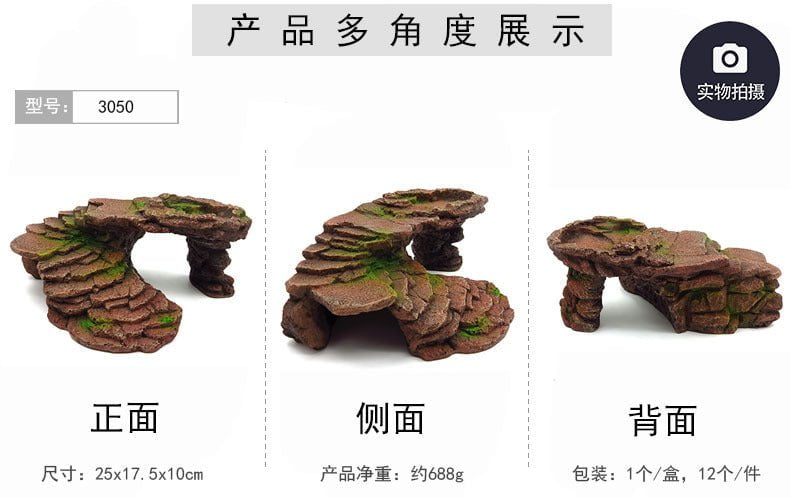
Create multiple distinct cave systems rather than one large pile. Space them across the tank’s length to establish separate territories. Each cave should have at least two openings so a fleeing fish never gets cornered — dead-end caves become traps rather than refuges.
Substrate Choices
Coral sand or aragonite substrate at 3–5 cm depth serves double duty: it provides a natural digging medium for mbuna (who excavate enthusiastically) and buffers water hardness. Fine pool filter sand also works if you maintain pH through rock choice and buffer additives. Avoid dark substrates that obscure waste buildup — mbuna tanks produce considerable organic waste due to high stocking levels.
Plants in a Mbuna Tank
Most plants are incompatible with mbuna. These fish are herbivorous grazers that shred soft-leaved species within hours. Anubias barteri attached to rocks survives reasonably well thanks to its tough, bitter leaves. Vallisneria species sometimes persist if the tank is well-fed, reducing the fish’s motivation to graze. Java fern can work when wedged into crevices out of direct reach.
An aquascape for mbuna cichlids ultimately embraces the beauty of stone. Think of it as an underwater rock garden — the fish themselves provide all the colour you need.
Flow and Filtration for a Rock Tank
Mbuna need strong filtration. Aim for 8–10 times tank volume turnover per hour. Canister filters paired with a spray bar distribute oxygenated water through the rock work, preventing dead pockets where waste accumulates. A powerhead positioned to push flow behind the main rock structure keeps detritus suspended for the filter to capture.
Weekly 30–40 % water changes are non-negotiable with heavy stocking. Use a gravel vacuum to reach between rock gaps where mulm collects invisibly.
Layout Principles for Aggression Management
Break every straight sightline across the tank. A dominant male standing at one end should not be able to see the other end — rocks, pillars, and vertical dividers achieve this. Arrange the hardscape to create at least three distinct zones. Dominant males will claim one zone each, leaving buffer areas where subdominant fish can move without triggering chases.
Rearranging the entire rock layout when introducing new fish resets territorial claims and reduces bullying during the integration period. At Gensou Aquascaping, we advise clients to photograph their layout before any rearrangement so they can rebuild a similar structure later if desired.
Related Reading