How to Aquascape a Planted Discus Tank: Heat, Space and Elegance
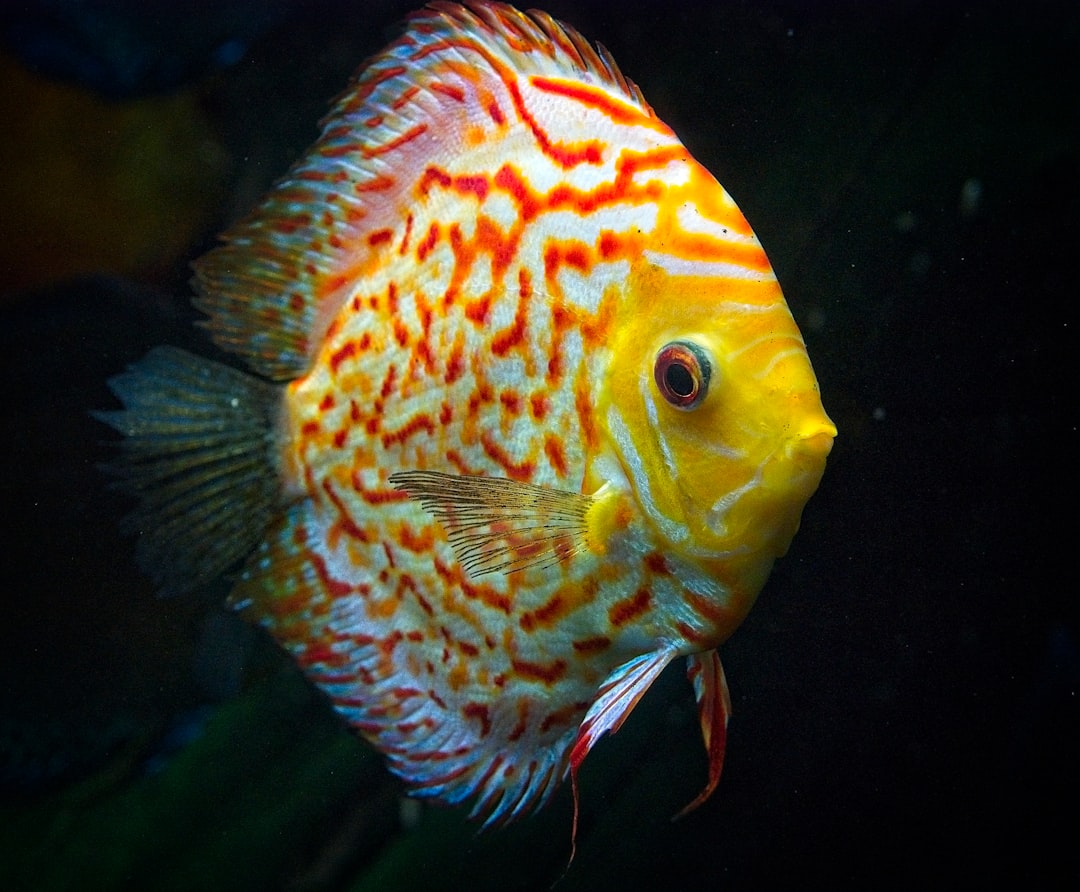
Discus are often called the king of freshwater fish — and like royalty, they demand a carefully designed environment. Creating an aquascape for a planted discus tank requires balancing the high temperatures these fish need with the plant species and layout choices that thrive under those conditions. Gensou Aquascaping at 5 Everton Park, Singapore, has built planted discus displays for hobbyists and commercial clients over 20 years, and this guide distils that experience into actionable advice.
Temperature: The Central Challenge
Discus thrive at 28–32 °C — warmer than most tropical community fish and significantly warmer than many popular aquarium plants prefer. At the upper end, oxygen solubility drops, plant metabolism accelerates, and algae finds ideal conditions. Every aspect of the aquascape must account for this elevated temperature range.
In Singapore’s climate, ambient room temperature already sits at 28–30 °C, so reaching the lower end of the discus range requires no heater at all. A small heater set to 30 °C provides a safety net during unusually cool spells or in air-conditioned rooms. The main concern is actually preventing overheating during midday peaks — a clip-on fan dropping surface temperature by 1–2 °C can save both fish and plants.
Plant Selection for Warm Water
Echinodorus species — Amazon swords — are the classic discus companion. They originate from the same warm South American waters and tolerate 30 °C without complaint. Anubias varieties handle heat well, growing slowly but steadily when attached to driftwood. Vallisneria species remain robust at elevated temperatures and create a natural curtain backdrop.
Heat-sensitive plants like Hemianthus callitrichoides (HC Cuba) and many Bucephalandra varieties struggle above 28 °C. Avoid them in a discus aquascape unless you can maintain the tank at the very bottom of the discus comfort range. Staurogyne repens and Cryptocoryne wendtii are reliable foreground and midground options that cope with warmth.
Layout: Open Space Is Essential
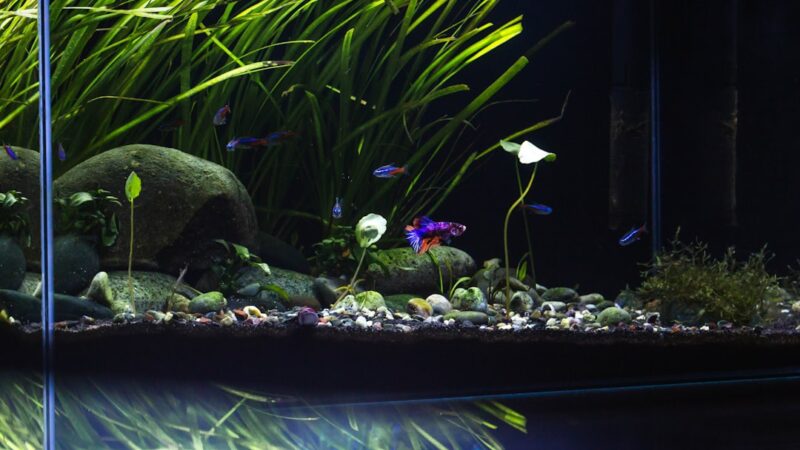
Discus are large, disc-shaped fish that need generous open swimming areas. A heavily planted Dutch-style layout crammed with stems may look appealing but restricts movement and stresses these fish. Aim for roughly 60 % open water and 40 % planted or hardscaped areas. Place taller plants and wood structures toward the back and sides, leaving the central area clear.
Driftwood — particularly branching spider wood or Malaysian driftwood — anchors a planted discus tank aquascape beautifully. Arrange pieces to frame the open centre, creating a natural stage where the fish display. Tall Echinodorus planted behind the wood completes the Amazonian atmosphere.
Substrate Considerations
Discus keepers traditionally used bare-bottom tanks for easy cleaning, but planted setups require substrate. ADA Amazonia or Tropica Soil provides nutrients for root feeders and maintains a slightly acidic pH. Sand caps over nutrient-rich base layers also work well. Keep substrate depth at 4–6 cm for healthy root growth while allowing root tab supplementation as the soil ages.
Avoid very coarse gravel that traps food and waste in the gaps. Discus are messy eaters, and organic matter decaying in deep gravel beds degrades water quality quickly at high temperatures where decomposition accelerates.
Filtration and Flow
Discus prefer gentle to moderate flow. Strong currents stress them and force constant swimming. A canister filter rated for the tank volume with a spray bar diffusing the output works well. Target 4–6 times turnover per hour — lower than typical planted tank recommendations, but adequate given the emphasis on water changes over mechanical processing in discus keeping.
Supplementary sponge filters provide biological backup and gentle aeration without adding current. Many experienced discus keepers in Singapore run a canister for primary filtration alongside a large sponge filter as insurance.
Water Parameters and Maintenance
Wild-type discus demand soft, acidic water — pH 5.5–6.5, GH below 4 dGH. Tank-bred strains available locally are far more adaptable, tolerating pH 6.0–7.5 and moderate hardness. Singapore’s naturally soft PUB tap water suits discus well after dechloramination; RO water is unnecessary for most tank-bred stock.
Frequent water changes — 40–50 % twice weekly — are the cornerstone of discus health. Heavy feeding and high temperatures generate waste rapidly. Consistent water quality trumps perfect parameters; stable pH at 6.8 beats fluctuating between 6.0 and 7.2.
Stocking and Companions
Keep discus in groups of at least five to distribute hierarchy-related aggression. A 250–300 litre tank accommodates a group of six comfortably alongside the planted aquascape. Suitable tank mates include cardinal tetras (the classic pairing), rummy-nose tetras, and Corydoras sterbai — one of the few corydoras species that thrives at discus temperatures.
At Gensou Aquascaping, planted discus tanks are among our most requested builds. The combination of lush greenery and graceful, colourful fish creates a living artwork that transforms any room. Patience in planning the layout pays dividends for years to come.
Related Reading