
How to Aquascape an Outdoor Pond in Singapore
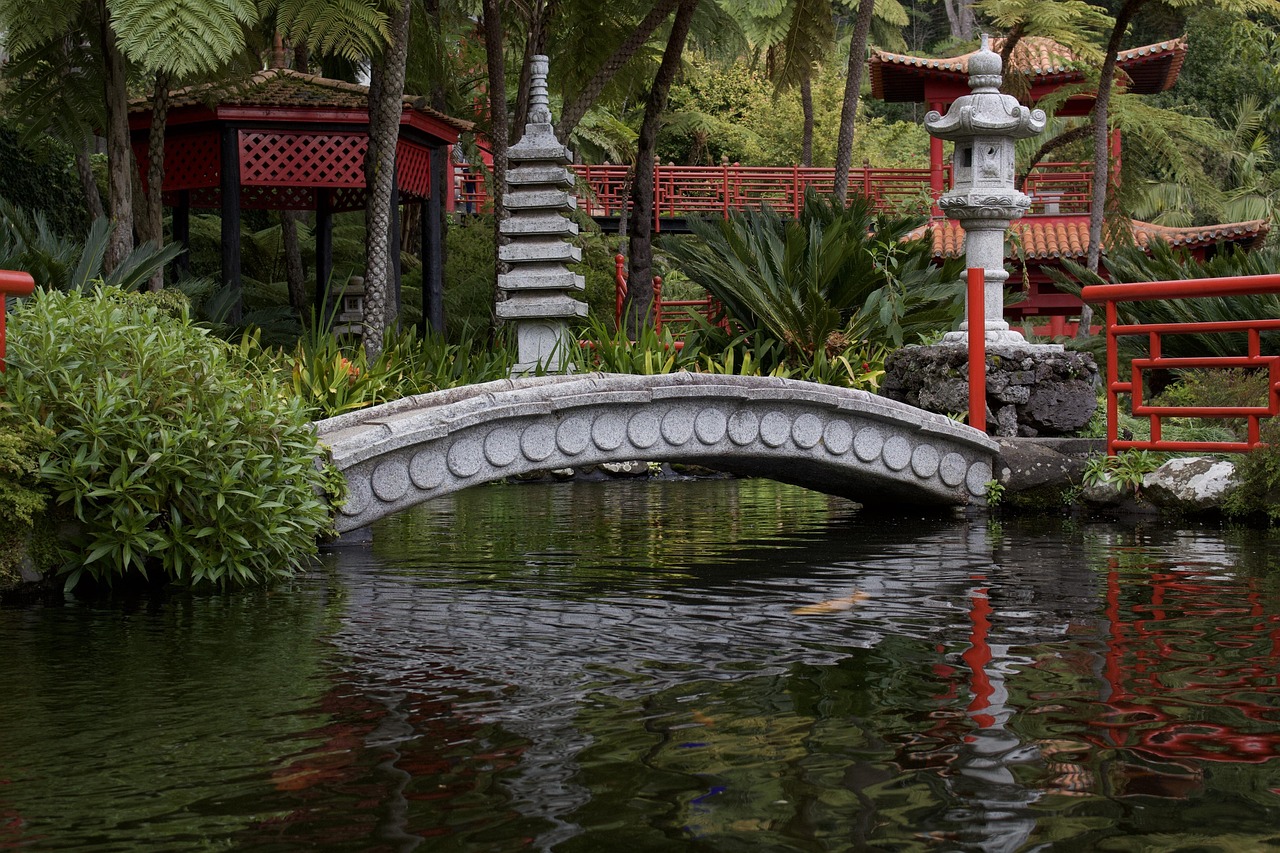
Singapore’s year-round tropical climate makes outdoor ponds viable in every month, but the same heat, humidity, and sudden downpours that sustain lush garden growth also create unique challenges for aquatic design. This aquascape outdoor pond Singapore guide covers plant selection, fish stocking, filtration, and practical considerations specific to our local conditions. At Gensou Aquascaping, 5 Everton Park, we have designed and maintained outdoor water features for landed properties, condo common areas, and even rooftop gardens across the island.
Choosing the Right Pond Type
Preformed fibreglass ponds suit compact gardens and require minimal construction. Liner-based ponds built with EPDM rubber sheeting offer complete freedom in shape and size but need careful ground preparation. Raised masonry ponds with waterproofed concrete walls work well on patios and rooftops where digging is not possible. For most Singapore landed homes, a pond of 500-1,500 litres is practical; anything larger demands serious structural consideration, especially on upper-level outdoor spaces where load limits apply.
Dealing With Singapore’s Heat
Pond water temperatures in direct sun can hit 34-36 degrees Celsius during the afternoon. Most tropical fish tolerate brief spikes to 32, but sustained temperatures above that stress even hardy species. Position the pond where it receives morning sun and afternoon shade, ideally under a tree canopy or covered patio. Floating plants like water lettuce (Pistia stratiotes) and water hyacinth (Eichhornia crassipes) shade the surface naturally, reducing temperature by 2-4 degrees. A deeper pond section of at least 45-60 cm provides a cooler refuge zone at the bottom.
Plants for a Singapore Outdoor Pond
Tropical marginals thrive in our climate. Cyperus alternifolius (umbrella plant) grows tall and dramatic at the pond edge. Thalia dealbata adds height with its canna-like leaves. Dwarf papyrus softens the margins without overwhelming a small pond. For submerged plants, Vallisneria species root in the pond substrate and tolerate the warmer water well. Lotus and tropical water lilies are the showstoppers; a single Nymphaea cultivar in a planting basket can dominate a 1,000-litre pond with leaves and flowers. Water lettuce multiplies rapidly in Singapore’s conditions, so thin it fortnightly to prevent it from covering the entire surface.
Fish Suitable for Outdoor Ponds
Koi are the classic pond fish, but they need at least 2,000 litres and produce enormous waste loads. For smaller ponds, Japanese medaka (Oryzias latipes) and guppies are colourful, hardy, and breed freely outdoors. Goldfish handle Singapore’s warmth if the pond stays below 32 degrees Celsius with shade. Mosquito fish (Gambusia) are sometimes added for larvae control, but guppies and medaka perform the same function while being far more attractive. Avoid large cichlids in planted ponds; they uproot vegetation relentlessly.
Filtration and Water Quality
Outdoor ponds accumulate leaf litter, insect debris, and dust far faster than indoor tanks. A submersible pump feeding a pressurised or gravity-fed biofilter is the minimum setup. For ponds above 1,000 litres, a multi-chamber filter with brushes, bio-media, and a settling chamber handles the heavier load. UV clarifiers control green water algae blooms triggered by Singapore’s intense sunlight. Run the UV unit for 8-10 hours daily during the sunniest months. Partial water changes of 10-20 percent weekly keep nitrates manageable, and draining the top layer during heavy rain prevents sudden pH swings from acidic rainwater.
Mosquito Prevention
Singapore’s NEA regulations require that any standing water body does not breed mosquitoes. Fish are the most effective control; a healthy population of surface-feeding species consumes larvae within hours of hatching. Ensure there are no stagnant pockets behind rocks or in overflow trays where fish cannot reach. Water circulation from the pump should touch every corner of the pond. If fish are absent for any reason, biological larvicides approved by NEA, such as Bacillus thuringiensis israelensis (Bti) dunks, can be added without harming plants or beneficial organisms.
Hardscape and Edge Design
Natural stone coping around the pond edge integrates the water feature into the garden landscape. Stack flat stones to create a partially raised wall that doubles as seating. Pebble beaches at one end allow birds and small wildlife to access the water safely, adding ecological interest. Underwater, arrange rocks to create planting pockets and fish shelters. Avoid using limestone in large quantities if you are growing acid-loving plants, as it slowly raises pH and hardness. Granite and river stone are inert and widely available from local landscaping suppliers for $2-$5 per kg.
Maintaining Your Outdoor Pond Year-Round
Singapore has no winter dormancy, which means plants grow and fish eat continuously. Expect to prune marginals monthly and thin floating plants fortnightly. Feed fish lightly; natural food sources like insect larvae, algae, and biofilm supplement their diet significantly in an outdoor setting. Clean the filter media monthly and check the pump impeller for debris. After heavy storms, test pH and top up if the water level has risen from rainwater dilution. With consistent care, an outdoor pond in Singapore becomes the centrepiece of any garden, blending aquascaping artistry with the full sensory experience of open-air water.
Related Reading



