
How to Aquascape for Restaurant Entrances in Singapore
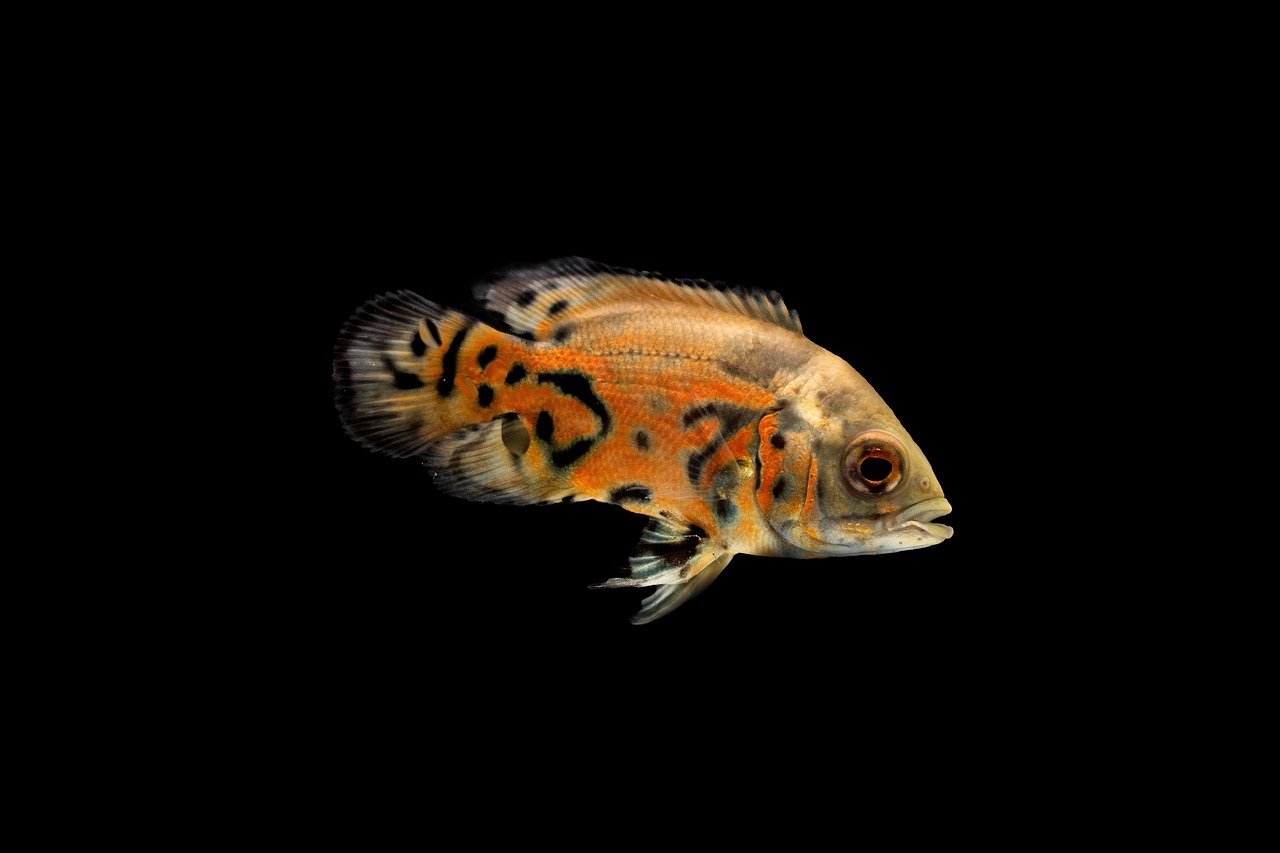
A beautifully aquascaped tank at a restaurant entrance does what no painting or sculpture can: it captures attention with living, moving art. Diners pause, children press against the glass, and the entire dining experience starts on a positive note. Designing an aquascape restaurant entrance Singapore guide requires balancing visual impact with practical realities like heat, foot traffic, and the fact that restaurant staff are not aquarium hobbyists. Gensou Aquascaping at 5 Everton Park, Singapore has installed and maintained display tanks for restaurants across the island, and these are the lessons we have learned.
Choosing the Right Tank Size
Restaurant entrances in Singapore vary from narrow HDB shophouse corridors to spacious lobby areas in standalone buildings. A 90-120 cm tank (approximately 150-250 litres) strikes the right balance between visual presence and spatial practicality. Anything smaller gets lost in a busy entrance. A wall-mounted or peninsula-style tank works well as a room divider between the entrance and the dining area, serving double duty as both decor and spatial design element.
Placement and Structural Considerations
A filled 120 cm tank weighs over 200 kg, so verify floor load capacity before placement, especially in older shophouses. Position the tank away from the kitchen entrance to avoid heat and grease exposure. Ensure the stand allows rear access for maintenance without disrupting service. Electrical outlets for lighting, filtration, and a possible chiller need to be nearby and safely routed away from foot traffic and wet mopping zones.
Aquascape Style for Maximum Impact
Nature-style aquascapes with a single dramatic focal point work best for non-hobbyist audiences. A large piece of driftwood surrounded by lush green plants reads as an underwater forest and is universally appealing. Avoid complex iwagumi layouts that rely on subtlety, as these can look sparse and underwhelming to diners who are not aquascaping enthusiasts. Bold contrast between dark hardscape and bright green plants creates the “wow factor” that draws people in.
Low-Maintenance Plant Choices
Restaurant tanks need plants that tolerate irregular care schedules. Anubias barteri, Microsorum pteropus (Java fern), Bolbitis heudelotii, and Bucephalandra species are all slow-growing, low-light tolerant, and forgiving of missed fertiliser doses. Attach them to hardscape rather than planting in substrate to simplify maintenance. Taxiphyllum barbieri (Java moss) softens driftwood edges and requires only occasional trimming. Avoid demanding stem plants that need weekly trimming and CO2 injection.
Fish Selection for Display Tanks
Colourful, active schooling fish create the most engaging display. A shoal of 20-30 cardinal tetras or rummy-nose tetras moving in unison mesmerises viewers of all ages. Add a small group of Corydoras for bottom-level activity and a pair of Trichogaster lalius (dwarf gouramis) as a colourful centrepiece. Avoid aggressive or territorial species that may display damaged fins, as this creates a negative impression. Stock modestly to keep maintenance manageable and water quality stable between service visits.
Climate Control and Equipment
Singapore restaurant entrances can be hot, particularly in non-air-conditioned shophouse settings. If ambient temperature regularly exceeds 30 °C, budget for an aquarium chiller or at minimum a clip-on fan to keep water below 28 °C. Canister filters are preferred over HOB models for commercial settings, as they are quieter, hidden in the cabinet, and hold more media for longer intervals between cleaning. An auto top-off system prevents water level drops from evaporation during busy days when nobody is monitoring.
Maintenance Schedule for Commercial Tanks
Restaurant tanks should receive professional maintenance weekly: a 20-30 percent water change, glass cleaning, filter media check, and plant trimming as needed. Train one staff member to handle daily feeding (a measured amount, once per day) and to check equipment each morning. Provide a simple visual checklist taped inside the cabinet for daily and weekly tasks. Gensou Aquascaping offers maintenance contracts for commercial clients in Singapore, handling all technical upkeep so staff can focus on hospitality.
Compliance and Safety
Ensure the tank setup meets Singapore’s fire safety and electrical regulations. All electrical connections should use waterproof junction boxes and be routed through a residual current device (RCD). The cabinet must be stable enough that it cannot be toppled by a bumped trolley or curious child. Use a secure canopy or lid to prevent objects from falling in. With proper planning and professional installation, an aquascaped restaurant entrance becomes a signature feature that diners remember and return for.
Related Reading



