Aquascape for Spa Treatment Rooms in Singapore: Serenity by Design
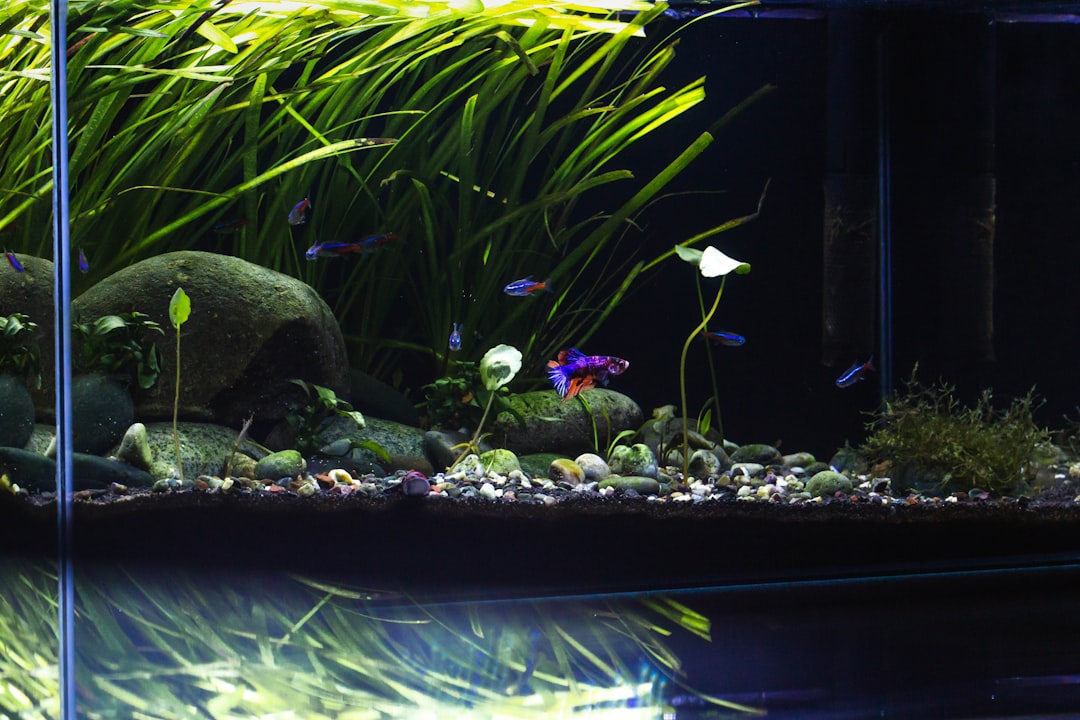
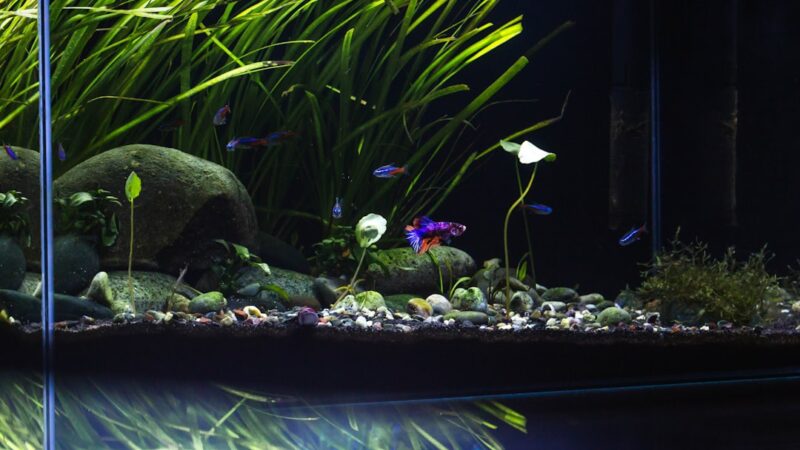
A well-designed aquarium transforms a spa treatment room from pleasant to unforgettable. The gentle movement of fish, the soft glow of underwater lighting, and the organic textures of an aquascape engage the senses in ways that piped music and scented candles alone cannot. This guide to creating an aquascape spa treatment room Singapore installation comes from Gensou Aquascaping at 5 Everton Park, where we have built calming aquatic displays for wellness spaces across the island for over 20 years.
Why Aquascapes Work in Spa Settings
Research consistently links aquarium viewing to reduced heart rate and lower cortisol levels. For a spa client lying on a treatment bed, a softly lit tank within their line of sight deepens the relaxation response before the therapist even begins. The effect is not merely decorative — it is therapeutic. Several Singapore spa operators report that rooms with aquariums command higher booking rates and longer average session times.
Choosing the Right Tank Size and Placement
Treatment rooms are typically compact — 8 to 15 square metres in many Singapore spas. A wall-mounted or built-in tank between 60–90 cm wide keeps the footprint minimal while delivering visual impact. Position the tank at the client’s eye level when reclined, usually 60–80 cm from floor to centre of the viewing panel. Rear-mounted or side-mounted orientations both work; avoid placing the tank where the therapist must reach across it.
Weight is a consideration in older shophouse conversions and upper-floor units. A 90 x 30 x 35 cm tank with hardscape weighs roughly 80–100 kg fully filled. Verify floor load capacity with the building management before installation.
Design Principles: Calm Over Complexity
Simplicity creates serenity. Use a nature-style or minimalist aquascape with flowing lines rather than busy, heavily planted layouts. A single piece of driftwood draped with Vesicularia montagnei (Christmas moss) and flanked by Anubias on stone achieves the effortless, organic look that suits a wellness environment. Muted earth tones in hardscape — warm browns, greys, pale sand — harmonise with typical spa interior palettes.
Avoid bright red or orange plants that create visual stimulation. Green and deep-green species — Bucephalandra, java fern, Cryptocoryne — project calm. The movement of a few slow-swimming fish provides enough visual interest without the chaos of a densely stocked community.
Fish and Livestock Selection
Choose species with slow, graceful movement. A small group of Paracheirodon simulans (green neon tetra) drifting through subdued lighting creates a mesmerising effect. Alternatively, a trio of Trichopodus leerii (pearl gourami) offers elegant, unhurried motion. Neocaridina shrimp add subtle activity at the substrate level without noise or splash.
Avoid boisterous fish like barbs or danios — their darting movement generates the opposite of calm. Similarly, avoid species that produce visible waste or disturb substrate, such as goldfish or large plecos.
Lighting for Ambient Effect
Spa treatment rooms often use dim, warm lighting. Your aquarium lighting should complement this ambiance rather than overpower it. An LED fixture set to 30–40 % intensity with a warm-white or slightly blue-moonlight spectrum creates a gentle underwater glow. Many modern LEDs — Chihiros, ONF, Twinstar — offer programmable dimming and colour channels.
Blue moonlight mode during evening sessions produces a particularly calming effect. Ensure the fixture operates silently — fan noise from cheaper LEDs defeats the purpose in a quiet treatment room.
Noise and Maintenance Considerations
Silence is paramount. Select a canister filter over a hang-on-back model — canisters operate nearly noiselessly when properly primed. Avoid air pumps entirely unless silent models like the Hiblow HP series are used. Position all equipment in a concealed cabinet or behind a partition. Plumbing connections should use flexible tubing with secure clamps to eliminate vibration transfer to the tank.
Schedule maintenance during off-hours — early morning or after closing. Weekly 25 % water changes, glass cleaning, and plant trimming take about 20 minutes for a tank this size. A professional maintenance contract with a service like Gensou Aquascaping ensures the display always looks its best without burdening spa staff.
Return on Investment
A complete spa treatment room aquascape — tank, stand, hardscape, plants, fish, and installation — typically costs $800–$2,000 depending on size and complexity. Monthly maintenance runs $80–$150. When weighed against the premium clients are willing to pay for a memorable experience, the investment pays for itself within months. Several of our spa clients in Singapore have reported that the aquarium room becomes the most requested space in their facility.
An aquascape for a spa treatment room is not just interior design — it is a functional tool for deeper relaxation. Done right, it elevates the entire brand experience.
Related Reading