
How to Rescape an Existing Aquarium Without Losing Your Cycle
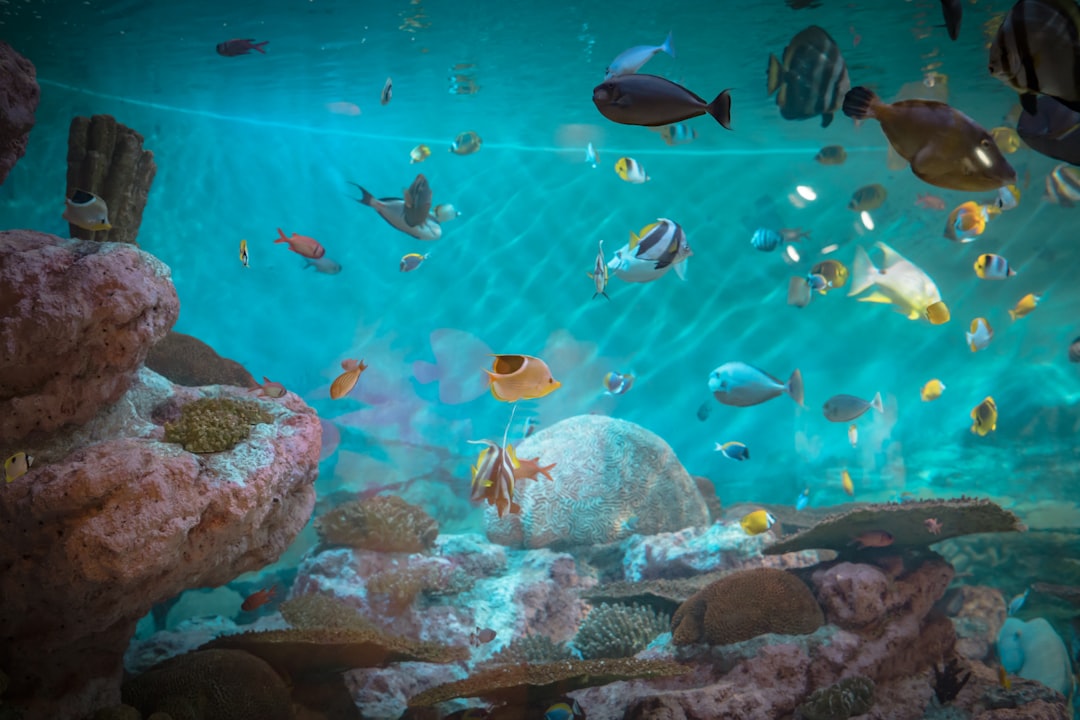
After a year or two, even a well-maintained aquascape can look tired — overgrown stems, depleted substrate, and a layout that no longer excites you. Rescaping breathes new life into your tank, but doing it wrong risks crashing the nitrogen cycle and killing livestock. This rescape existing aquarium guide from Gensou Aquascaping at 5 Everton Park, Singapore walks you through the process safely, preserving the biological filtration you spent months building.
Planning Before You Touch the Tank
Sketch your new layout on paper or use a free tool like Scape It to visualise hardscape placement. Order new plants, substrate, and any replacement hardscape in advance — having everything ready prevents your fish from sitting in a half-finished tank for days. Decide whether you are doing a full tear-down (new substrate, new hardscape) or a partial rescape (rearranging existing materials).
A partial rescape is less risky and takes an afternoon. A full tear-down is essentially setting up a new tank around an existing filter, which demands more caution.
Protecting Your Biological Filter
Your filter media houses the majority of beneficial bacteria. Never rinse or replace it during a rescape. If you need to turn the filter off temporarily, keep the media submerged in a bucket of old tank water with an air stone running. Bacteria begin dying within hours without oxygenated water flow, so minimise downtime — aim for under two hours.
If you are replacing substrate entirely, the bacterial colonies living in the old substrate will be lost. Compensate by adding a bacteria supplement and monitoring ammonia daily for two weeks after the rescape.
Fish and Livestock Holding
Transfer fish, shrimp, and snails into a large bucket or storage container filled with tank water. Add an air stone and a heater if the process will take more than an hour. Cover the container loosely to prevent jumpers — stressed fish leap. In Singapore’s warm climate, temperature usually holds steady in an indoor bucket, but check periodically during extended rescapes.
Catching fish in a planted tank is frustrating. Drain the water to about 15 cm depth first — it makes netting dramatically easier and reduces stress on both you and the fish.
Removing the Old Scape
Pull plants and place them in a separate bucket of tank water to keep them alive. Trim dead leaves and runners now, while they are easy to access. Remove hardscape piece by piece, rinsing off any algae or detritus. If reusing substrate, siphon the top layer of mulm first, then scoop substrate into buckets. Old active soil that has lost its buffering capacity should be discarded entirely — it offers no benefit in the new layout.
Setting Up the New Layout
Layer fresh substrate to the desired depth — typically 3–5 cm in front, sloping to 6–8 cm at the rear. Place hardscape according to your plan, checking the view from the front and sides before committing. Plant stems and epiphytes using long tweezers. Work methodically from background to foreground; planting in shallow water or on damp substrate gives you more control than planting in a full tank.
Refill slowly by pouring water onto a plate or plastic bag laid on the substrate. This prevents disturbing the soil and clouding the water. Use dechloraminated water at the same temperature as the holding bucket.
Reintroducing Livestock
Once the tank is refilled and the filter is running, float the holding bucket or bag in the tank for 15 minutes to equalise temperature, then release fish gradually. Monitor ammonia and nitrite daily for the first two weeks. Even with preserved filter media, the disruption can cause a mini-cycle — small daily water changes of 20 % help manage any spikes.
Feed sparingly for the first week to reduce waste load while bacteria re-establish in the new substrate.
Post-Rescape Care
Newly planted stems need stable conditions to root. Avoid major water parameter changes, keep lighting at six hours initially, and dose liquid fertiliser at half strength for the first two weeks. Algae often flares during this transition — algae magnet cleaners and manual removal handle cosmetic issues while the plants settle in.
Expect the new scape to look sparse initially. Within four to six weeks, stems fill in, carpets spread, and the layout begins to mature. Patience separates a successful rescape from a rushed one that never quite gels.
When to Rescape
Good triggers include exhausted active soil (pH rising despite water changes), irreversible algae infestations, or simply creative restlessness. At Gensou Aquascaping, we rescape client displays every 12–18 months as part of our maintenance service — it keeps the installation looking fresh and gives the owner something new to enjoy.
Related Reading



