How to Aquascape a Marine Nano Cube: All-in-One Reef Layout
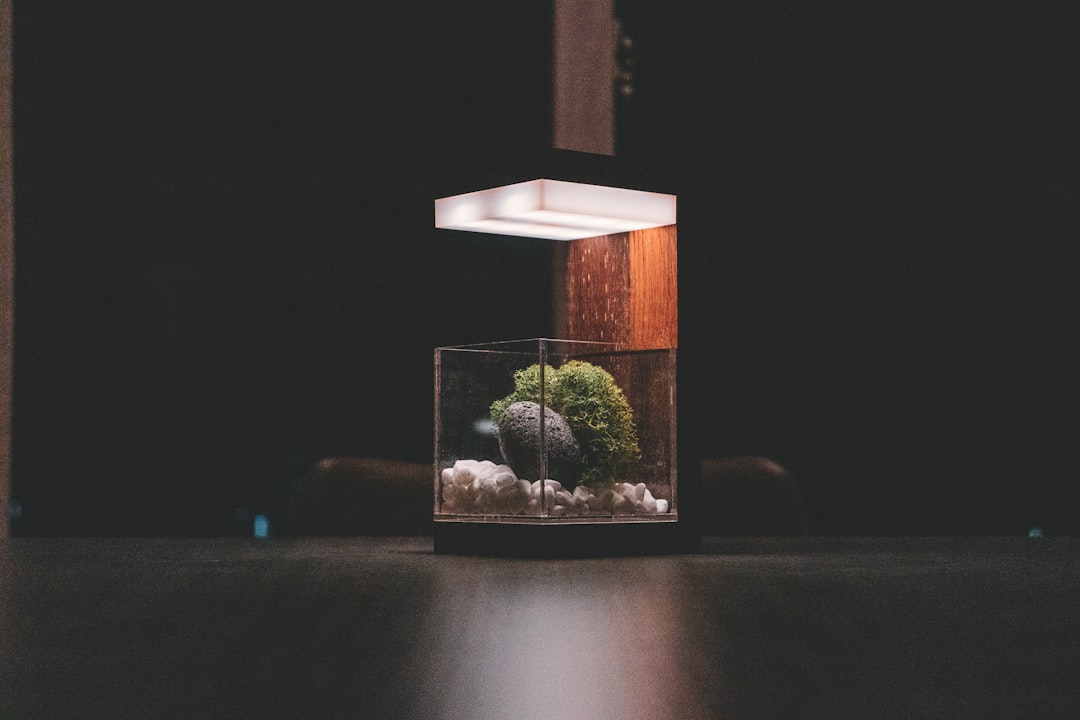
Nano cubes pack an entire reef ecosystem into a footprint that fits on a desk, and that constraint is exactly what makes them so satisfying to aquascape. When you aquascape marine nano cube all in one systems, every centimetre of rock placement, every coral position and every equipment choice matters more than in a large tank. Gensou Aquascaping Singapore has designed nano reef layouts for bedrooms, office desks and reception counters across the island, and the principles below will help you build a nano that punches well above its size.
Choosing the Right All-in-One Cube
All-in-one (AIO) nano cubes integrate filtration chambers behind or beneath the display, eliminating the need for a separate sump. Popular models in Singapore include the Waterbox Cube 10 and 20, the Red Sea Max Nano and the Innovative Marine Nuvo series. Tank volumes typically range from 30 to 75 litres. Look for models with adjustable rear chamber dividers so you can customise media placement, and check that the included pump provides at least 5–8 times turnover for the display section.
Budget $250–$700 for the tank alone, depending on brand and size. Factor in an additional $200–$400 for a quality LED light, heater and basic test kits.
Rock Layout Principles for Small Spaces
Less is more. Use two to three carefully chosen pieces of dry rock totalling about 1–1.5 kg per 10 litres of display volume. A single main rock with a natural arch or overhang creates the illusion of a larger reef slope. Place it slightly off-centre — the rule of thirds applies to aquascaping just as it does to photography. Leave at least 3–5 cm between the rock and all glass panels for flow circulation and easy cleaning.
Bond pieces with reef-safe epoxy or cyanoacrylate gel. In a nano, a falling rock can crack glass panels that are often just 5–6 mm thick, so structural stability is non-negotiable.
Coral Selection for Nano Cubes
Choose corals that stay compact and tolerate the parameter fluctuations inherent to small water volumes. Zoanthids, Ricordea mushrooms, Rhodactis and Discosoma are forgiving and colourful. For LPS, small Euphyllia (frogspawn or hammer) and Duncanopsammia axifuga add movement without overwhelming the layout. A single small Acropora frag on the highest point can serve as a centrepiece if your lighting and stability support it.
Avoid fast-spreading species like Xenia or GSP (green star polyps) unless you are prepared to prune aggressively. In a nano, these colonisers can take over within weeks.
Flow in a Nano Cube
The return pump handles baseline circulation, but a small wavemaker dramatically improves coral health and prevents dead spots. Nano-specific wavemakers from Aqamai, Sicce and Jebao produce gentle, variable flow suitable for cubes under 60 litres. Mount the wavemaker on the opposite wall from the return nozzle to create a gyre pattern that sweeps the entire display.
Filtration and Media
In the rear chambers, stack your media in this order from top to bottom: filter floss or sponge (mechanical), a bag of carbon or Purigen (chemical), and MarinePure or Siporax bio-media (biological). Change filter floss weekly — in a nano, trapped detritus decomposes fast and spikes nitrate before you notice. A small protein skimmer designed for AIO chambers, such as the Tunze 9001 or Eshopps Nano, adds another layer of nutrient export.
Maintaining Stability
Small volumes swing fast. A 30-litre cube can see a 1 °C temperature shift from a single hour of afternoon sun through a window. Position the tank away from direct sunlight and air-conditioning vents. In Singapore’s climate, a nano chiller or cooling fan is often necessary to keep temperatures below 28 °C. Top off evaporation daily — even 500 ml of evaporation in a 30-litre tank raises salinity noticeably. An auto top-off system is one of the best investments you can make for a nano reef.
Stocking Fish Responsibly
One to three small fish is the realistic limit for a nano cube. A pair of Amphiprion ocellaris (clownfish) or a single Gobiodon okinawae (yellow clown goby) keeps the bioload manageable. Avoid tangs, wrasses and other active swimmers that need open water. Feed sparingly — one small pinch of frozen mysis or pellets per day — and remove uneaten food within minutes to prevent nutrient spikes.
Related Reading
Best Nano All-in-One Reef Tanks