Best Wavemakers for Nano Reef Tanks: Compact Flow Solutions
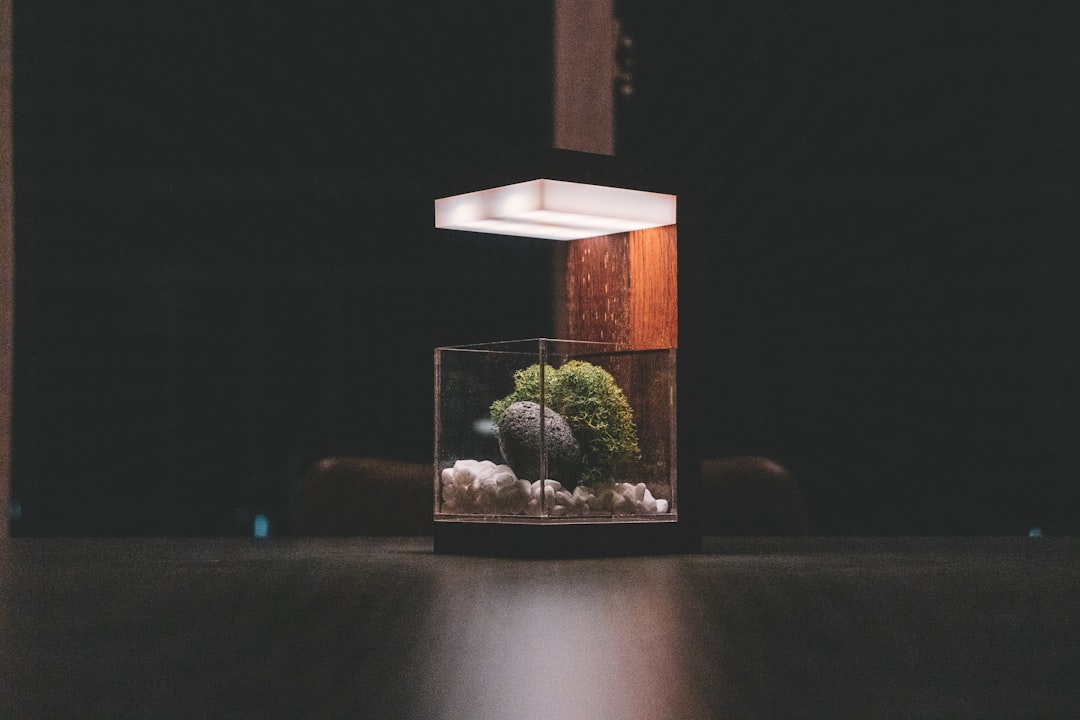
Flow is as important as light in a reef tank, yet it is one of the most overlooked aspects of nano setups. Choosing the best wavemaker for a nano reef tank means finding a unit powerful enough to keep detritus suspended and corals fed, without blasting livestock around a small enclosure. At Gensou Aquascaping Singapore, we have tested dozens of compact wavemakers in tanks from 20 to 80 litres, and the right choice depends on your tank dimensions, coral types and budget.
Why Flow Matters in a Nano Reef
Corals rely on water movement to deliver food particles, remove waste from their tissue and facilitate gas exchange. Stagnant zones in a nano tank quickly accumulate detritus and promote cyanobacteria. However, excessive linear flow from an oversized powerhead stresses soft corals and prevents polyp extension. The goal is broad, gentle, alternating flow that mimics natural reef surge — and modern DC wavemakers with programmable modes make this achievable even in very small volumes.
Key Features to Look For
Adjustable flow rate is essential. A wavemaker rated at 2,000 litres per hour may seem excessive for a 40-litre tank, but if it can dial down to 500 lph and run in pulse or wave mode, it becomes ideal. Magnetic mounts should be strong enough for the glass thickness of your tank — most nano tanks use 6 to 8 mm glass, and some budget wavemakers struggle with thicker panels. Quiet operation matters in a bedroom or living room; DC motors are significantly quieter than AC equivalents.
Recommended Wavemakers for Nano Reefs
The Jebao SOW series (SOW-2 and SOW-4) offers excellent value, with WiFi control and multiple flow modes for under $60 on Shopee. The Ecotech Vortech MP10 remains the gold standard for nano reefs — its dry-side motor eliminates in-tank clutter, and the controllability is unmatched, though the $350+ price tag reflects that quality. For budget-conscious hobbyists, the Jebao SLW-10 provides reliable alternating flow for around $30 to $40. The IceCap Gyre 1K is another strong contender, producing wide laminar flow that works particularly well in longer nano tanks.
Positioning for Optimal Flow
In a nano cube (30-40 cm sides), mount the wavemaker on one side panel near the top, angled slightly downward and across the tank. This creates a circular flow pattern that reaches all corners without dead spots. For longer rectangular nanos, place the wavemaker at one end aimed at the opposite glass — the return current naturally creates a gyre pattern. Avoid pointing flow directly at soft corals or anemones; instead, let them receive indirect, diffused movement.
Flow Rates by Coral Type
Soft corals and LPS prefer moderate, indirect flow — aim for 10 to 20 times total tank volume turnover per hour. A 40-litre LPS-dominant nano does well with 400 to 800 lph of actual flow at the wavemaker. SPS corals demand stronger movement, closer to 20 to 40 times turnover. In practice, most nano reef keepers target 15 times turnover as a balanced starting point and adjust based on coral response — fully extended polyps and gentle swaying indicate good flow.
Common Mistakes
Using a standard powerhead instead of a wavemaker produces narrow, linear jets that create high-velocity corridors and dead zones elsewhere. Running the wavemaker at full power 24 hours a day stresses livestock — use night mode or reduced flow during lights-off. Neglecting to clean the impeller and cage every month allows calcium buildup that reduces performance and increases noise. A quick soak in white vinegar every four to six weeks keeps the unit running efficiently.
Related Reading