Aquascaping With Cryptocoryne Only: Low-Tech Lush
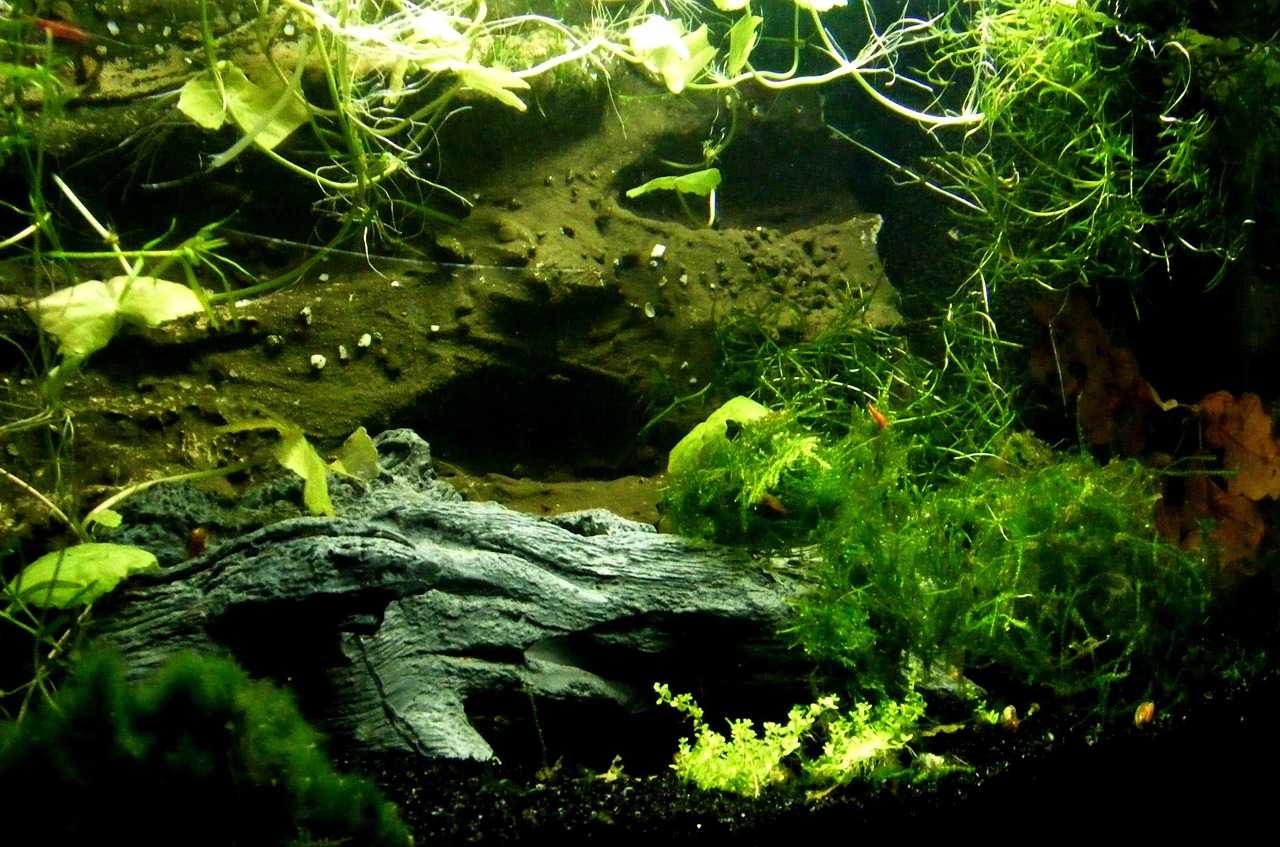
This aquascape cryptocoryne only guide is for hobbyists who want a planted tank that looks stunning with minimal fuss. At Gensou Aquascaping, based at 5 Everton Park in Singapore, we adore Cryptocoryne-only layouts because they thrive in low light, need no CO2 injection, and develop a layered, jungle-like beauty that improves with age.
Why Choose Cryptocoryne for a Single-Genus Aquascape
Cryptocorynes — often called crypts — are one of the most diverse and forgiving plant genera in the hobby. With over 60 recognised species ranging from 5 cm ground-huggers to 40 cm showpieces, you can fill every layer of a tank using nothing but crypts. They tolerate low light, grow steadily without CO2, and once established, require almost no trimming. For busy hobbyists in Singapore who want a beautiful tank without constant maintenance, crypts are the answer.
Selecting Cryptocoryne Species for Each Layer
Foreground (5–10 cm). Cryptocoryne parva is the classic choice — it stays short and forms a dense carpet over time, though patience is required as it grows slowly. Cryptocoryne x willisii is slightly taller but still compact, with attractive wavy leaves.
Midground (10–20 cm). Cryptocoryne wendtii is the workhorse of any crypt collection. Available in green, brown, red, and bronze variants, it fills the midground with textured, undulating foliage. Cryptocoryne beckettii offers similar dimensions with a more olive-green tone.
Background (20–40 cm). Cryptocoryne balansae and Cryptocoryne spiralis provide height with their long, strap-like leaves that sway gracefully in the current. Cryptocoryne crispatula var. crispatula can reach over 40 cm and makes a dramatic backdrop.
Hardscape and Layout Principles
Even in a plant-only aquascape, a few pieces of hardscape provide structure and visual anchors. One or two pieces of driftwood or a cluster of dragon stone give the eye a resting point amid the foliage. Place hardscape off-centre following the rule of thirds, then plant crypts around and behind it so the wood or stone appears to emerge naturally from the vegetation.
Group each species in clusters of at least five to seven plants. Planting in odd-numbered groups looks more natural. Transition gradually from shorter species at the front to taller ones at the rear, blending species in the midground where their heights overlap.
Substrate and Nutrients
Crypts are heavy root feeders, so a nutrient-rich substrate is essential. ADA Amazonia, Tropica Soil, or even a capped dirt substrate (the Walstad method) all work well. In Singapore, a nine-litre bag of ADA Amazonia costs around SGD 35–45 and is sufficient for a 60 cm tank. Supplement with root tabs every two to three months — Osmocote tabs or Seachem Flourish Tabs are both effective and readily available.
Liquid fertilisation is optional in a low-tech crypt tank. A modest dose of an all-in-one liquid fertiliser once a week supports growth without encouraging algae.
Lighting for a Low-Tech Crypt Tank
Crypts prefer subdued light. A standard LED fixture running at 20–40 micromoles PAR at the substrate is more than enough. In practice, this means dimming your light or using a lower-wattage fixture than you would for a stem-plant aquascape. Seven to eight hours of light per day is sufficient. Too much light promotes algae and can cause crypts to lose their deep coloration — many red crypts turn green under intense illumination.
Dealing with Crypt Melt
Nearly every crypt melts when first introduced to a new tank. Leaves turn translucent, soften, and dissolve. This is alarming but perfectly normal. The roots remain alive and will push out new leaves adapted to your water conditions within two to four weeks. Do not pull up melting plants — leave them in place, remove the decaying foliage by hand, and wait. In Singapore’s warm water temperatures of 26–30 °C, recovery is usually swift.
Maintenance and Long-Term Growth
Once established, a crypt-only tank is remarkably low-maintenance. Crypts grow slowly, so trimming is rarely needed — perhaps removing an outer leaf here and there every few weeks. Runners will spread naturally, filling in gaps and thickening clusters over six to twelve months. Thin overcrowded areas by gently pulling out entire plants and replanting elsewhere or sharing with fellow hobbyists.
Weekly water changes of 20–30 per cent maintain water quality. Siphon the substrate lightly to remove detritus, but avoid deep vacuuming that disturbs crypt roots.
Stocking Fish for a Crypt Aquascape
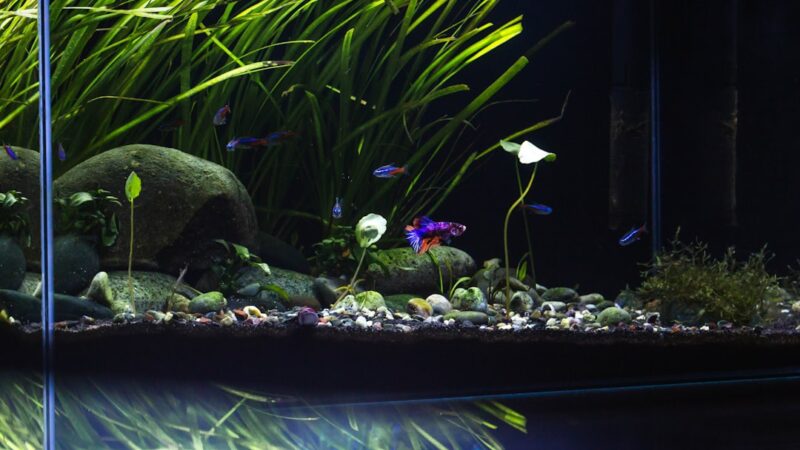
Small, peaceful species complement the tranquil aesthetic. A school of ember tetras, chili rasboras, or harlequin rasboras adds movement and colour without disrupting the plants. Corydoras species sift through the substrate without uprooting crypts. Otocinclus help control diatoms on the broad crypt leaves. Avoid large cichlids or vigorous diggers that will uproot your carefully planted layout.
Where to Source Crypts in Singapore
Most local fish shops stock common species like C. wendtii and C. spiralis. For rarer varieties such as C. nurii or C. flamingo, check specialist planted-tank shops or online groups on Carousell and Facebook. Prices range from SGD 3 for common species to SGD 15 or more for rare cultivars. Visit Gensou Aquascaping at 5 Everton Park for curated selections and planting advice tailored to your tank.
Related Reading