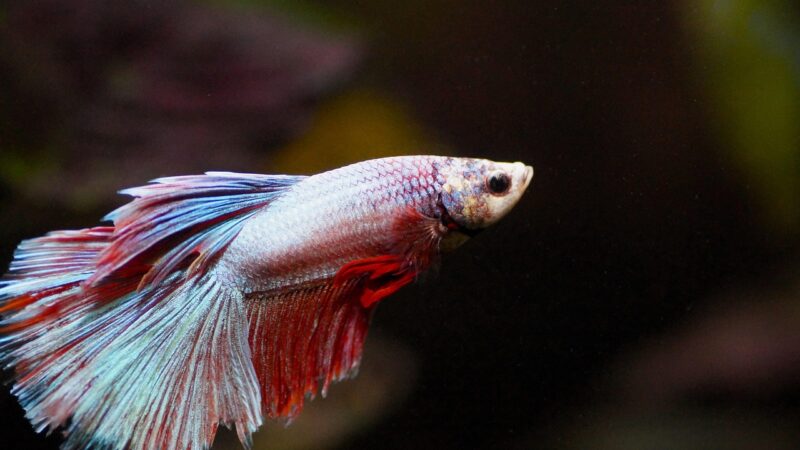
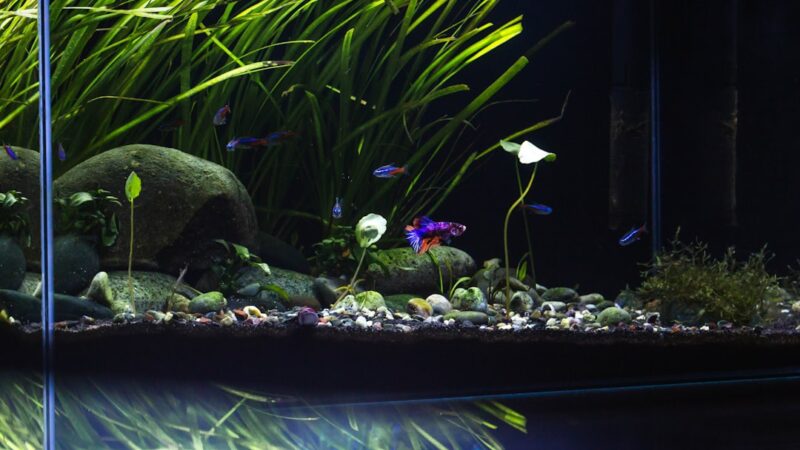
Flooded Forest Biotope Aquascape: The Amazon Igapó
A flooded forest biotope aquascape recreates one of the most atmospheric habitats on earth — the Amazonian igapo, where rivers rise several metres during the wet season and submerge entire forests. At Gensou Aquascaping, our studio at 5 Everton Park in Singapore, we find this style irresistible because it celebrates darkness, decay and the wild beauty of blackwater environments.
What Is an Igapo Flooded Forest
The igapo (sometimes spelled igapo) is a seasonally flooded blackwater forest found along tributaries of the Amazon and Rio Negro. During high water, trees stand submerged up to their canopy, and the forest floor becomes a labyrinth of roots, fallen branches and decomposing leaves. The water is stained deep amber by tannins leached from organic matter, with extremely low mineral content and a pH often below 5.0. Fish, shrimp, and insects navigate this submerged woodland in near-darkness.
Designing the Hardscape
Driftwood is the star of a flooded-forest aquascape. Use tall, branching pieces that extend from the substrate to the water surface — or even above it in an open-top tank. Spiderwood, Malaysian driftwood, and manzanita all work well. Position several upright pieces to simulate tree trunks and fill the midground with tangled roots and smaller branches. The goal is a dense, three-dimensional structure that feels like peering into a submerged thicket.
Avoid rocks entirely. The igapo floor is soft sediment and organic debris, not stone. Use a dark, fine-grain substrate — ADA Amazonia or even plain dark sand — to mimic the forest bed.
Leaf Litter and Botanicals
A generous layer of dried leaves on the substrate is essential. Indian almond leaves (ketapang) are the most popular choice and are cheap and abundant in Singapore — you can even collect them from trees in parks, though commercially dried leaves are more consistent. Catappa bark, seed pods from Terminalia and Cariniana trees, and alder cones add texture and release tannins. Spread them unevenly, allowing leaves to pile up against driftwood roots just as they would in nature.
Replace leaves as they decompose, roughly every four to six weeks. The decomposition itself supports a micro-food chain of biofilm, infusoria and detritus-feeding organisms that many fish rely on.
Achieving Blackwater Conditions
Tannins from driftwood and leaf litter will tint the water naturally, but for a deep amber hue you may need to supplement with commercial blackwater extracts or peat filtration. Rooibos tea bags placed in the filter are a popular budget method among Singapore hobbyists. The target water parameters are a pH of 4.5–6.5, GH below 4, and KH near zero. Use RO or RO/DI water to start and remineralise minimally.
Activated carbon will strip tannins, so remove it from the filter if present. Purigen is another product to avoid in this setup as it clears tannins efficiently.
Planting a Flooded Forest
Plants are sparse in the igapo, and your aquascape should reflect that. A few tufts of Microsorum pteropus (Java Fern) or Bolbitis heudelotii attached to driftwood near the surface add a touch of green without overwhelming the woody aesthetic. Floating plants like Salvinia or Amazon frogbit provide shade and complete the canopy effect. Avoid bright carpeting plants — they look entirely out of place in this habitat.
Choosing Fish and Livestock
The flooded forest is home to cardinal tetras, rummy-nose tetras, pencilfish, hatchetfish, and dwarf cichlids like Apistogramma. For a Singapore-sourced stocking list, consider:
A school of 15–20 cardinal or green neon tetras as the centrepiece. Add a pair of Apistogramma cacatuoides or A. agassizii for bottom interest. Marbled hatchetfish occupy the surface layer and are readily available at local fish shops for SGD 3–5 each. Corydoras pygmaeus or C. habrosus sift through leaf litter convincingly.
Avoid large or aggressive species. The flooded-forest atmosphere depends on subtle, schooling movement.
Lighting for Mood
Low to moderate lighting suits this biotope. The igapo floor receives filtered sunlight through a dense canopy, so a dim, warm-toned light creates the most authentic feel. Set your LED to around 3000–4000 K colour temperature and reduce intensity to 30–50 per cent of maximum. The tannin-stained water will further soften the light, creating a moody, golden glow that is genuinely captivating.
Maintenance and Long-Term Care
Water changes should be small and frequent — 10–15 per cent weekly with matched RO water — to maintain stable, soft conditions. Top up tannin sources as they deplete. Siphon the substrate gently to avoid disturbing the leaf-litter layer; a light vacuum of exposed sand is sufficient. Test pH regularly and watch for sudden swings, especially if you add fresh botanicals in bulk.
The flooded-forest biotope rewards patience. Over months, the wood darkens, biofilm coats every surface, and the entire tank matures into a living ecosystem that looks and feels wild. Visit Gensou Aquascaping at 5 Everton Park to see blackwater setups first-hand and source quality driftwood and botanicals.
Related Reading
- Borneo Peat Forest Biotope Aquascape: Blackwater and Leaf Litter
- Pantanal Flooded Grassland Biotope: Submerged Savanna
- West African Forest Stream Biotope: Kribensis and Anubias
- How to Create an African River Biotope Aquascape
- Amazon Biotope Aquarium: Blackwater, Tetras and Driftwood
A flooded-forest scene leans on submerged wood and roots, and you can take that wild, overgrown feel even further with the techniques in our cloud forest aquascape guide.
If the towering, submerged trees of a flooded forest inspired your layout, our walkthrough on how to create a forest aquascape covers the hardscape and planting that bring that woodland feel to a planted tank.