Aquascaping With Diorama Miniatures: Tiny Worlds Underwater
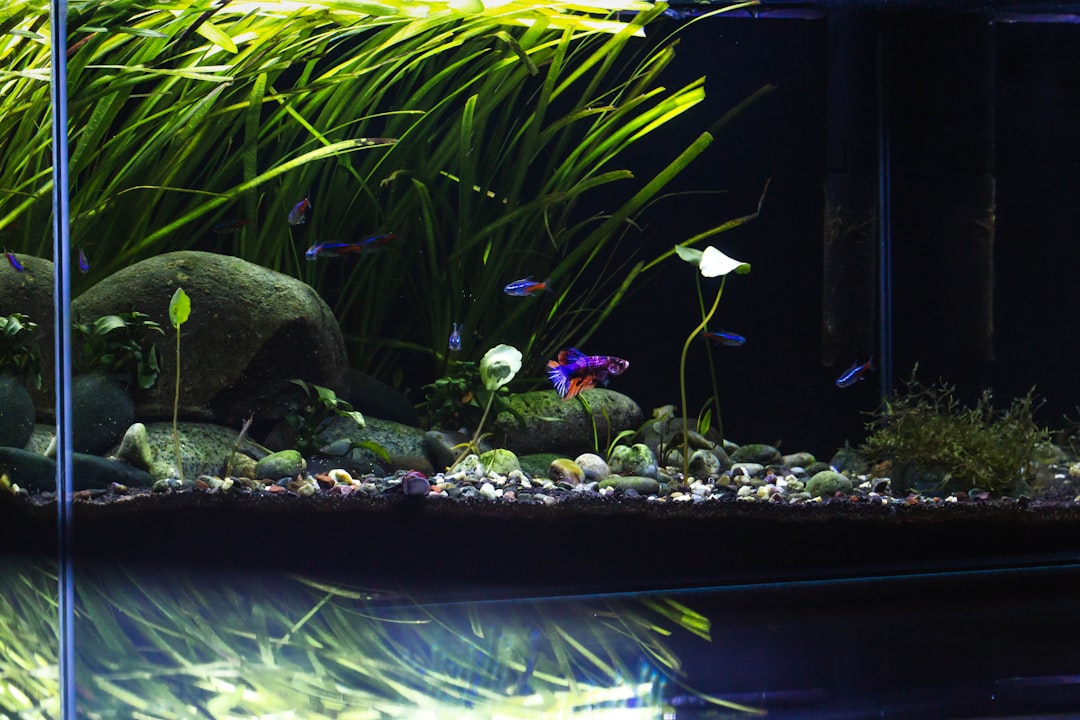
Miniature figurines, tiny buildings, and scaled-down scenery have crossed over from model railways and tabletop gaming into the aquascaping world with stunning results. An aquascape with diorama miniatures transforms a standard planted tank into a narrative scene that tells a story beneath the waterline. This creative guide from Gensou Aquascaping at 5 Everton Park, Singapore, covers material safety, scale selection, and design techniques for building your own tiny underwater world.
Why Diorama Aquascaping Captivates
Traditional aquascaping mimics nature. Diorama aquascaping reimagines it. A miniature park bench beside a moss-covered stone suddenly makes that stone a towering cliff. A tiny lantern on a path of fine sand turns a foreground into a fairy-tale trail. The forced perspective trick works because water magnifies objects by roughly 25 %, making miniatures appear closer and more immersive than they would in air. Competition aquascapers have embraced this style in recent years, with diorama entries regularly winning creative categories at international contests.
Choosing Aquarium-Safe Materials
Not all miniatures survive underwater. Painted lead figurines leach heavy metals. Cheap plastics may release plasticisers that harm fish and invertebrates. Safe options include unpainted ceramic, food-grade resin, stainless steel, and fully cured epoxy-coated pieces. Before placing any miniature in your tank, soak it in a bucket of treated water for 48 hours and test for pH shifts or discolouration. If the water turns cloudy or the paint flakes, the piece is not aquarium-safe. In Singapore, craft stores on Shopee and Lazada stock resin miniatures marketed for terrariums that are generally safe for submerged use after testing.
Getting the Scale Right
Scale consistency is the difference between a convincing diorama and a confusing jumble. Most aquascapers work in 1:87 (HO scale) or 1:150 (N scale), borrowed from model railway standards. HO scale suits tanks of 45-60 cm where miniatures remain visible without magnification. N scale works better in nano tanks under 30 litres, where smaller pieces maintain the illusion of vast distance. Mixing scales destroys the forced perspective effect, so commit to one ratio and source all your miniatures accordingly.
Integrating Miniatures With Plants
Plants serve as the scaled-up landscape around your miniatures. Mosses like Taxiphyllum barbieri and Riccardia chamedryfolia become lush forests at miniature scale. Hemianthus callitrichoides ‘Cuba’ carpets read as manicured lawns. Bucephalandra leaves stand in for tropical broadleaf trees. Position miniatures after planting, pressing them gently into the substrate so they sit naturally rather than perching awkwardly on top. A figurine half-hidden by moss looks like it belongs; one sitting on bare soil looks placed.
Hardscape as Architecture
Rocks and driftwood become mountains and ancient trees in a diorama context. Select pieces with dramatic vertical profiles: a tall, narrow dragon stone shard becomes a skyscraper-like cliff face beside a 2 cm figurine. Thin branching twigs of spiderwood mimic giant bare trees. Sand paths winding between stones create roads or rivers within the scene. The hardscape does most of the spatial storytelling, while miniatures add the human or fantastical element that triggers the viewer’s imagination.
Lighting for Atmosphere
Directional lighting enhances diorama depth dramatically. A single-point LED bar creates shadows behind rock structures that add three-dimensionality. Warm-toned light at 6500-7000K produces a golden atmosphere reminiscent of sunlit clearings, while cooler tones above 8000K suggest moonlight or underwater depth. Some advanced builders add small waterproof LED spotlights inside caves or behind key miniatures for a dramatic focal glow. Even without specialist lights, angling your existing fixture toward the diorama’s focal point improves the visual narrative.
Maintenance Around Miniatures
Algae grows on miniatures just as it grows on rocks and glass. Soft-bristle toothbrushes and cotton buds reach into detailed crevices during water changes. Amano shrimp and nerite snails graze biofilm off smooth resin surfaces naturally. Avoid using algaecides near painted miniatures, as chemical treatments may accelerate paint degradation. If a piece develops persistent algae, remove it temporarily, scrub gently with hydrogen peroxide, rinse thoroughly, and return it to the tank.
Designing Your First Diorama Scape
Start with a simple concept: a single path, one or two figurines, and a clear focal point. Overloading a tank with miniatures creates visual clutter rather than narrative clarity. Let the plants and hardscape do most of the work, using miniatures as accent pieces that reward close inspection. A well-executed diorama miniature aquascape draws viewers in and holds their attention far longer than a conventional layout. Gensou Aquascaping can help you source safe materials and design a scene that brings your imagination to life underwater.
Related Reading