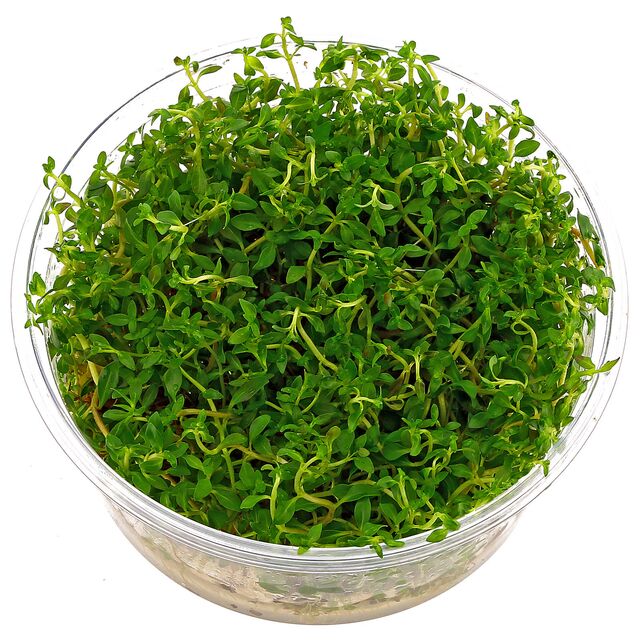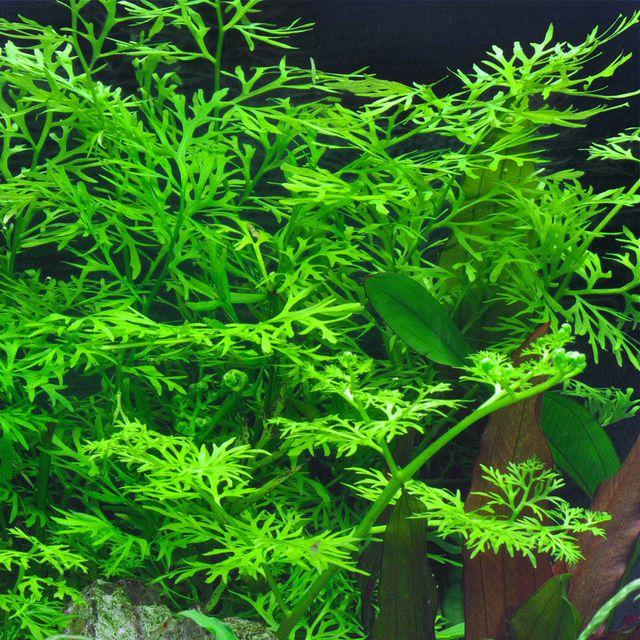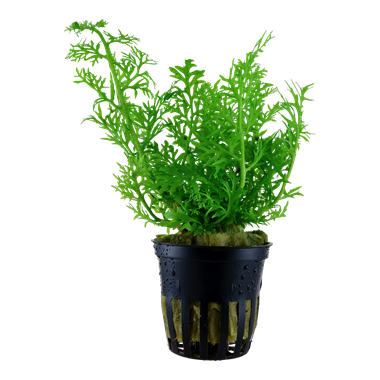
TCulture Rotala Wallichii (Pot/TC Cup)
You save
Out of stock
Ask on WhatsAppDescription
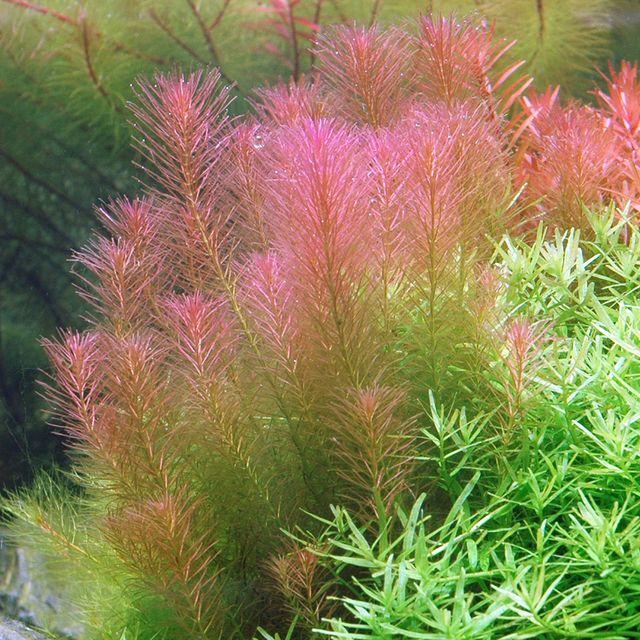
A fine-leaved, relatively small, reddish to pink rather demanding stem plant. It is most decorative when planted in a group of many stems. It is also suitable as foreground plant and for smaller tanks, given that it is trimmed at the right time. The addition of CO2 enhances growth significantly. It prefers soft slightly acidic water.
Complete botanical name
Rotála wallíchii (Hook. f.) Koehne
Family
Lythraceae
Genus
Rotala
Difficulty
difficult
Usage
Accent (red), Background, Midground, Nano tanks
Aquascaping
fine-leaved, very colourful plant for accents
Growth
fast
pH value
5 – 7
Temperature tolerance
15 – 30°C
Carbonate hardness
0 – 12°dKH
General hardness
0 – 30°dGH
Propagation
Cuttings
Can grow emersed?
yes
Growing Rotala Wallichii in Singapore Tanks
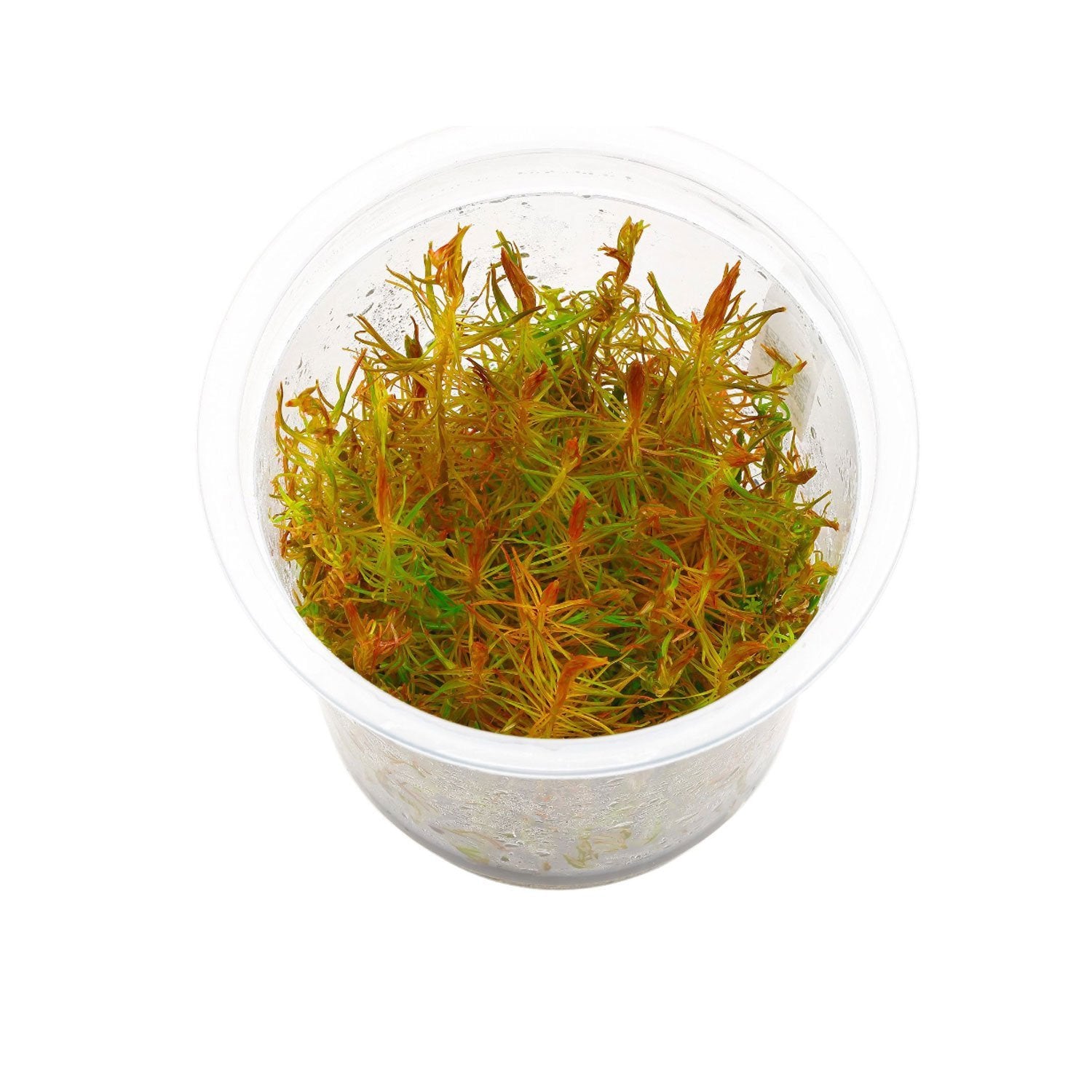
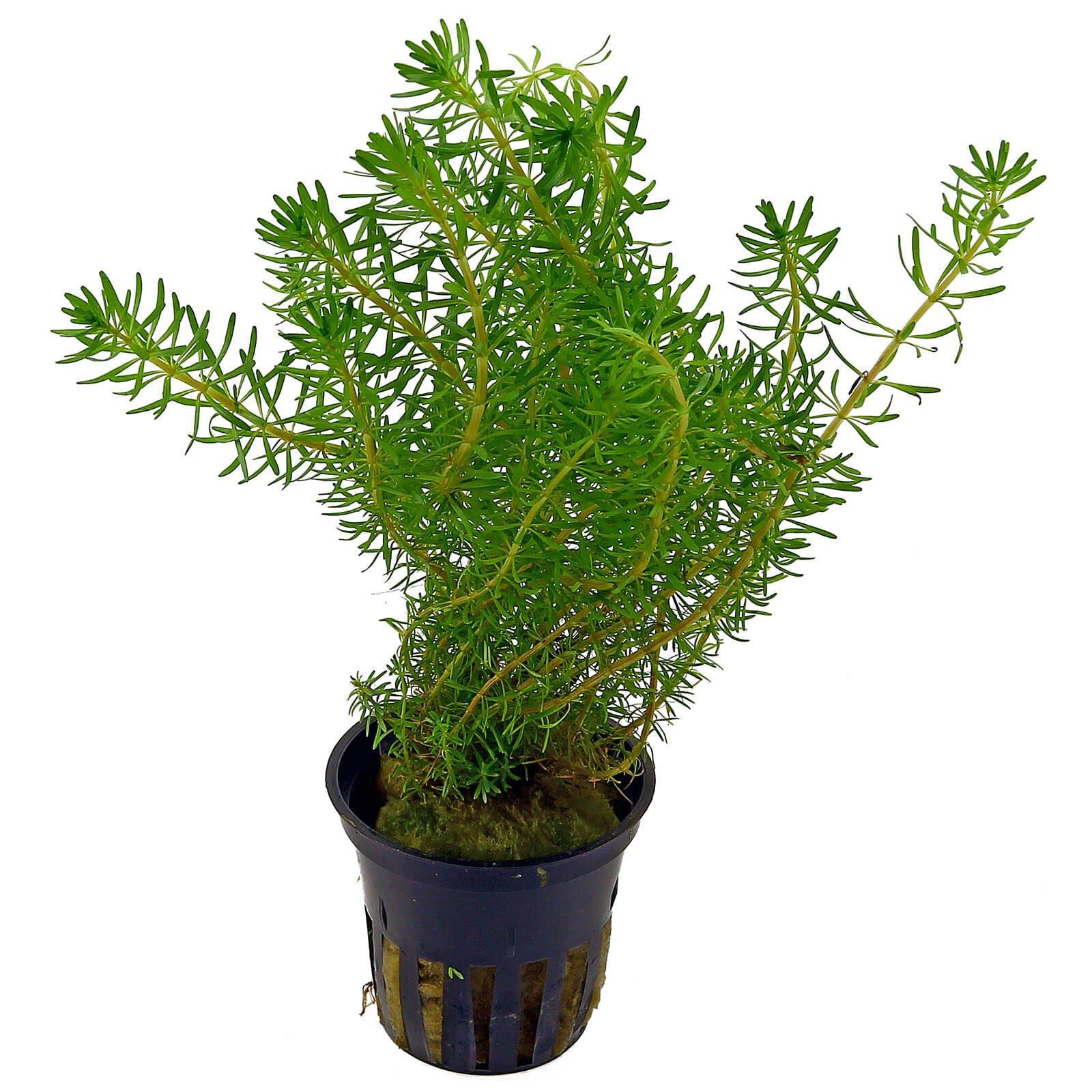
Wallichii is one of the most striking pink-to-red stems you can grow, but it asks for a bit of effort here. The tissue-culture cup arrives clean and pest-free, which we like because it skips the snails and algae spores that often hitch a ride on emersed pot plants. Trim away any emersed-form tips and let the submersed needle-leaves take over. Plant in dense groups so the feathery stems support each other rather than splaying.
Our chloraminated tap water runs soft and slightly acidic, which actually suits this species well, so a good remineraliser and gentle dechlorination get you most of the way. Pressurised CO2 makes the biggest difference for both growth speed and that pink-red flush. Strong lighting at the top of the tank pulls the best colour, while nitrogen kept moderately low keeps the tips from greening out.
For more on this exact plant, see our Rotala wallichii care guide and colour tips under high light; pair it with our aquarium CO2 guide. Browse more background plants to fill out the rear of your scape.