
Best Algae Scrubbers and Turf Scrubbers for Aquariums
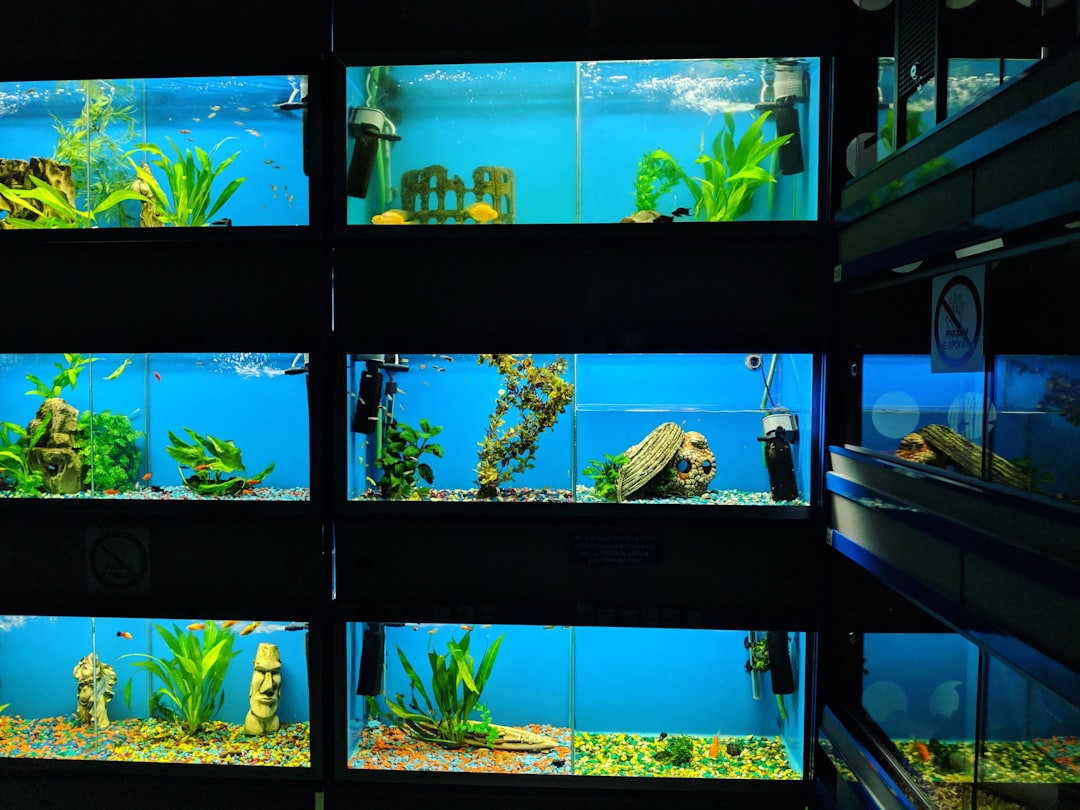
Algae is the bane of every aquarist’s existence, yet it also serves as a powerful tool for nutrient export when harnessed correctly. Finding the best algae scrubber aquarium solution can transform your tank’s water quality, reduce nitrates and phosphates naturally, and cut down on water changes. At Gensou Aquascaping at 5 Everton Park, we have tested numerous algae scrubber systems across freshwater and marine setups, and this guide shares what we have learnt about keeping tanks pristine the natural way.
What Is an Algae Scrubber and How Does It Work?
An algae scrubber, sometimes called an algae turf scrubber (ATS), is a filtration device that deliberately grows algae on a screen or surface outside the display tank. Water from the aquarium flows over a rough mesh illuminated by strong lighting. Algae colonise the screen and, as they photosynthesise, they absorb dissolved nitrates, phosphates and other organic compounds. You periodically harvest the algae growth, physically removing those nutrients from the system. The concept mimics natural reef flats and river margins where algae act as biological filters.
Upflow vs Waterfall Algae Scrubbers
There are two main designs on the market. Waterfall scrubbers drip water over a vertically hung screen lit from both sides. They are effective but can be noisy due to splashing and may produce salt spray in marine setups. Upflow scrubbers push water upward through a submerged screen inside an enclosed chamber. They are quieter, more compact, and increasingly popular among hobbyists in Singapore where space is at a premium. Both styles achieve the same nutrient-export goal, but upflow models tend to be easier to fit into cabinet sumps or hang-on-back configurations.
Key Features to Look For
When shopping for an algae scrubber, consider the following criteria. First, the screen material should be a rough, durable plastic mesh that allows algae to attach firmly. Second, the lighting must provide sufficient intensity in the red and blue spectra to drive photosynthesis. Many quality units now use dedicated grow LEDs rated at 660 nm red. Third, check the recommended tank volume rating. Undersizing a scrubber leads to disappointing results, so aim for a unit rated at or above your actual water volume. Finally, ease of cleaning matters. A scrubber that is awkward to disassemble will soon be neglected.
Top Algae Scrubber Brands Worth Considering
Santa Monica Filtration is widely regarded as the pioneer of modern hobbyist algae scrubbers. Their HOG (Hang-On-Glass) and UAS (Upflow Algae Scrubber) lines cover tanks from 100 litres to over 1,000 litres. For budget-conscious hobbyists, DIY kits with acrylic enclosures and clip-on grow lights can be assembled for under SGD 80. Brands such as Turbo’s Aquatics and ClearWater also offer ready-made units that ship internationally. Local reef forums and marketplace groups in Singapore often have second-hand scrubbers at attractive prices.
Sizing Your Scrubber for Singapore Conditions
Singapore’s warm ambient temperatures, typically 28 to 32 degrees Celsius, accelerate biological processes in the aquarium, including algae growth inside and outside the tank. This actually works in your favour when running a scrubber, as the algae on the screen grow faster and export nutrients more aggressively. A general guideline is one square inch of lit screen per four litres of tank water for a lightly stocked tank, and per two litres for a heavily stocked or feeding-heavy system. Overfeeding is common in community tanks, so err on the larger side.
Setting Up and Breaking In Your Scrubber
New scrubbers require a break-in period of two to four weeks. During this time, slime algae will coat the screen before firmer turf algae establish. Do not scrub the screen clean during break-in; simply let it mature. Once green turf algae appear, harvest by gently scraping roughly 80 per cent of the growth, leaving some behind to reseed. Clean the scrubber on a weekly to fortnightly cycle, alternating sides if it is a dual-lit waterfall model, so that one side always retains a mature culture.
Common Mistakes to Avoid
One frequent error is running the scrubber lights 24 hours a day. Algae, like all plants, benefit from a dark period. A photoperiod of 18 hours on and 6 hours off is a solid starting point. Another mistake is using the scrubber as a sole filtration method and removing the existing biological filter too quickly. Keep your canister or sump media running alongside the scrubber for at least two months before considering any reduction. Lastly, avoid placing the scrubber where ambient room light can interfere with the controlled photoperiod.
Final Thoughts
An algae scrubber is one of the most underrated pieces of aquarium equipment available to hobbyists today. It reduces chemical dosing, lowers the frequency of water changes and creates a more stable environment for livestock. Whether you opt for a commercial unit from Santa Monica or build your own from acrylic and grow LEDs, the investment pays off quickly. Drop by Gensou Aquascaping at 5 Everton Park for hands-on advice on integrating a scrubber into your existing filtration setup.
Related Reading



