Best Algae Cleaning Robots for Aquariums
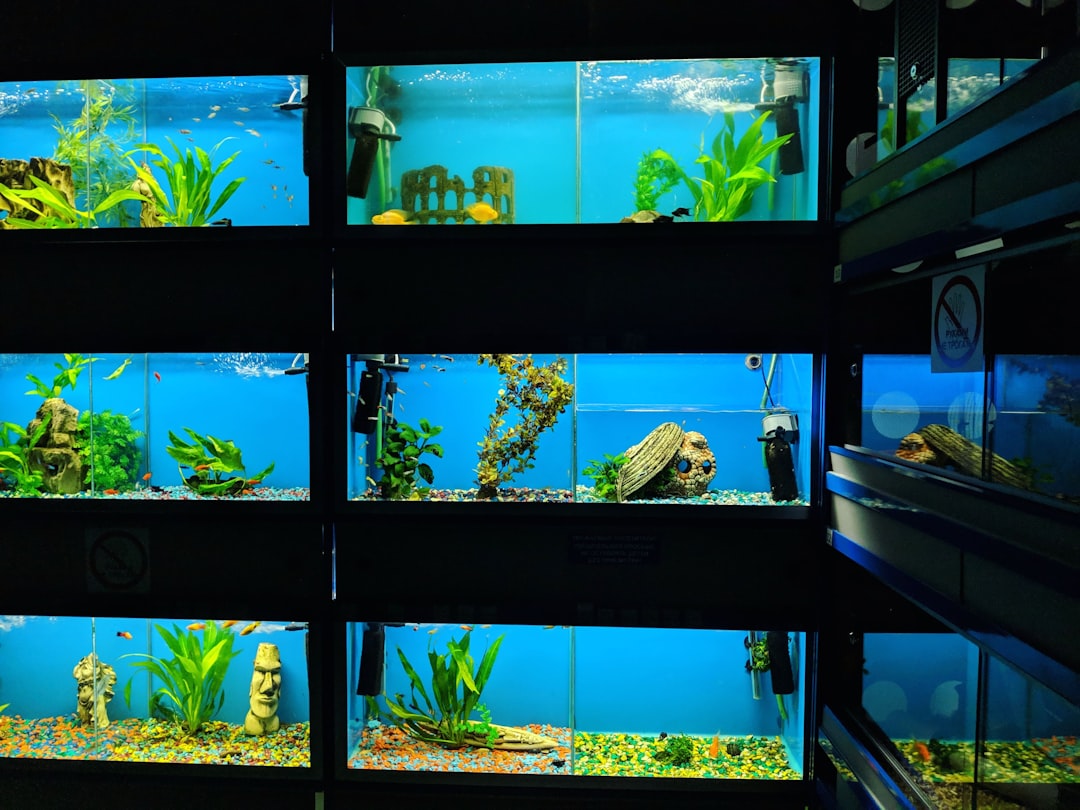
Scraping algae off aquarium glass is the chore most hobbyists dread — and the one most likely to be neglected. Algae cleaning robots automate this tedious task, crawling your glass panels while you focus on more enjoyable aspects of the hobby. Finding the best algae cleaning robot aquarium model means matching the unit to your glass thickness, tank size, and algae type. Gensou Aquascaping at 5 Everton Park, Singapore, has tested several generations of these devices across client installations ranging from 100-litre planted tanks to 600-litre reef systems.
How Aquarium Algae Robots Work
Most aquarium cleaning robots use a magnetic coupling system: an internal unit sits inside the tank on the glass, held in place by an external magnet. The internal unit carries a scrubbing pad or blade that removes algae as it moves. Movement is either motorised (battery or cable-powered) or manual (you guide the external magnet by hand). Fully automated models follow programmed paths or use sensors to navigate the glass panes without input.
True robotic models are relatively new to the hobby. Earlier “magnetic cleaners” required manual guidance — effective but not automated. The distinction matters: a magnetic scraper you move by hand is a tool, not a robot. This guide focuses on units that move independently.
Robosnail: The Original Aquarium Robot
The Robosnail was one of the first automated glass cleaners designed specifically for aquariums. It uses a magnetic mount with a motorised internal unit that travels a preset vertical path, scrubbing the glass from bottom to top before resetting. It handles green film algae and light diatom coatings effectively on glass up to 12 mm thick.
Limitations are real: it cleans one vertical stripe at a time and must be manually repositioned for each pass. It struggles with hard green spot algae and coralline algae. For a lightly stocked planted tank where algae growth is mainly soft film, the Robosnail is adequate. For heavy-duty cleaning, it falls short. Expect to pay $80-$130 if you can find one locally or on international aquarium retailers.
Flipper Mag-Float With Scraper Blade
While not a robot in the autonomous sense, the Flipper magnetic cleaner deserves mention because its dual-surface design — soft pad on one side, metal scraper blade on the other — tackles both soft and hard algae. You flip it 180 degrees by twisting the external magnet. Models are available for glass thicknesses from 6 mm to 25 mm, covering most aquariums. Priced at $40-$80 depending on size, available at most Singapore aquarium shops and on Shopee.
The Flipper is manually operated, so it is not automated. However, its effectiveness against stubborn algae types means many hobbyists use it alongside an automated unit — the robot handles daily film algae, and the Flipper tackles the tougher spots weekly.
Newer Automated Options
Recent entrants include small magnetic robots from brands like Aquagenesis (makers of the KLIR automated filter roller) that use track-following or random-pattern navigation. These units attach magnetically and traverse the glass autonomously over several hours, scrubbing as they go. Battery life typically ranges from 2-4 hours per charge, covering a 120 cm tank panel in a single session.
For reef tanks, the REEFBOT platform (primarily a water testing robot) is sometimes paired with glass-cleaning attachments in custom setups, though this is niche and expensive — $500+ for the base unit. As the technology matures, more affordable and capable aquarium cleaning robots are entering the market annually. Check current availability on Lazada and specialist online retailers.
Matching the Robot to Your Glass
Glass thickness determines which magnetic cleaner or robot will work for your tank. Standard aquariums in Singapore use 6-8 mm glass for tanks up to 120 litres, 10-12 mm for 200-400 litres, and 15-19 mm for larger custom builds. Low-iron (ultra-clear) glass has the same magnetic properties as standard glass, so thickness is the only variable. Acrylic tanks require softer pads — metal scrapers and stiff bristles will scratch acrylic irreparably.
Always verify the manufacturer’s glass thickness rating before purchase. An undersized magnet on thick glass will fall off mid-clean, potentially crashing onto corals or hardscape below. An oversized magnet on thin glass creates excessive pressure that can scratch the surface or crack the panel under stress.
Limitations and Realistic Expectations
No current aquarium robot eliminates manual cleaning entirely. They handle soft film algae and light diatom coatings well but cannot tackle hard green spot algae, black beard algae, or coralline encrustation. Corners, silicone seams, and areas behind equipment remain inaccessible to all magnetic-based devices. You will still need a handheld scraper or razor blade for detail work.
The best algae cleaning robot aquarium approach treats automation as a supplement, not a replacement. A robot running daily keeps the front glass presentable between your weekly manual deep cleans. For busy hobbyists — or for commercial installations maintained by Gensou Aquascaping — this combination of automated daily passes and periodic human attention keeps glass crystal clear with minimal effort.
Related Reading