
Best ATO Reservoir Containers for Aquarium Top-Off Systems
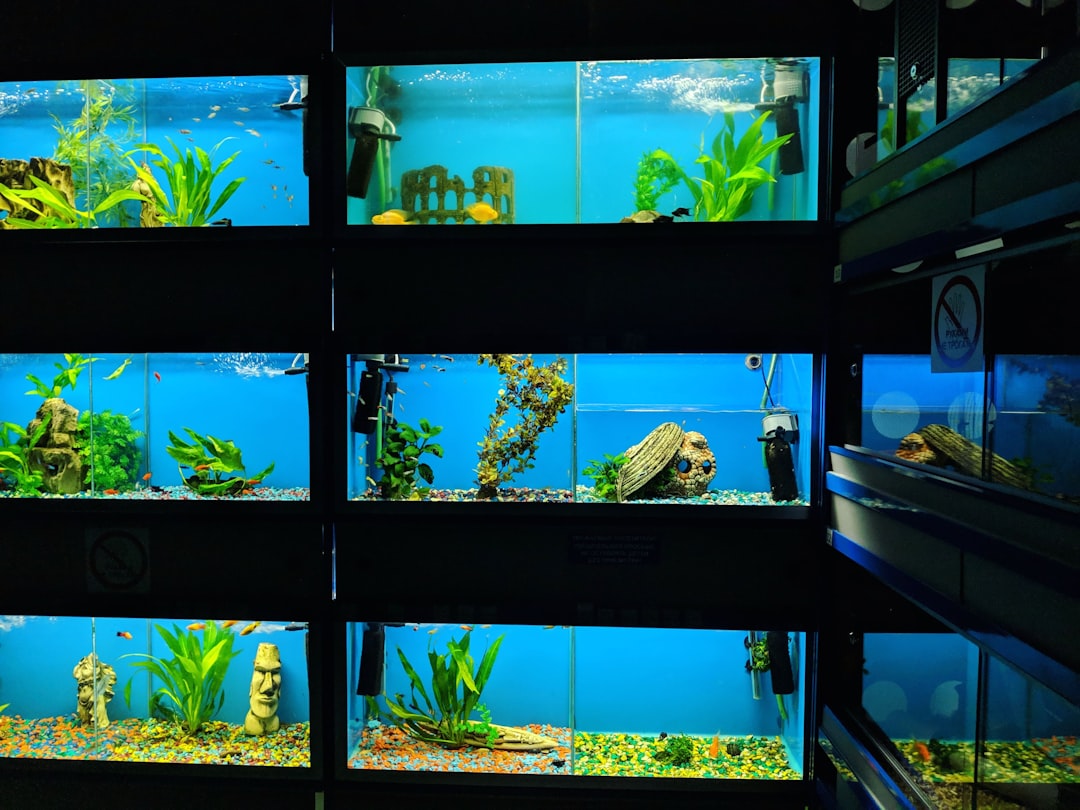
Evaporation is relentless in Singapore. With ambient temperatures regularly hitting 30-32°C and humidity swinging between downpours and air-conditioned dryness, an open-top aquarium can lose 2-4 litres of water per day. An auto top-off system keeps salinity and water levels stable, but it is only as reliable as the reservoir feeding it. Picking the best ATO reservoir container for your aquarium means balancing capacity, material safety and practical placement in often-cramped living spaces. Gensou Aquascaping in Singapore has set up hundreds of ATO systems over more than 20 years, and the reservoir choice matters more than most hobbyists realise.
Why the Reservoir Container Matters
The ATO pump draws from this container, so if it runs dry, your water level drops and the pump runs empty, potentially burning out. If the container is too large, stale water sits for weeks, growing biofilm and potentially dosing bacteria back into the tank. Getting the size right means matching the container to your evaporation rate and refill schedule.
Sizing Your ATO Reservoir
Measure your daily evaporation by marking the sump water level, turning off the ATO for 24 hours and checking the drop. Multiply that daily loss by the number of days between your planned refills. A 120 cm open-top tank in a non-air-conditioned HDB room might lose 3 litres per day. If you refill weekly, a 25-litre container gives you a comfortable buffer with a few litres to spare.
Avoid going excessively large. Water sitting in a warm reservoir for more than 10 days can develop a musty smell and bacterial growth. Aim for a container that lasts 5-7 days in your specific conditions.
Best Materials for ATO Reservoirs
Food-grade HDPE (high-density polyethylene) is the safest and most common choice. Look for containers marked with the recycling symbol 2 inside the triangle. HDPE does not leach chemicals, resists UV degradation and is lightweight. White or opaque containers are preferable because they block light, slowing algae growth inside.
Glass carboys or demijohns look clean and leach nothing, but they are heavy, fragile and harder to refill. Acrylic containers work well but scratch easily and can develop algae on the inner walls if exposed to light. Avoid using repurposed containers that previously held detergent or non-food chemicals, even after washing.
Top Container Options Available Locally
The Toyogo HDPE water container comes in 10, 20 and 30-litre sizes and is widely available at Shopee and hardware shops like Home-Fix for $8-$18. The wide mouth makes refilling and cleaning simple. For a neater look, the Muji acrylic tank in smaller sizes works as a stylish desktop ATO reservoir for nano setups.
Dedicated aquarium ATO reservoirs from brands like Innovative Marine and Trigger Systems offer built-in float switches, tubing ports and lid locks. The Trigger Systems ATO reservoir in 19 litres runs around $60-$80 and fits neatly inside most aquarium cabinets. These purpose-built options save time on drilling and fitting but cost significantly more than a simple HDPE container with a drilled lid.
Placement and Plumbing Tips
Keep the reservoir below the sump water level or at the same height to prevent gravity siphoning if the ATO pump check valve fails. Inside the aquarium cabinet is the most common position. Ensure the lid seals well to keep dust, insects and curious pets out. A small hole for the pump tubing and an air vent are all that is needed.
Use 6 mm or 8 mm tubing between the reservoir and the ATO pump. Shorter tubing runs reduce priming issues and improve pump response time. Secure the tubing with a clip inside the reservoir so it draws from the bottom, ensuring you use all the water before a refill.
Preventing Biofilm and Algae
Rinse and scrub the ATO reservoir container every time you refill it. A bottle brush and hot water are sufficient. Opaque or dark-coloured containers reduce light penetration and slow algae dramatically. If you use RO/DI water, biofilm growth is minimal, but tap water top-offs introduce nutrients that feed growth.
In Singapore, PUB tap water is chloramine-treated, which inhibits bacteria initially but breaks down within a day or two in a warm container. If you top off with tap water, treat it with a dechlorinator before filling the reservoir.
Fail-Safe Measures
Always pair your ATO system with a secondary float switch or optical sensor as a backup. If the primary sensor fails in the “on” position, the pump runs continuously and floods your tank with fresh water, crashing salinity in marine setups or diluting fertilisers in planted tanks. A secondary sensor mounted a few millimetres above the primary cuts power if the water level rises too high. This small precaution can save an entire tank of livestock.
Related Reading



