
Best Carbon Dosing Pumps for Aquarium Biopellet Reactors
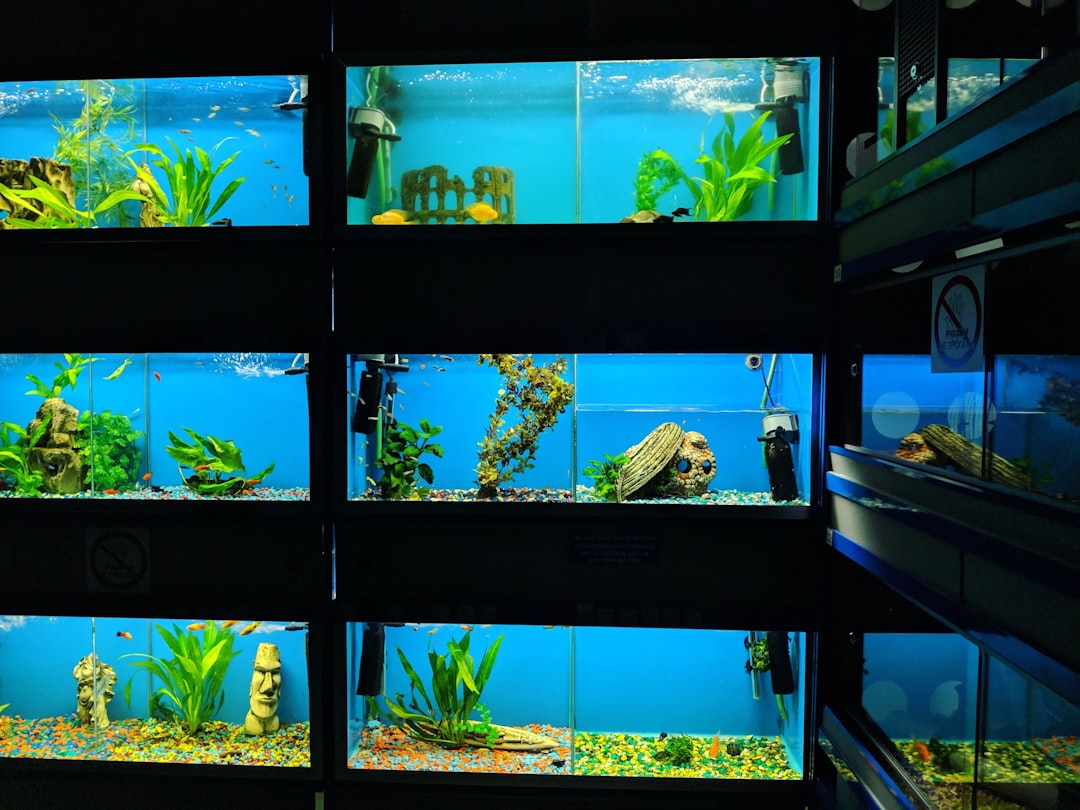
Carbon dosing through biopellet reactors has become a popular method for controlling nitrate and phosphate in marine and heavily stocked freshwater tanks, but the technique only works when the dosing pump delivers a precise, consistent flow. The best carbon dosing pump for your aquarium needs to handle low flow rates accurately, resist clogging and run reliably around the clock. At Gensou Aquascaping in Singapore, we have helped hobbyists set up carbon dosing systems for reef and planted tanks alike, drawing on over 20 years of practical experience.
How Carbon Dosing Works
Carbon dosing feeds an organic carbon source, typically vodka, vinegar or solid biopellets, to beneficial bacteria. These bacteria consume nitrate and phosphate as they multiply, and a protein skimmer or mechanical filter then exports the bacterial biomass from the water. The key is consistency. Irregular dosing causes bacterial population swings that cloud the water or starve the colony.
Peristaltic Pumps for Liquid Carbon Dosing
Peristaltic dosing pumps are the standard for liquid carbon methods. They squeeze tubing with a roller mechanism, delivering precise volumes per revolution without the liquid ever touching the pump internals. This makes them ideal for dosing vinegar or vodka solutions that would corrode other pump types.
The Kamoer FX-STP is a favourite among Singapore reefers. It offers WiFi control, doses as little as 0.5 ml per cycle and costs around $80-$100 on Shopee. The Jebao DP-4 provides four channels at a lower price point of $50-$70, letting you dose carbon alongside calcium, alkalinity and magnesium from one unit. For single-channel simplicity, the GHL Doser 2.1 delivers laboratory-grade accuracy but commands a premium of $200 and above.
Pumps for Biopellet Reactors
Biopellet reactors need a feed pump rather than a dosing pump. The pump circulates sump water through the reactor continuously, tumbling the pellets gently. Flow rates of 300-600 L/h suit most reactors sized for tanks between 200 and 500 litres. A small submersible pump like the Sicce Syncra Silent 1.0 or Eheim CompactON 600 handles this job efficiently.
The critical detail is directing the reactor outflow past the protein skimmer intake. Bacteria-laden water must reach the skimmer promptly, or the exported nutrients simply recirculate. Position the reactor output within 10-15 cm of the skimmer intake in the sump.
Dosing Accuracy and Calibration
Calibrate your dosing pump monthly. Fill a graduated cylinder, run the pump for a set time and compare the actual volume dispensed against the programmed amount. Peristaltic tubing stretches over months, gradually reducing output per revolution. Replace the tubing every 6-12 months or when calibration drift exceeds 10%.
Start carbon dosing at half the recommended rate and increase slowly over two to four weeks. Rapid increases risk a bacterial bloom that crashes oxygen levels overnight. In Singapore’s warm water, bacterial metabolism runs faster than in cooler climates, so conservative ramp-up is especially important here.
Safety Features to Look For
A good carbon dosing pump should offer programmable schedules, ideally splitting the daily dose into multiple small additions rather than one large dump. Look for models with anti-siphon valves or check valves to prevent back-flow when the pump stops. WiFi or Bluetooth connectivity lets you adjust schedules from your phone, handy when you are away from home.
Leak detection trays under the dosing containers are an inexpensive insurance policy. Vinegar or vodka solutions spilling onto an HDB kitchen counter overnight create an unpleasant mess and a potential slip hazard.
Maintenance and Tubing Replacement
Peristaltic tubing is the consumable part of the system. Silicone tubing lasts longer than standard PVC but costs more. Norprene tubing offers the best chemical resistance for acidic solutions like vinegar. Keep a spare set of tubing ready so you can swap without downtime.
Flush the dosing lines with RO water once a month to prevent biofilm buildup inside the tubing. Biofilm narrows the bore and reduces dosing accuracy. A quick five-minute flush keeps the system running true and your nitrate export on track.
Choosing the Right Setup for Your Tank
For liquid carbon dosing on a budget, the Jebao DP-4 covers most hobbyists’ needs. Serious reefers who want app control and fine-grained scheduling should consider the Kamoer FX-STP. Biopellet reactor users need a separate feed pump sized for their reactor’s flow requirements. Whichever route you take, consistency and gradual ramp-up are the keys to success with carbon dosing in any aquarium.
Related Reading



