
Best Dosing Pumps for Aquarium Fertiliser Automation
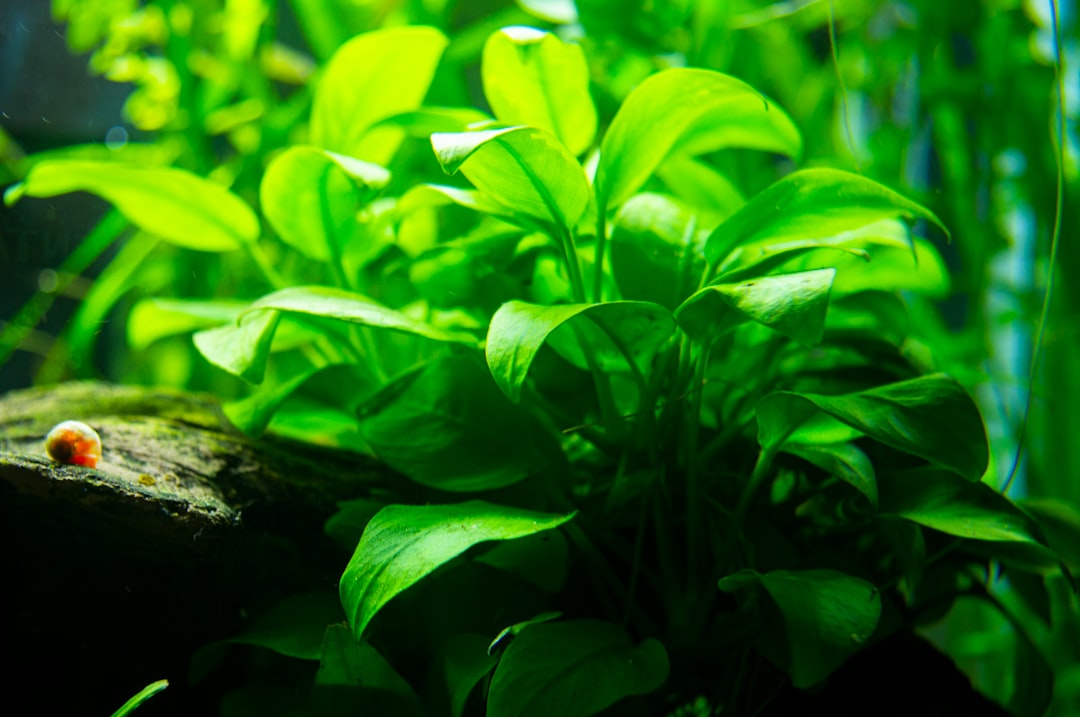
Consistent fertiliser dosing separates thriving planted tanks from ones that plateau with patchy growth and algae. Manual dosing is fine until you travel, forget a day, or simply tire of the daily routine. The best dosing pump for aquarium fertiliser automates this process with millilitre-level precision, ensuring your plants receive exactly what they need every single day. Gensou Aquascaping at 5 Everton Park, Singapore, uses dosing pumps on most of our maintained client tanks, and we have tested the major options extensively.
Why Automate Fertiliser Dosing
Plants absorb nutrients continuously, not in weekly bursts. Daily micro-dosing maintains stable nutrient levels in the water column, reducing the feast-and-famine cycle that triggers algae when excess nutrients go unused. A dosing pump dispenses a programmed volume at a set time each day, typically 1-10 ml depending on tank size and fertiliser concentration. Consistency matters more than quantity: 5 ml daily outperforms 35 ml once a week for uptake efficiency and algae prevention.
Kamoer FX-STP: Budget Favourite
The Kamoer FX-STP is a single-channel peristaltic pump with WiFi connectivity, controllable through a smartphone app. It doses with reasonable accuracy at around plus or minus 5% per dispense. Priced at $50-70 on Shopee, it handles one fertiliser solution. For an all-in-one liquid fertiliser like Tropica Premium or APT Complete, a single channel is sufficient. Build quality is acceptable for the price, though the tubing tends to stretch after 6-8 months and needs replacement to maintain accuracy. Calibrate monthly by measuring actual output against programmed volume.
Jebao DP-4: Multi-Channel Value
The Jebao DP-4 provides four independent dosing channels in one unit, each programmable for different volumes and schedules. This suits hobbyists running separate macro and micro fertiliser solutions, potassium supplements, or liquid carbon. At $80-120 in Singapore, it offers excellent value per channel. The interface is basic but functional. Accuracy sits around plus or minus 8%, adequate for planted tank fertilisation where precise pharmaceutical-grade dosing is unnecessary. Position the unit above water level to prevent back-siphoning.
GHL Doser 2.1: Premium Precision
For serious planted tank enthusiasts and professional aquascapers, the GHL Doser delivers accuracy within plus or minus 1% and integrates with GHL’s ProfiLux controller ecosystem. Each head is independently calibrated and the software allows complex scheduling, including variable doses on different days. At $300-500 for a two-channel unit, it is a significant investment. The build quality justifies the price: medical-grade tubing, robust stepper motors, and a metal housing designed for years of continuous operation. Gensou Aquascaping uses GHL dosers on our premium client installations.
Installation Tips for Reliable Operation
Mount the pump above the tank on a wall bracket or shelf to prevent gravity-driven siphoning when the pump is off. Use check valves as additional insurance. Route tubing so it enters the tank near the filter output, where flow distributes the fertiliser quickly. Secure tubing ends with a suction cup holder to prevent them from slipping out of the tank. In Singapore’s humid climate, moisture can corrode exposed electronics, so keep the pump unit ventilated and away from splash zones. Label each tube clearly if running multiple channels with different solutions.
Calibration and Maintenance
All peristaltic pumps require periodic calibration because tubing elasticity changes over time. Once a month, run the pump into a measuring cylinder and compare the actual output to the programmed volume. Adjust the calibration factor in the software accordingly. Replace tubing every 6-12 months depending on usage frequency and fertiliser acidity. Flush tubes with clean water if switching fertiliser brands to prevent chemical reactions between old and new solutions. Clean the pump rollers annually to remove any dried fertiliser residue that affects tubing compression.
Choosing the Right Fertiliser for Pump Dosing
Concentrated all-in-one fertilisers work best for single-pump setups. APT Complete, Tropica Premium Nutrition, and Seachem Flourish Comprehensive are popular choices in Singapore, priced between $15 and $30 per bottle. For multi-channel pumps, separate your macronutrients (nitrogen, phosphorus, potassium) from micronutrients (iron, manganese, boron) to prevent precipitation in the container. Never mix fertiliser solutions that were not designed to be combined, as precipitates clog pump tubing and reduce nutrient availability.
Is a Dosing Pump Worth It?
For tanks under 30 litres with simple planting, manual dosing with a syringe is quick and sufficient. Once you exceed 60 litres with demanding species like Rotala, Ludwigia, or carpet plants requiring CO2, the consistency of automated dosing delivers visible improvements in growth rate, colour intensity, and algae suppression. Factor in the peace of mind during travel: your plants receive their nutrients on schedule whether you are home or away for a week. For most serious planted tank hobbyists, a dosing pump pays for itself in healthier plants and reduced algae within the first few months.
Related Reading



