
Best Fertiliser Dispensers and Pumps for Aquariums
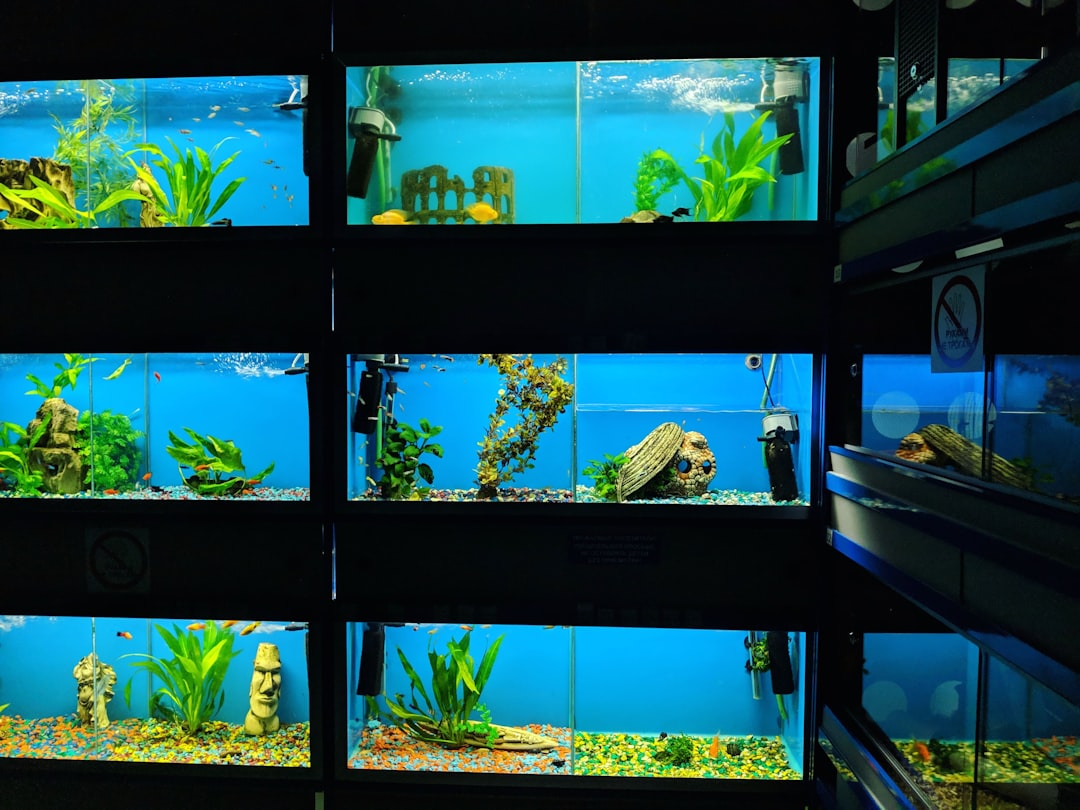
Selecting the best fertiliser dispenser aquarium tool ensures your aquatic plants receive consistent, accurate doses of nutrients every day. At Gensou Aquascaping, located at 5 Everton Park in Singapore, we have tested numerous dosing methods over the years and can confidently recommend the most reliable options for planted tank enthusiasts.
Why Consistent Dosing Matters
Aquatic plants absorb nutrients continuously throughout the photoperiod. A single large weekly dose creates nutrient spikes followed by deficiency troughs, which can trigger algae blooms and poor plant health. Smaller, more frequent doses keep nutrient levels stable, and an automated dispenser makes this effortless. In Singapore’s warm climate, where plant metabolism runs faster due to higher water temperatures, consistent dosing becomes even more critical.
Types of Fertiliser Dispensers
The market offers three main categories. Manual dosing pumps are handheld bottles with a calibrated pump head that dispenses a fixed volume per press, typically 1 ml or 2 ml. Automatic dosing pumps are electronic devices that connect to a timer and dispense preset volumes at scheduled intervals. Drip-style dispensers use gravity to release fertiliser slowly from a reservoir into the tank.
Each type suits different budgets and tank sizes. Manual pumps are the most affordable and work well for single-tank hobbyists who dose once daily. Automatic pumps are ideal for anyone running multiple tanks, travelling frequently, or simply wanting hands-free precision. Gravity drip systems are a middle ground but can be inconsistent if not carefully calibrated.
Top Manual Dosing Pumps
The most popular manual option is the press-top dosing bottle, commonly sold by brands like Seachem and APT. These bottles come with a pump head that delivers exactly 1 ml per press. They cost between SGD 8 and SGD 15 and are widely available at local fish shops along Serangoon North Avenue and Thomson Road. The advantage is simplicity: no electronics, no programming, and virtually nothing that can break.
For hobbyists who mix their own fertiliser solutions, laboratory-grade wash bottles with graduated markings offer excellent control. These are available at SG scientific supply shops or online for around SGD 5 to SGD 10 each.
Top Automatic Dosing Pumps
The Jebao DP-4 is a well-regarded automatic dosing pump that handles up to four separate solutions simultaneously. It allows you to programme different dose volumes and schedules for macro nutrients, micro nutrients, potassium, and iron, all independently. In Singapore, the DP-4 retails for approximately SGD 80 to SGD 110. Its peristaltic pump mechanism ensures accuracy to within 0.1 ml per dose.
The KamoerX1 is another solid choice for single-solution dosing. It connects to a smartphone app via Bluetooth, allowing you to set schedules and monitor dosing history from your phone. It costs around SGD 60 to SGD 80. For higher-end setups, the GHL Doser 2.1 integrates with the GHL ProfiLux controller ecosystem, though its price point of SGD 300 and above places it firmly in the premium category.
Setting Up an Automatic Dosing Pump
Mount the pump above the waterline on the side or back of the cabinet. Run the dosing tube from the pump to the tank, securing it with suction cups so the outlet sits just above the water surface. Fill the reservoir bottles with your fertiliser solutions and run the calibration routine as described in the pump’s manual. Most pumps require you to measure the actual output of ten strokes and input the value so the firmware can compensate for tubing length and viscosity differences.
Use opaque reservoir bottles to prevent algae growth inside the container. Label each bottle clearly to avoid mix-ups when refilling. In Singapore’s heat, store backup fertiliser solutions in a cool area or the refrigerator to extend shelf life.
Calibration and Accuracy Tips
Peristaltic pump tubing wears over time, which gradually reduces accuracy. Recalibrate every three months or whenever you replace the tubing. Silicone tubing lasts longer than standard PVC tubing and resists kinking, making it the preferred choice for dosing applications.
If you notice plant deficiency symptoms despite regular dosing, test your water parameters before increasing the dose. Sometimes the issue is not the amount of fertiliser but rather a pH or CO2 imbalance that prevents nutrient uptake. A systematic approach saves both money and frustration.
Budget-Friendly Alternatives
If an automatic pump is outside your budget, consider a simple medical IV drip set. These are available at medical supply shops for a few dollars and can be rigged to drip fertiliser into the tank at a controlled rate. While not as precise as an electronic pump, they provide a steadier supply than a single daily manual dose. Just be sure to secure the drip line and check the flow rate daily.
Another affordable approach is to use a weekly pill organiser filled with pre-measured liquid doses. Each compartment holds one day’s worth of fertiliser, serving as a visual reminder and ensuring you never double-dose or skip a day.
Gensou Aquascaping’s Recommendation
For most planted tank hobbyists in Singapore, a manual dosing pump bottle paired with a disciplined daily routine is sufficient and highly cost-effective. If you manage multiple tanks, travel regularly, or simply want the peace of mind that comes with automation, the Jebao DP-4 offers excellent value. Visit us at Gensou Aquascaping, 5 Everton Park, to see our dosing setups in action and get personalised advice on fertiliser regimes tailored to your specific plant species and tank parameters.
Related Reading



