Best Spray Bars for Aquarium Flow Distribution
Strong, uneven flow stresses slow-swimming fish and blows lightweight plants out of the substrate. A spray bar solves this by spreading your filter’s output across a wide area, converting a single jet into gentle, uniform current. Finding the best spray bar for aquarium flow distribution depends on your tank length, pipe diameter, and whether you prioritise surface agitation or calm water. Gensou Aquascaping at 5 Everton Park, Singapore, installs spray bars on most planted client tanks — here is what we have learned.
How a Spray Bar Improves Flow
Without a spray bar, a canister filter‘s outlet creates a localised jet. Plants near the outlet sway violently while the far end of the tank sits in a dead zone. Dead zones accumulate detritus and promote blue-green algae. A spray bar distributes the same total flow volume through multiple small holes, creating a curtain of gentle current that reaches every corner of the aquarium evenly.
Material and Build Quality
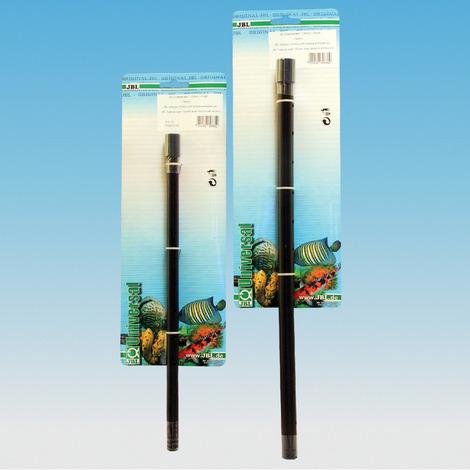
Most spray bars are either ABS plastic or stainless steel. Plastic bars from brands like Eheim and Fluval ship as standard accessories with many canister filters. They are lightweight, inexpensive to replace, and easy to drill if you want additional holes. Stainless steel bars — available on Shopee for $12-25 — resist UV yellowing and look cleaner in open-top setups. Glass spray bars exist but are fragile and rarely worth the premium for a part that sits near the waterline.
Sizing and Hole Configuration
Match the spray bar length to roughly 60-80 % of your tank’s width for the most even distribution. A 60 cm tank works well with a 40-50 cm bar. Hole diameter matters too: smaller holes (2-3 mm) create finer, more forceful streams, while larger holes (4-5 mm) produce a softer flow. For planted tanks, larger holes are generally better — you want circulation without blasting CO2-enriched water to the surface, which wastes dissolved gas.
Positioning for Planted Tanks
Aim the holes slightly downward, about 20-30 degrees below horizontal. This pushes CO2-rich water toward the substrate where plant roots and carpeting species need it most, rather than driving it toward the surface where it off-gasses. Submerge the spray bar fully — running it at the waterline creates excessive surface agitation that both strips CO2 and generates noise. In Singapore’s humid climate, a fully submerged bar also reduces evaporation compared to a surface-level outlet.
Spray Bar vs Lily Pipe
Lily pipes are popular in aquascaping for their minimal visual footprint. However, they concentrate outflow in one direction and can create dead spots in tanks longer than 60 cm. A spray bar sacrifices some aesthetics for superior distribution. In tanks 90 cm and above, we consistently recommend spray bars for better plant health and more consistent CO2 levels across the entire layout.
DIY Spray Bar Options
Acrylic or PVC tubing from a local hardware store makes a perfectly functional spray bar for under $5. Cut the tube to length, cap one end, and drill evenly spaced holes every 4-5 cm. Sand the hole edges smooth to prevent turbulence. Connect it to your filter outlet with a silicone coupler. This DIY approach lets you customise hole size and spacing — something no off-the-shelf bar offers.
Maintenance and Long-Term Care
Biofilm and calcium deposits gradually clog spray bar holes, reducing flow and creating uneven output. Every two months, remove the bar and soak it in a dilute citric acid solution (one tablespoon per litre of water) for 30 minutes, then scrub the holes with a thin pipe cleaner. Regular maintenance ensures your spray bar continues delivering the even aquarium flow distribution your plants and fish depend on.
Related Reading