Best TDS Pen Meters for Shrimp and Planted Tanks
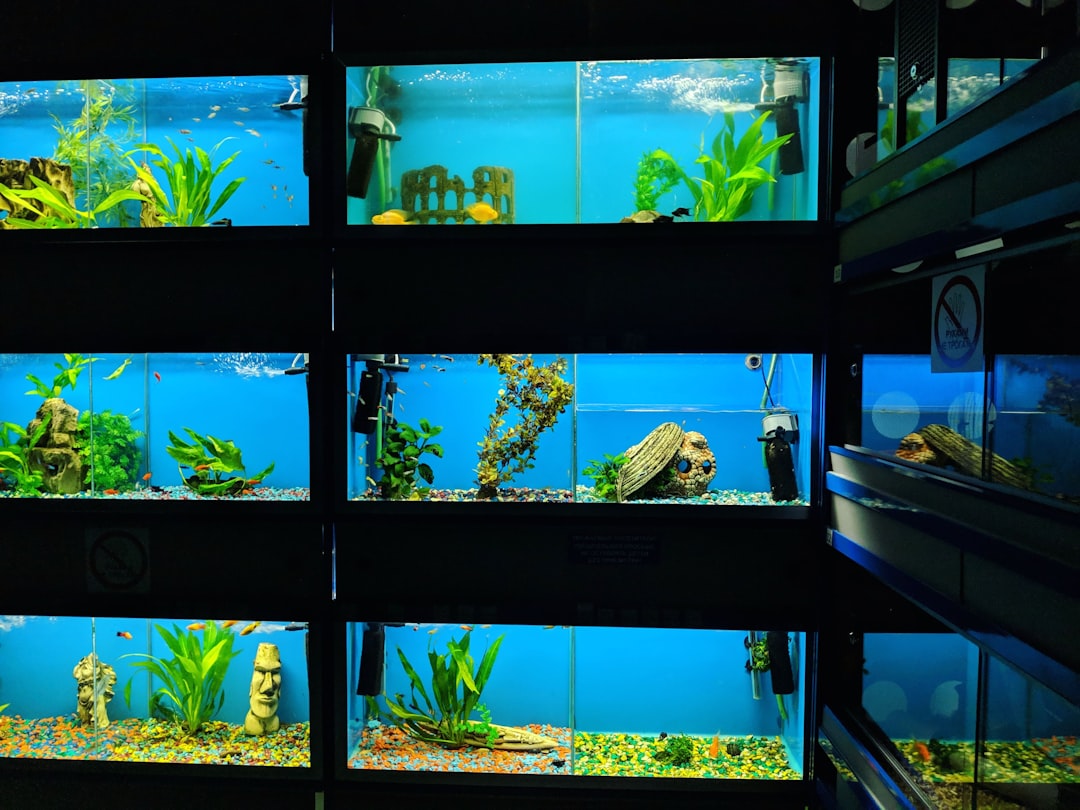
Finding the best TDS pen meter shrimp aquarium hobbyists rely on is essential for maintaining the precise water parameters that sensitive invertebrates demand. At Gensou Aquascaping, located at 5 Everton Park in Singapore, we use TDS meters daily and can guide you towards models that deliver accurate, repeatable results.
What TDS Means and Why It Matters
TDS stands for total dissolved solids, a measurement of all dissolved minerals, salts, and organic matter in your water, expressed in parts per million (ppm). For shrimp keepers, TDS is a quick indicator of overall water mineral content. Caridina shrimp such as Crystal Red, Crystal Black, and Taiwan Bee varieties typically thrive at 100 to 150 ppm TDS. Neocaridina shrimp like Cherry Reds and Blue Dreams prefer 150 to 250 ppm. Planted tank hobbyists also monitor TDS to track fertiliser accumulation and the effectiveness of water changes. A sudden TDS spike can indicate contamination, while a gradual rise over weeks signals a need for more frequent water changes.
How TDS Pen Meters Work
A TDS pen meter measures the electrical conductivity of your water and converts this reading into an estimated TDS value. Pure water conducts virtually no electricity, while water containing dissolved minerals conducts proportionally more. The pen meter passes a small electrical current between two electrodes submerged in the water sample and calculates the resistance. While TDS meters do not identify specific minerals, they provide a reliable overall picture of dissolved solids. For aquarium purposes, this general reading is sufficient to guide maintenance decisions.
Top TDS Pen Meter Recommendations
The HM Digital TDS-3 is the most popular TDS meter among Singapore shrimp keepers. It is compact, affordable at $15 to $25 SGD, and offers a measurement range of 0 to 9,990 ppm with an accuracy of plus or minus 2 per cent. The hold function lets you lock a reading for easy recording, and the auto-off feature conserves battery life. It has earned a reputation for reliability over many years in the hobby.
The Xiaomi Mi TDS Pen is an ultra-budget option at around $8 to $12 SGD, widely available on Shopee and Lazada. It provides adequate accuracy for general aquarium use, though serious shrimp breeders may prefer a more precise instrument. Its sleek design and magnetic cap make it a convenient everyday tool.
The HM Digital COM-100 is a step up, combining TDS, electrical conductivity (EC), and temperature readings in a single device for around $35 to $50 SGD. This is particularly useful for hobbyists who remineralise RO water and need to cross-reference conductivity with TDS. The Bluelab Truncheon is a professional-grade option at $80 to $120 SGD, offering exceptional accuracy and durability. Originally designed for hydroponics, it has found a loyal following among advanced shrimp breeders in Singapore.
Calibration and Accuracy
Most TDS pen meters come factory-calibrated, but accuracy drifts over time. Use a 342 ppm NaCl calibration solution to verify your meter’s accuracy every few months. If the reading deviates by more than 5 per cent, recalibrate using the adjustment screw or function on your specific model. Calibration solutions cost around $5 to $10 SGD and last for many calibration sessions. Always rinse the probe tip with distilled or RO water between measurements to prevent cross-contamination. Let the reading stabilise for 10 to 15 seconds before recording the value, as temperature differences between the sample and the probe can cause initial fluctuations.
Using TDS for Shrimp Water Preparation
Most dedicated shrimp keepers in Singapore use reverse osmosis water remineralised to a target TDS. For Caridina shrimp, start with RO water at 0 to 10 ppm TDS and add a Caridina-specific remineraliser like SaltyShrimp GH+ until you reach 100 to 130 ppm. For Neocaridina, use SaltyShrimp GH/KH+ and remineralise to 180 to 220 ppm. Mix the remineraliser into a bucket of RO water, stir thoroughly, and measure with your TDS pen before adding it to the tank. Consistency is more important than hitting an exact number. If your tank runs at 140 ppm, prepare replacement water to 140 ppm every time.
TDS Monitoring for Planted Tanks
In fertilised planted tanks, TDS rises gradually between water changes as you dose liquid fertilisers. Track your TDS weekly to understand how quickly dissolved solids accumulate. If TDS climbs more than 30 to 50 ppm between water changes, you may be over-dosing fertilisers or not changing enough water. A stable TDS trend indicates a balanced system. After a water change, the TDS should drop noticeably and then climb steadily until the next change. This pattern confirms your maintenance routine is effective.
Choosing the Right Meter for Your Needs
For casual hobbyists maintaining a community planted tank, the Xiaomi Mi TDS Pen provides sufficient accuracy at minimal cost. For Neocaridina shrimp keepers, the HM Digital TDS-3 offers the reliability needed for consistent water preparation. For serious Caridina breeders where parameter precision directly affects survival and breeding rates, invest in the HM Digital COM-100 or Bluelab Truncheon. Regardless of which model you choose, the key is using it consistently and recording your readings over time. Visit Gensou Aquascaping at 5 Everton Park to test different TDS meters side by side on our display tanks and find the one that best fits your needs and budget.
Related Reading