
How to Feed Corals: Target Feeding Techniques for a Thriving Reef
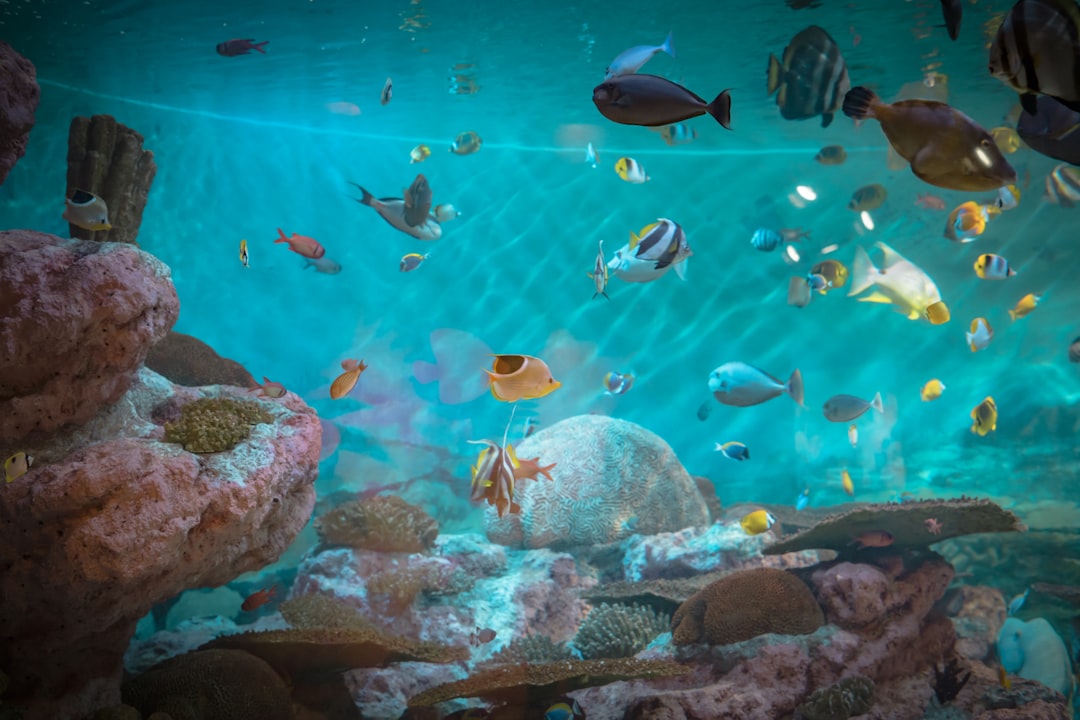
Corals are not just decorative — they are animals that need to eat. While photosynthesis through symbiotic zooxanthellae provides much of their energy, supplemental feeding accelerates growth, enhances colour, and improves overall resilience. This feed corals target feeding reef guide covers the tools, foods, and techniques that make a real difference. At Gensou Aquascaping Singapore, we have seen well-fed reefs outperform unfed ones consistently, and the process is simpler than most beginners expect.
Why Target Feed Instead of Broadcast
Broadcast feeding — dumping food into the water column — works for fish but is wasteful for corals. Most of the food either gets eaten by fish, trapped by filtration, or decomposes in dead spots, fouling water quality. Target feeding delivers food directly to the coral’s mouth or tentacles using a pipette, turkey baster, or specialised feeding tool. This approach ensures the coral actually captures the food, reduces waste, and minimises nutrient spikes in smaller tanks — a critical consideration for nano reefs common in Singapore HDB setups.
Best Foods for Coral Feeding
Different coral types respond to different food sizes. LPS corals like torches, hammers, and acans have large mouths and readily accept frozen mysis shrimp, enriched brine shrimp, and reef-specific pellets (1–2 mm). Soft corals such as zoanthids and mushrooms prefer finer particulate foods — reef roids, oyster feast, or blended frozen food reduced to a slurry. SPS corals capture the smallest particles: phytoplankton, amino acids, and dissolved organics. A well-rounded feeding programme uses two or three food types to cover the range of corals in your tank.
Tools for Target Feeding
A simple turkey baster is the most popular tool — inexpensive, easy to clean, and precise enough for most corals. For greater accuracy, a long glass pipette or a dedicated coral feeder with a flexible tip lets you reach corals deep within your aquascape without disturbing neighbours. Julian’s Thing, a popular acrylic tube feeder, allows you to deliver food directly to a coral while blocking flow. All of these tools cost under $15 and are available at local marine shops or on Shopee.
Feeding Technique Step by Step
Begin by turning off your return pump and wavemakers. This prevents food from being swept away before corals can capture it. Wait two to three minutes for the water to settle. Using your pipette, release a small puff of food directly onto or within 1–2 cm of the coral’s tentacles or mouth. For LPS corals, you will see the tentacles curl inward around the food — a feeding response that confirms the coral is actively capturing the morsel. Leave pumps off for 10–15 minutes, then resume normal flow.
Feed in the evening or after lights dim for the best response. Many corals extend feeding tentacles at night that remain retracted during the day. Torch corals, acans, and chalice corals are particularly responsive after dark.
How Often to Feed
For most mixed reefs, target feeding two to three times per week strikes a good balance between coral nutrition and water quality. LPS-heavy tanks benefit from more frequent feeding — every other day is not excessive if you maintain diligent water changes and protein skimming. SPS-dominant systems often rely more on amino acid dosing and dissolved nutrients than direct particulate feeding. Monitor your nitrate and phosphate levels closely when starting a feeding routine; if they climb, reduce frequency or increase your export methods.
Feeding Specific Coral Types
Torch and hammer corals are eager feeders — drop a piece of mysis onto the tentacles and watch it disappear within seconds. Acan lords accept pellets placed directly on their fleshy mouths. Zoanthids respond well to a cloud of reef roids settled over the colony. Mushroom corals, especially Rhodactis, will engulf small pieces of shrimp placed on their disc. Leather corals and soft corals benefit most from phytoplankton broadcast into reduced flow. Observe each coral’s response and adjust your approach accordingly.
Common Mistakes
Overfeeding is the most frequent error. Excess food decomposes, spikes nutrients, and fuels nuisance algae — exactly what you are trying to avoid. Start with small amounts and increase gradually as you learn how much each coral consumes. Another mistake is feeding with pumps running at full speed, which washes food away before corals can capture it. Finally, avoid feeding corals that are stressed, closed, or recently moved — let them settle for a few days before offering food. At Gensou Aquascaping, we always remind hobbyists that consistency matters more than quantity. A modest feeding routine maintained weekly produces better results than sporadic large feedings.
Related Reading



