
Nano Reef Tank Mistakes to Avoid: Lessons From Small Saltwater Setups
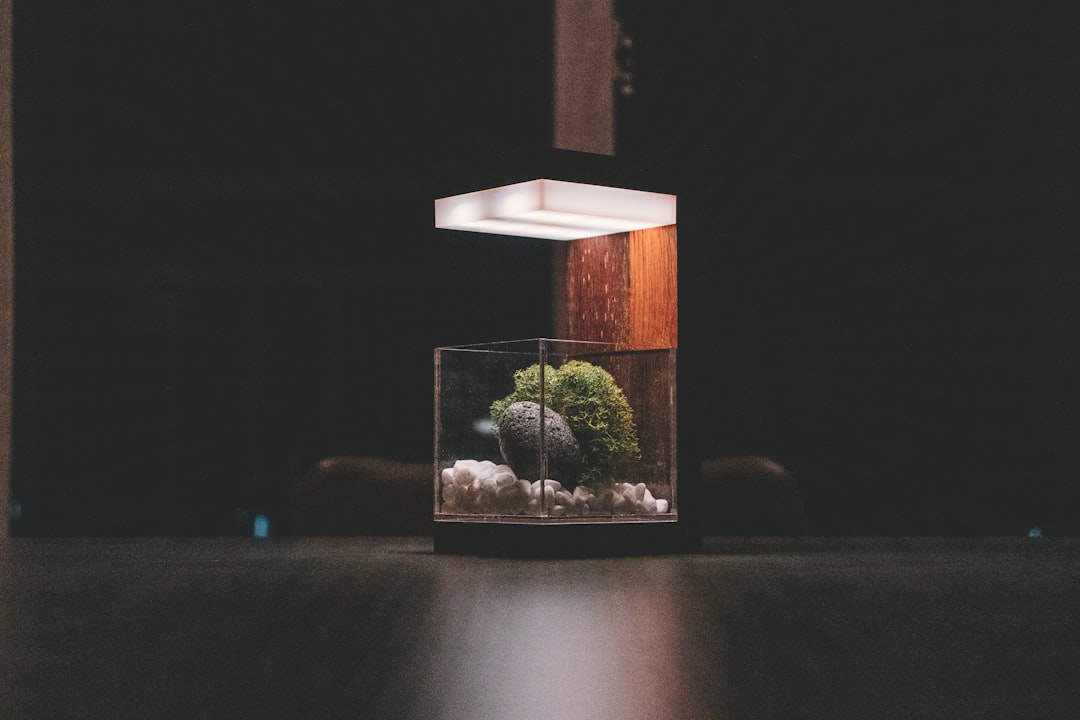
Small saltwater tanks look deceptively simple — a compact cube on your desk, a few corals, a clownfish. In reality, nano reefs are less forgiving than larger systems because every mistake is amplified in a small water volume. This nano reef tank mistakes to avoid guide draws on real problems Gensou Aquascaping Singapore has helped hobbyists troubleshoot, often in tanks between 20 and 60 litres sitting in Singapore HDB flats and condos.
Skipping the Cycle
Impatience kills more nano reef livestock than any other factor. A 30-litre tank has so little biological filtration capacity that even a small ammonia spike becomes lethal quickly. Cycle your tank fully with live rock or bottled bacteria for a minimum of four weeks. Test ammonia and nitrite — both must read zero on consecutive tests before you add any livestock. Rushing this step by even a few days often leads to the dreaded new-tank syndrome.
Overstocking Fish
A pair of clownfish and a single goby can be the maximum for a 40-litre nano. Many beginners try to replicate a full reef community in a tiny tank, and bioload overwhelms the filtration within weeks. Elevated nitrate and phosphate follow, feeding algae blooms that smother corals. Stick to one or two small, hardy fish — ocellaris clownfish, royal gramma or a yellow watchman goby — and let the cleanup crew and corals do the visual heavy lifting.
Choosing the Wrong Equipment
Budget LED lights designed for freshwater tanks lack the blue spectrum corals need. Underpowered heaters allow overnight temperature swings in air-conditioned rooms, and oversized powerheads create a washing-machine effect in a small volume. Invest in a purpose-built nano reef light with adjustable channels, a reliable 50 W heater for tanks up to 40 litres, and a small wavemaker with adjustable flow. All-in-one (AIO) nano tanks from brands like Waterbox or Red Sea simplify equipment choices and are widely available in Singapore.
Ignoring Evaporation and Salinity Swings
Evaporation in a nano tank is proportionally massive. A 30-litre cube can lose 500 ml to 1 litre per day in Singapore’s warm climate, especially if the room is not air-conditioned. As water evaporates, salinity climbs — a shift from 1.025 to 1.028 specific gravity stresses corals and invertebrates. Top off daily with RO/DI water, not saltwater. An auto top-off (ATO) system, even a simple float-valve design costing around $40 to $60, prevents this problem entirely.
Poor Maintenance Habits
Weekly water changes of 10 to 20 per cent are non-negotiable in a nano reef. Skipping even one week allows dissolved organics to accumulate in the limited water volume, triggering nuisance algae and stressing sensitive corals. Use pre-mixed saltwater at the correct specific gravity and temperature — dumping in cold, freshly mixed water shocks small systems. Clean the glass, check equipment and test alkalinity at least weekly.
Placing Corals Too Close Together
In a small tank, it is tempting to pack corals tightly for a lush look. But corals compete aggressively — torch corals send out sweeper tentacles up to 15 cm, mushrooms can chemically suppress neighbours, and fast-growing GSP smothers everything in its path. Give each coral adequate spacing and research compatibility before placement. A nano reef with five well-spaced, thriving corals looks far better than fifteen stressed frags fighting for territory.
Not Testing Water Regularly
Parameters shift faster in small volumes. Alkalinity can drop from 8 to 6 dKH in days if corals are actively calcifying and you are not dosing. Invest in a quality marine test kit covering alkalinity, calcium, magnesium, nitrate and phosphate. Test weekly at minimum, and keep a log so you can spot trends before they become crises.
Related Reading



