
Betta Coccina Care Guide: Wine Red Wild Betta
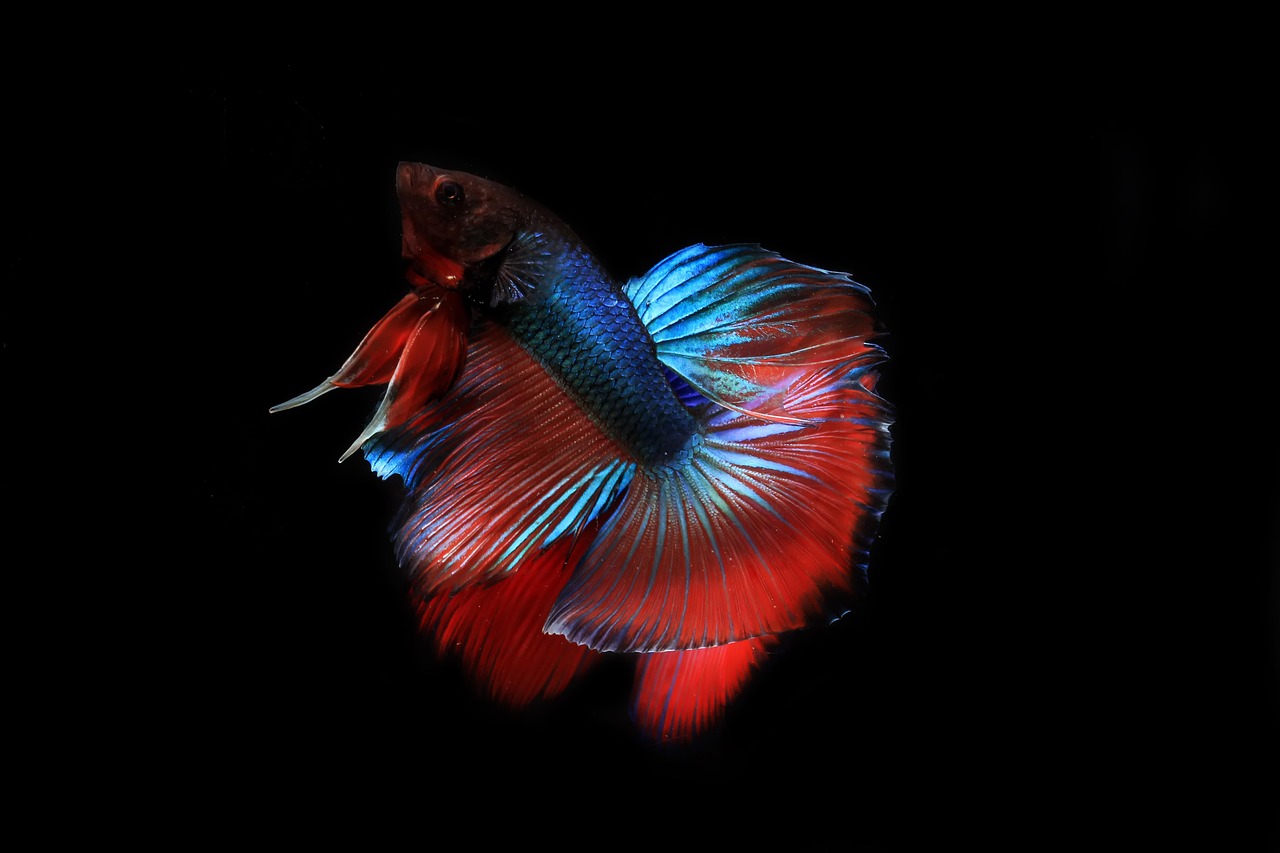
Plunge your hand into a Sumatran peat swamp and the tea-dark water barely lets you see past the wrist; this is the world Betta coccina calls home, a wine-red jewel that almost glows against black tannins. This betta coccina care guide from Gensou Aquascaping in Singapore distils the specifics needed to keep this blackwater specialist alive, coloured, and breeding. Coccina is not a beginner fish, but with soft acidic water it proves surprisingly forgiving. The payoff is a lateral spot that flashes metallic green against crimson flanks.
Quick Facts
- Scientific name: Betta coccina Vierke, 1979
- Origin: peat swamps of Sumatra and peninsular Malaysia
- Adult size: 4-5 cm
- Water: pH 4.0-5.5, GH under 3, TDS under 50 ppm
- Temperature: 22-26°C (cooler than most wild bettas)
- Temperament: shy, paired, bubble-nester
- Lifespan: 3-4 years
Why Blackwater Is Non-Negotiable
Coccina comes from water so soft that a conductivity meter reads under 30 microsiemens. Keeping it in Singapore tap water even at GH 3 will slowly kill the fish through osmotic stress. RO or distilled water remineralised only with a pinch of Salty Shrimp GH+ to 30 ppm is the baseline. Layer Indian almond leaves, catappa bark, and alder cones to drop pH below 5.5 and stain the water amber.
Tank Setup
A species pair thrives in a 30-40 litre tank with a tight-fitting lid and dim lighting. Use a matured sponge filter; coccina reacts badly to ammonia spikes above 0.1 ppm. Decorate with dense moss mats, Cryptocoryne parva, and a thick layer of dried leaves covering at least half the bottom. The leaves are not decoration; they host the biofilm and microfauna that fry graze on.
Water Chemistry Recipe
Start with RO at 0 TDS, add GH+ remineraliser to 30-50 ppm, and run the water over peat moss in a filter bag for 48 hours. Target pH 5.0, KH 0, GH 2. Do not use crushed coral, coral sand, or any calcareous rock anywhere in the system. Weekly 20 percent changes with pre-prepared blackwater held in a dedicated 20-litre container keep parameters stable.
Diet
Coccina prefers small live foods: microworms, grindal worms, daphnia, and baby brine shrimp. Frozen cyclops and bloodworm are accepted once settled. Dry food compliance is low and not worth the stress of training. Feed twice daily, removing uneaten food within five minutes to preserve water quality in the sensitive acidic environment.
Pair Behaviour
Males build small bubble nests in leaf crevices or under floating botanicals. Courtship is subtle, almost furtive, with the male leading the female to the nest rather than flaring aggressively. A bonded pair can live together permanently. House only one pair per tank; two males will fight to the death in confined blackwater systems.
Breeding
Lower water to 10 cm and maintain 25°C. Spawning produces 30-80 eggs, far fewer than domestic bettas. The male guards the nest for 48-72 hours. Fry are tiny and require infusoria or paramecium cultures for the first week before graduating to microworms. Raise fry in the same low-TDS blackwater; transferring them to harder water at any point causes mass deformities.
Common Pitfalls
Keepers lose coccina most often to TDS creep from evaporation top-ups with tap water. Always top up with pure RO. Fungal infections on eggs indicate bacteria overload and call for stronger botanical loading rather than antifungal dosing. Never medicate an acidic blackwater tank without halving recommended doses.
Availability in Singapore
Coccina and its close relatives Betta brownorum and Betta livida appear occasionally at specialist importers, priced $25-45 per pair. Check with Y618 or Polyart for wild anabantoid shipments. Captive-bred stock from Malaysian breeders often adapts better to transport than wild-caught imports.
Related Reading
Wild Betta Species Care Guide
Blackwater Aquarium Setup Guide
Blackwater Botanical Guide Aquarium
Indian Almond Leaves Aquarium
Wild Betta Breeding Guide



