
Betta Smaragdina Care Guide: Emerald Wild Betta
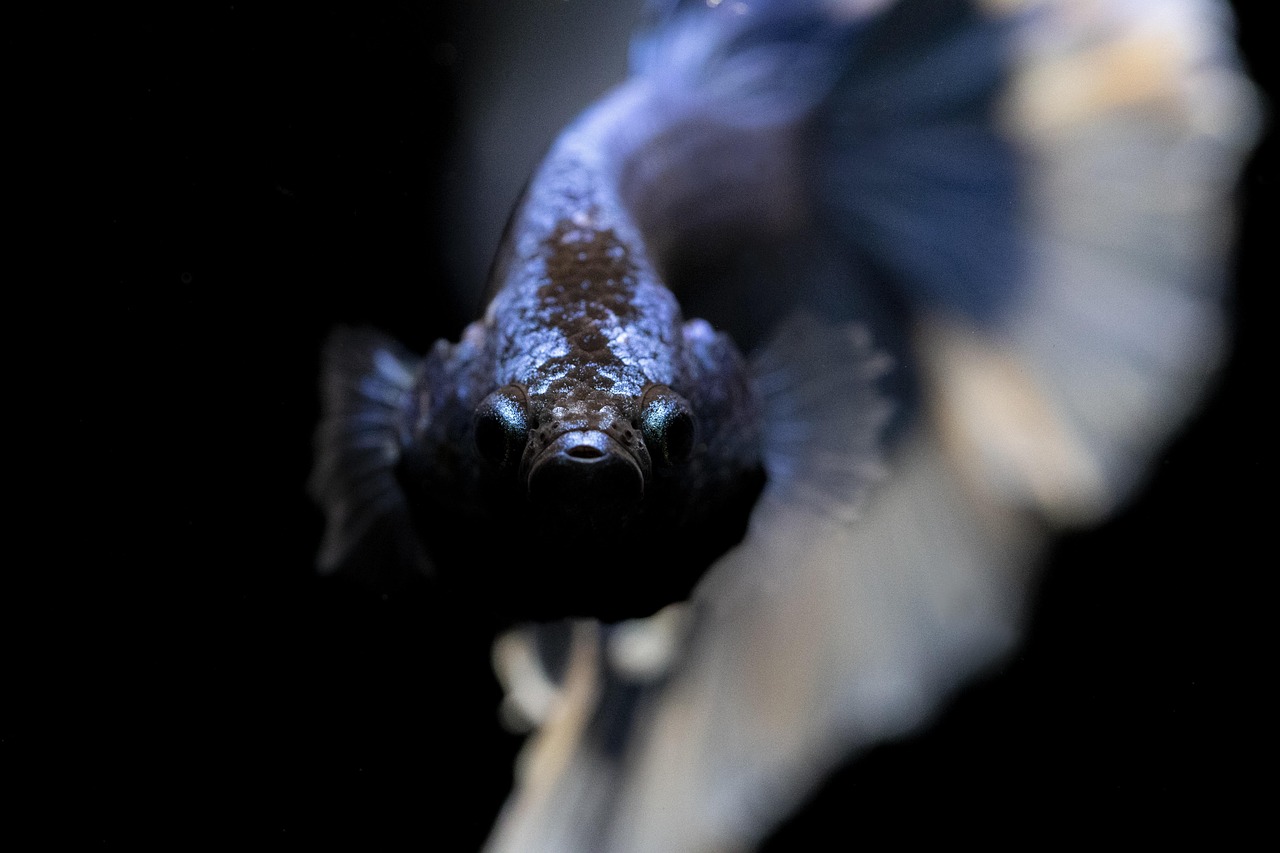
Catch a male Betta smaragdina in the right angle of light and the entire body flickers like polished jade, which is exactly why Thai hobbyists nicknamed it the Peaceful Emerald. This betta smaragdina care guide from Gensou Aquascaping in Singapore shares what twenty years of anabantoid keeping have taught us about settling this northeastern Thai endemic into a tropical flat. The species is hardier than Betta mahachai, gentler than splendens, and breeds willingly once the water suits it. It suits keepers who want a wild betta without the brackish fuss.
Quick Facts
- Scientific name: Betta smaragdina Ladiges, 1972
- Origin: Isaan region of Thailand, parts of Laos and Cambodia
- Adult size: 5-7 cm total length
- Water: pH 6.0-7.2, GH 2-8, soft to medium
- Temperature: 24-28°C
- Temperament: mildly territorial bubble-nester, pair-compatible
- Lifespan: 3-5 years
Habitat Context
Smaragdina inhabits rice paddies, slow ditches, and shaded pools on the Khorat Plateau. Water there is seasonally variable, tannin-flushed in the wet monsoon and warm and shallow by March. Unlike coastal Mahachai, it never sees salt. That detail matters when you set up the tank; skip the marine salt tricks and focus on stable, soft freshwater with plenty of surface cover.
Tank Size and Aquascape
A pair needs 30-40 litres with a footprint of at least 45 cm. Males patrol the surface looking for bubble-nest anchor points, so floating plants are essential. Red root floaters, Phyllanthus fluitans, or a clump of Amazon frogbit work well. Substrate can be inert sand or aquasoil; the fish does not dig. Include driftwood tangles and a cave for the female to retreat into during courtship.
Water Parameters
Singapore tap water (GH 2-4, pH 7.2) is close enough after dechlorination. A few catappa leaves will nudge pH to 6.5 and release tannins that the fish find calming. Temperature sits naturally at 26-28°C in most Singapore flats; no heater is required unless aircon runs continuously. Weekly 25 percent water changes keep nitrate under 20 ppm, which is where smaragdina colour holds best.
Diet
Feed a rotation of frozen bloodworm, daphnia, and mysis, with live blackworms as a weekly treat. Quality micro-pellets such as Fluval Bug Bites Betta are accepted once the fish settles. Two small meals a day outperform one large feed, and a weekly fast day prevents bloat. Avoid freeze-dried tubifex, which often triggers constipation in wild bettas.
Behaviour
Males flare at their reflection more than at tankmates. A bonded pair coexists peacefully with intermittent spawning throughout the year. Suitable companions include small rasboras, Kubotai microdevario, and Otocinclus. Cherry shrimp are tolerated by adult fish but colonies struggle once fry appear. Never keep two males together unless the tank exceeds 120 litres with dense sightline breaks.
Breeding Smaragdina
Condition the pair for ten days on live food. Drop water to 12 cm, raise temperature to 28°C, and add a floating cup. The male builds a modest bubble nest and displays sideways to the female. Spawning yields 150-300 eggs. Remove the female once eggs are in the nest; the male tends them for 48 hours until hatch. Fry are free-swimming by day three and accept baby brine shrimp from day four.
Health Notes
Smaragdina is hardy but imported stock sometimes carries internal parasites. A prophylactic levamisole or praziquantel course during quarantine is wise. Watch for stringy faeces, which indicate flagellate infection treatable with metronidazole at 250 mg per 40 litres every other day for a week.
Sourcing in Singapore
Wild-type smaragdina and the line-bred Copper Guitar variant appear in Singapore shops periodically for $15-35 per pair. Thomson Road specialists and C328 Clementi sometimes import fresh batches from Thai breeders. Inspect gill plates for redness and decline any fish with clamped fins or sunken bellies before purchase.
Related Reading
Wild Betta Species Care Guide
Betta Imbellis Care Guide
Wild Betta Breeding Guide
Betta Splendens vs Imbellis Comparison
Blackwater Aquarium Setup Guide



