Betta Fish Tank Decor Complete Guide: Safe and Stylish

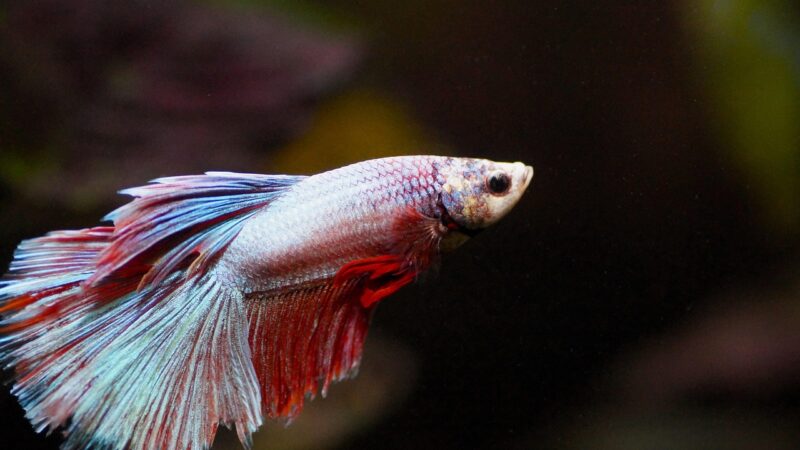
Most torn betta fins in Singapore trace back to one cause — decor with sharp edges that looked fine in the shop and shredded a halfmoon’s caudal within a week. This betta fish tank decor complete guide from Gensou Aquascaping at 5 Everton Park covers the material tests, smooth-edge rules and stylistic choices that keep Betta splendens safe while still giving you a great-looking display. Silk beats plastic, natural beats synthetic, and the stocking-snag test is your best friend at checkout.
The Stocking-Snag Test
Drag a pair of pantyhose or a thin silk scarf across every decor piece before it goes in the tank. If the fabric snags, the piece will shred a betta’s fins. This simple test eliminates 90% of dangerous ornaments — cheap plastic plants, rough-edged ceramic castles, unfinished resin pieces. Anything that catches the fabric stays out of the tank.
Live Plants as Primary Decor
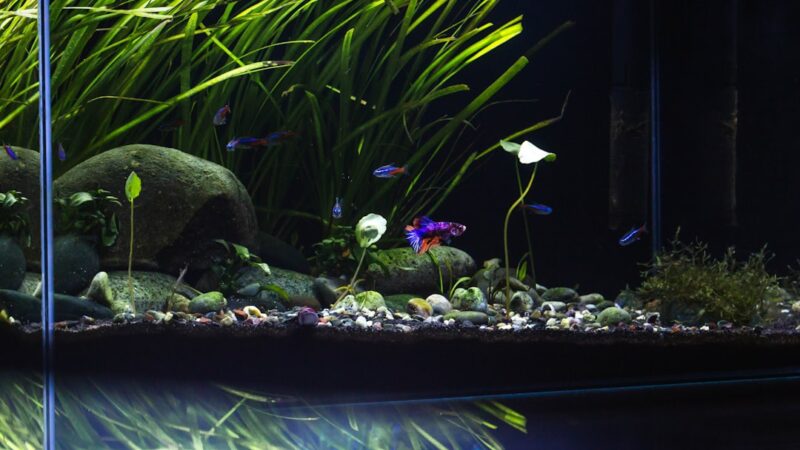
Live plants are the safest and best-looking decor by every measure. Anubias nana, java fern, Cryptocoryne wendtii, Vallisneria, Bucephalandra, moss and floaters like Salvinia provide shelter, territory, biofilm for food, and active water filtration. None have hard edges. A densely planted tank is automatically betta-safe. Stock from Gensou’s live plants catalogue or the background plants selection, or visit C328 Clementi and Polyart Joo Chiat for rhizomes between SGD 5-12.
Silk Plants: The Plastic Alternative
If you cannot keep live plants, silk imitations are the only acceptable artificial substitute. Real silk fabric on a flexible wire frame is soft, drapes naturally, and passes the stocking test. Cheap rigid plastic plants — especially the Chinese-import ones with printed colour — fail every safety check and belong in bin. Silk plants cost SGD 8-20 per piece at Nature Pet Serangoon.
Driftwood and Natural Hardscape
Malaysian driftwood, spiderwood, Mopani and manzanita all work, provided you inspect for splintery edges and sand any rough points before installation. Boil or soak new wood for a week to sink it and reduce initial tannin release. Driftwood provides resting ledges, biofilm grazing, gentle pH softening, and a natural aesthetic. Source premium pieces from Polyart or C328 — expect SGD 15-45 depending on size and shape.
Rocks: Seiryu, Dragon, Lava
Seiryu stone, Dragon stone (Ohko), Lava rock and Unzan stones are all safe, provided they are smooth. Dragon stone looks rugged but its holes are rounded rather than sharp. Avoid raw slate edges, broken ceramic and any stone with visible cleaving points. Rock provides hardscape structure, mounting surfaces for moss and Bucephalandra, and natural caves for betta territory.
Caves and Hideouts
Bettas love a cave they can claim as home. Coconut husk caves (sanded smooth), ceramic shrimp caves, terracotta pots flipped on their side, and purpose-made betta logs all work. Check for rough inner edges — fire-glazed ceramic is safe, unfired terracotta can be rough and needs sanding. A single good cave reduces stress behaviour measurably over two weeks. Browse safe options in the decorations range.
Betta Hammocks and Leaf Ledges
Zoo Med betta hammocks and similar silk leaf ledges sit 8-10 cm below the waterline and give bettas a resting spot near the surface for easy air gulps. Suction-cupped to a side wall, they cost SGD 8-12 and become a favourite spot within 48 hours. Indian almond leaves (ketapang) floating on the surface serve similar function while adding beneficial tannins.
Substrate Choices
Dark aquasoil like ADA Amazonia or Tropica Substrate makes betta colours pop and supports root-feeding plants. Fine inert sand (grain size 0.5-1.2 mm) gives a minimalist natural look. Avoid sharp-edged synthetic gravels with dyed colouring — they can abrade fins and leach dye in acidic water. Gensou’s decoration substrate range carries aquasoils and inert sands suitable for betta builds.
Ornaments and Themed Pieces to Avoid
Skip plastic plants with hard leaf edges, unglazed ceramic with rough surfaces, painted metal ornaments (rust and toxic leaching), anything hollow with narrow openings (bettas get stuck), and cheap plastic skulls or shipwreck dioramas with sharp corners. If a piece fails the stocking-snag test or has gaps narrower than 4 cm, it goes in the bin.
Background Choices
A solid black or dark blue vinyl background (SGD 3-8 per metre at Polyart) darkens the tank aesthetic and makes betta colours pop photographically. 3D textured resin backgrounds look dramatic but add cost and maintenance complexity — they trap detritus and require occasional deep-cleans. For minimal scapes, a matte black painted back wall is cleanest.
Final Safety Checklist
Before any decor goes in: stocking-snag test passed, no gaps narrower than 4 cm, no cleaving points on stones, wood soaked for 5-7 days to release initial tannins, ceramic fired and glazed, silk plants flexible, and every piece rinsed thoroughly in tap water (no soap ever). Complete the check with conditioners and tank prep products from the conditioners and medication section, and you have a build that looks great and keeps every fin intact.
Related Reading