The Complete Betta Fish Tank Setup Guide
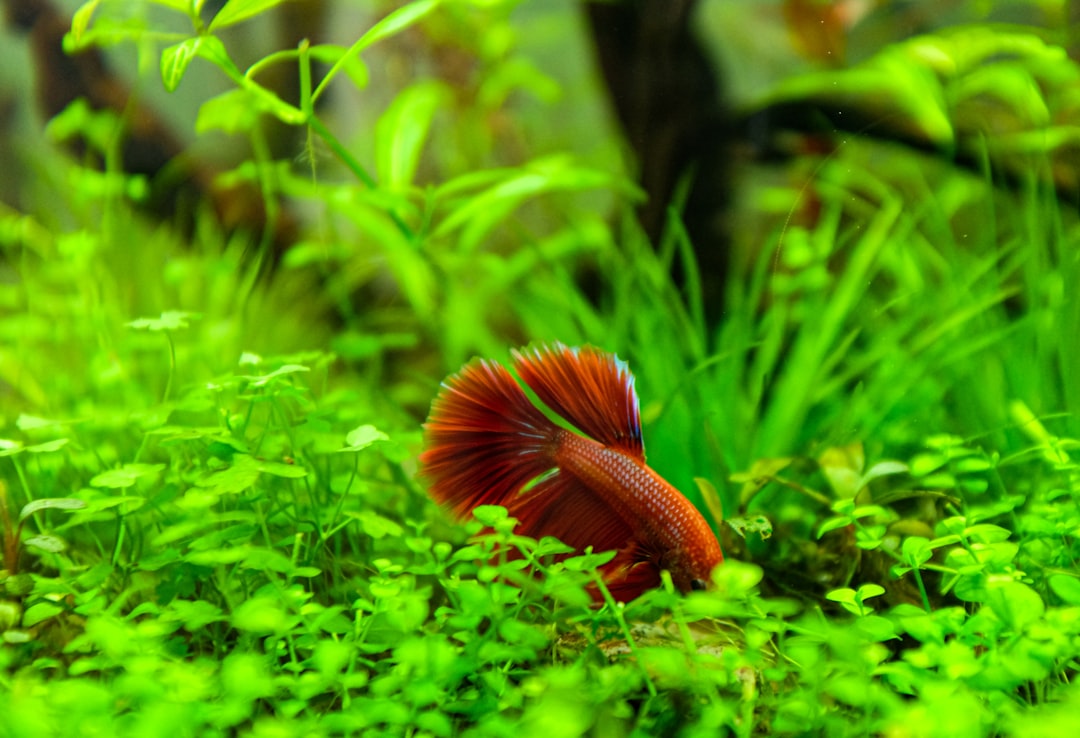
Betta fish are arguably the most popular pet fish in Singapore — and with their flowing fins and vivid colours, it is easy to see why. Unfortunately, they are also among the most commonly mistreated. The myth that bettas thrive in tiny bowls and vases has led to countless fish living short, stressed lives.
This guide walks you through setting up a proper betta fish tank that will keep your fish healthy, active, and vibrant for years. If you want to understand how long your betta can actually live with proper care, check out our betta lifespan guide.
Busting the Bowl Myth: Minimum Tank Size
Let us get this out of the way immediately: betta fish do not belong in bowls, cups, or vases. Yes, bettas can survive in small containers because they can breathe atmospheric air through their labyrinth organ. But surviving is not thriving.
The absolute minimum tank size for a single betta is 10 litres (about 2.5 gallons), but we strongly recommend 20 litres (5 gallons) or more. Here is why:
- Larger water volumes are more stable — temperature and chemistry fluctuate less
- More swimming space reduces stress and promotes natural behaviour
- Easier to maintain a nitrogen cycle (more on this below)
- Room for live plants, which dramatically improve water quality and aesthetics
A 20-litre tank does not take up much more desk space than a bowl, and the difference in your betta’s quality of life is enormous.
Essential Equipment List
Here is everything you need for a proper betta fish tank setup:
The Tank
A 20-40 litre glass or acrylic aquarium. Rectangular tanks are preferable to tall, narrow ones — bettas are surface breathers and prefer horizontal swimming space. A rimless tank looks particularly clean and modern on a desk or shelf.
Filter
A gentle filter is essential. Bettas dislike strong currents, so avoid powerful hang-on-back filters unless they have adjustable flow. Good options include:
- Small sponge filters (best for beginners — cheap, effective, gentle)
- Low-flow internal filters
- Small hang-on-back filters with adjustable flow or a baffle
Heater
This is where Singapore-specific advice matters. Bettas prefer water between 24-28 degrees Celsius. In most Singapore homes without heavy air conditioning, ambient room temperature stays around 27-30 degrees Celsius, which is perfectly fine for bettas. You do not need a heater unless your room is air-conditioned most of the day.
If your betta tank sits in an AC room set to 22-24 degrees Celsius, a small adjustable heater (25-50 watts for a 20-litre tank) will keep conditions stable. Temperature swings between AC-on and AC-off periods are more harmful than a consistently cool or warm tank.
Lighting
A simple LED light serves two purposes: it showcases your betta’s colours and supports live plant growth. Most nano tank kits come with adequate lighting. Aim for 6-8 hours of light per day on a timer to maintain a consistent day-night cycle.
Lid or Cover
This is non-negotiable. Bettas are jumpers. Even a calm, seemingly content betta can and will jump out of an open-top tank. Use a lid, a glass cover, or at minimum, lower the water level by 5-7 centimetres from the rim. Many betta deaths in Singapore are simply from fish jumping out overnight.
Choosing the Right Substrate
Your substrate choice depends on whether you plan to grow live plants (which we highly recommend).
For Planted Betta Tanks
Aquasoil (such as ADA Amazonia or Tropica Soil) is ideal. It provides nutrients for root-feeding plants and creates a natural, dark aesthetic that makes betta colours pop. Fine gravel over a nutrient base layer also works well.
For Simple Setups
Fine natural gravel or sand works perfectly. Avoid large, sharp gravel that could damage delicate betta fins, especially for long-finned varieties like halfmoons. Bare-bottom tanks are functional but less attractive.
Avoid painted or coated gravel — the coating can chip over time and leach chemicals.
Best Plants for Betta Fish Tanks
Live plants transform a betta tank from a bare container into a living ecosystem. They absorb nitrates, produce oxygen, and provide enrichment for your betta. Here are the best options, especially for beginners:
Low-Maintenance Plants (No CO2 Needed)
- Anubias: Attach to driftwood or rocks. Virtually indestructible. Bettas love resting on the broad leaves.
- Java Fern: Another epiphyte that attaches to hardscape. Hardy and attractive.
- Java Moss: Grows on anything. Creates soft, natural textures.
- Cryptocoryne: Plant in substrate. Various sizes available. May melt initially but recovers.
- Floating plants: Salvinia, Frogbit, or Red Root Floaters. Bettas love the cover they provide, and they absorb nitrates aggressively.
Moderate Plants
- Bucephalandra: Beautiful, slow-growing epiphyte. Many colour varieties available in Singapore.
- Hygrophila: Fast-growing stem plant that helps with water quality.
Browse our plant collection for tissue culture and potted plants suitable for betta tanks.
Cycling Your Tank Before Adding Fish
This is the step most beginners skip, and it is the single biggest cause of early fish death. You must cycle your tank before adding your betta.
What Is Cycling?
Cycling is the process of establishing beneficial bacteria colonies in your filter and substrate that convert toxic ammonia (from fish waste) into less harmful nitrate. Without these bacteria, ammonia builds up and poisons your fish.
How to Cycle (Fishless Method)
- Set up the tank with substrate, filter, heater (if needed), and plants
- Add an ammonia source — pure ammonia drops or fish food left to decompose
- Test daily with a liquid test kit (API Master Test Kit is the standard)
- Wait for the cycle to complete — you will see ammonia spike, then nitrite spike, then both drop to zero while nitrates rise
- This typically takes 2-4 weeks. Using established filter media or a bacterial starter product can speed this up significantly
In Singapore’s warm temperatures, cycling tends to progress faster than in cooler climates, sometimes completing in as little as 10-14 days with a good bacterial starter.
Singapore Tap Water Preparation
Always treat PUB tap water with a quality water conditioner before adding it to your tank. Singapore uses chloramine for water treatment, which does not dissipate by simply leaving water out. Products like Seachem Prime neutralise both chlorine and chloramine instantly.
Step-by-Step Tank Setup Process
- Choose your location. Avoid direct sunlight (causes algae), AC vents (temperature swings), and high-traffic areas (stress). Ensure the surface can support the weight.
- Rinse your substrate (unless using aquasoil, which should not be rinsed) and add it to the tank. Slope it slightly higher in the back for depth.
- Place hardscape. Driftwood, rocks, or both. Create hiding spots and visual interest.
- Fill with treated water. Pour slowly over a plate or bag to avoid disturbing the substrate.
- Install equipment. Filter, heater (if needed), thermometer, light.
- Plant your plants. Epiphytes on hardscape, stem plants and crypts in substrate, floaters on the surface.
- Begin cycling. Run everything and follow the cycling process above.
- Test and confirm. Once ammonia and nitrite read zero for several consecutive days, your tank is ready.
- Acclimate your betta. Float the bag for 15-20 minutes, then slowly add tank water to the bag over another 15-20 minutes before releasing.
After Setup: Ongoing Care
Once your betta is settled in, maintenance is straightforward:
- Weekly water changes: 20-30% with treated, temperature-matched water
- Feed appropriately: High-quality betta pellets, 2-3 pellets twice daily. Supplement with frozen bloodworms or brine shrimp once or twice a week
- Test water regularly: Weekly for the first month, then monthly once stable
- Clean filter media: Rinse in old tank water (never tap water) monthly
- Trim plants: As needed to maintain flow and aesthetics
For a deeper dive into keeping your betta healthy long-term, read our complete betta fish care guide.
Ready to Build Your Betta Tank?
A well-set-up betta tank is a beautiful centrepiece for any desk, shelf, or living space. With the right equipment and a little patience during cycling, you will have a thriving miniature ecosystem that keeps your betta healthy and vibrant.
At Gensou, we stock everything you need — from nano tanks and plants to hardscape and water care products. Visit our online shop to get started, or explore our custom aquascaping services if you want a professionally designed betta setup built for your space. Have questions? Reach out to us any time.