
How to Breed Betta Imbellis: Peaceful Wild Betta Spawning
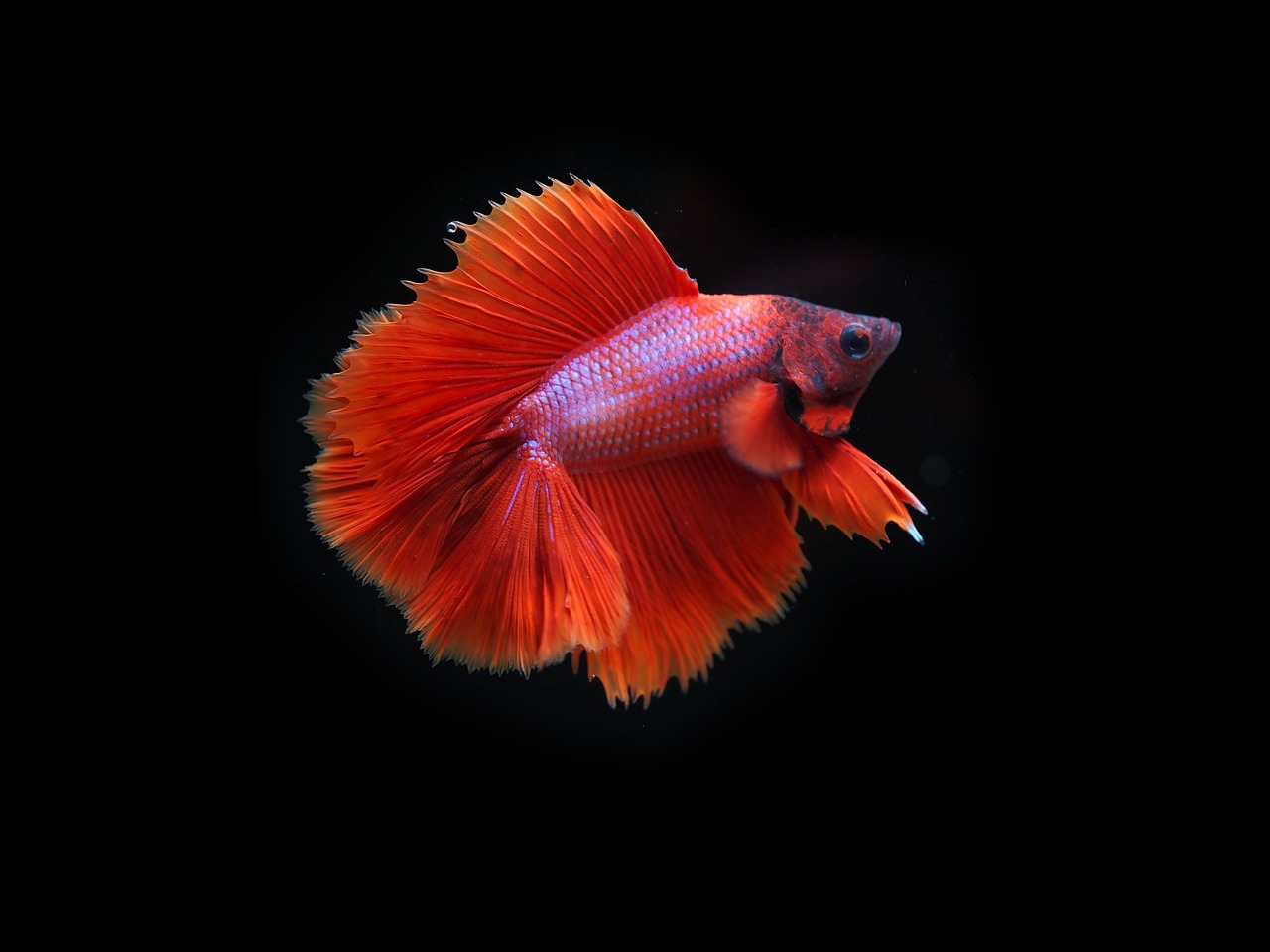
Among the wild bettas, Betta imbellis stands out as one of the most rewarding species to spawn at home. Often called the peaceful betta, this fish lacks the territorial aggression of its domesticated cousin, making pair bonding and spawning far more straightforward. If you have been searching for a reliable breed betta imbellis guide, the team at Gensou Aquascaping in Singapore has put together everything you need, drawn from over 20 years of hands-on experience with wild-type bettas in our tropical climate.
Why Betta Imbellis Is Ideal for Breeding
Betta imbellis males can coexist with females in the same tank without the constant risk of injury that plagues B. splendens pairings. Males build relatively small bubble nests, often tucking them under floating plants or broad leaves near the surface. Their courtship display is subtle yet beautiful, with males flaring iridescent blue-green scales to attract a receptive female.
Because they tolerate community conditions better than show bettas, you can keep a bonded pair in a planted nano tank as small as 20 litres. That compact footprint fits comfortably on an HDB shelf or condo desk, making them a practical choice for Singapore hobbyists with limited space.
Setting Up the Breeding Tank
A dedicated 20-30 litre tank works well. Fill it to about 15 cm depth to keep the male’s nest-tending duties manageable. Use a tight-fitting lid or cling wrap to trap warm, humid air above the surface; fry need to gulp air from a humid layer when their labyrinth organ develops.
Add Indian almond leaves to tint the water a light amber. Singapore’s PUB tap water, once dechloraminated, sits around pH 6.8-7.0 with GH 2-4, which suits B. imbellis nicely. A gentle sponge filter on low flow prevents the bubble nest from being destroyed. Floating plants like Salvinia or Limnobium give the male anchoring points for his nest.
Conditioning the Pair
Feed live or frozen foods for at least two weeks before introducing the pair. Daphnia, mosquito larvae (easy to culture outdoors in Singapore’s humid climate), and baby brine shrimp all work. You will notice the female developing visible egg spots and vertical breeding bars when she is ready. The male’s colours will intensify noticeably.
The Spawning Process
Introduce the conditioned female near the male’s nest in the evening. Dim the lights. Courtship usually begins within hours: the male flares, leads the female to the nest, and wraps around her in the classic betta embrace. Each embrace releases 10-40 eggs, which the male catches and places into the bubble nest. The entire spawning can take two to four hours.
Once spawning ends, remove the female gently. The male will guard and tend the nest, retrieving any fallen eggs. Disturb him as little as possible during this phase.
Fry Care in the First Two Weeks
Eggs hatch in roughly 24-36 hours at 28-30 °C. The fry become free-swimming about two days later. At this point, remove the male. First foods should be infusoria or commercially available liquid fry food for the initial three to five days, then transition to freshly hatched brine shrimp nauplii.
Keep the water level low and perform tiny daily water changes of about 10% using aged, temperature-matched water. Avoid strong currents. Fry mortality drops significantly after the first week if food is consistently available.
Growing Out Juvenile Betta Imbellis
By four weeks, fry are large enough to accept micro worms and crushed pellets. Gradually raise the water level and increase tank volume if possible. A grow-out container of 40-60 litres supports a brood of 30-50 juveniles comfortably. Males begin showing colour at around eight weeks, though full adult colouration develops by four to five months.
Sibling males can usually coexist until about three months of age, after which mild sparring may begin. Separate overly aggressive individuals early. Unlike B. splendens, most B. imbellis males tolerate each other in well-planted tanks with broken sight lines.
Common Breeding Mistakes to Avoid
Skipping the conditioning period is the most frequent error. Underfed pairs produce fewer eggs and weaker fry. Another mistake is using too deep a water column; fry struggle to reach the surface in tanks filled above 20 cm. Finally, avoid overfeeding the fry tank. Uneaten brine shrimp foul water quickly, and ammonia spikes are the leading killer of young bettas.
Where to Source Betta Imbellis in Singapore
Wild-type B. imbellis occasionally appear at specialist shops along Serangoon North Avenue 1 and through Carousell sellers who import directly from Thailand and Malaysia. Expect to pay $8-15 per fish depending on locality and colour form. A healthy pair from a reputable breeder gives you the strongest start for your own breed betta imbellis guide journey with Gensou Aquascaping Singapore’s methods.
Related Reading
- How to Breed Amano Shrimp: The Challenging but Rewarding Process
- How to Breed Assassin Snails: Slow but Steady Reproduction
- How to Breed Bamboo Shrimp: Larval Stages and Brackish Requirements
- How to Breed Blue Bolt Shrimp: Taiwan Bee Colour Selection
- How to Breed Blue Dream Shrimp: Neocaridina Colour Line Selection



