
How to Breed Assassin Snails: Slow but Steady Reproduction
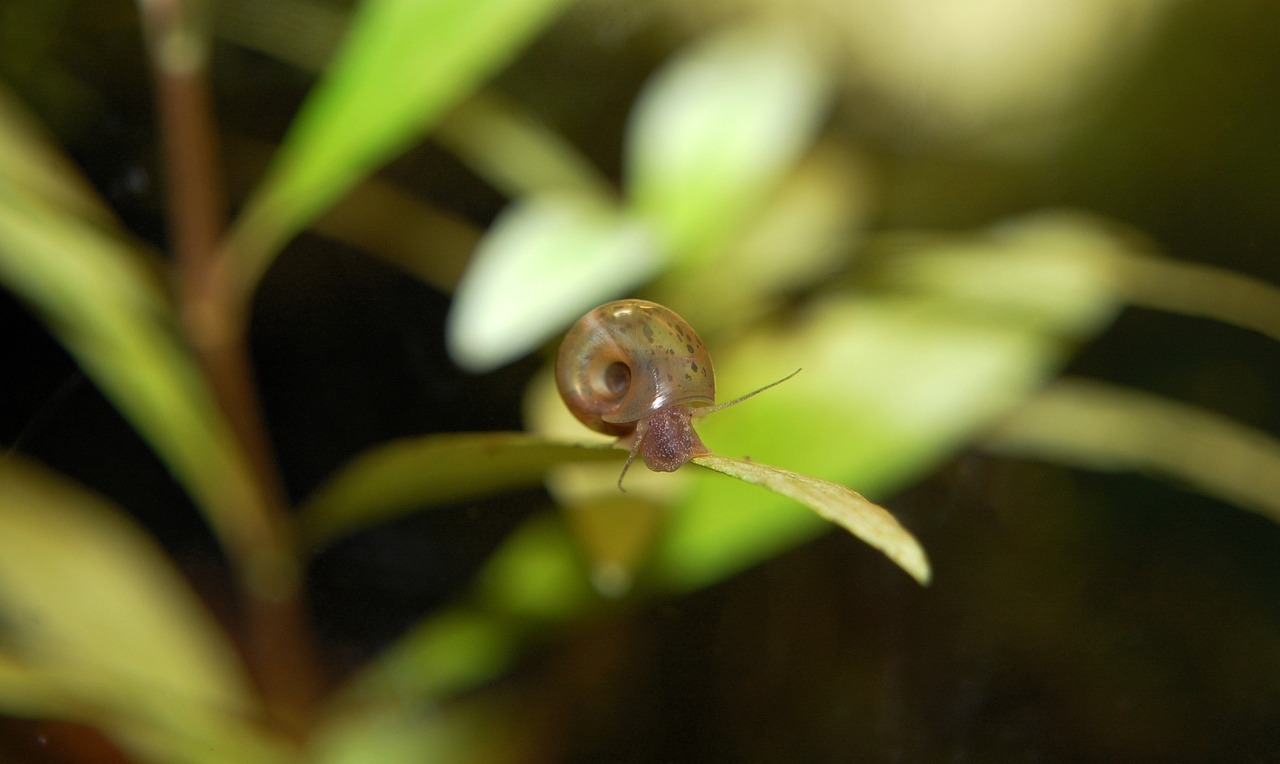
Assassin snails are among the few invertebrates in the hobby that earn their place twice over — first as an effective biological control for pest snails, and second as genuinely interesting breeding subjects. To successfully breed assassin snails, patience is the primary virtue; reproduction is slow and methodical, producing a handful of eggs per pairing rather than the explosive numbers of pest species. Gensou Aquascaping at 5 Everton Park, Singapore, regularly keeps and breeds these remarkable snails, and this guide covers the practical steps to cultivate a sustainable colony.
Biology and Background
Clea helena, the assassin snail, is a predatory operculate snail from Southeast Asian freshwater habitats — including rivers and streams in Thailand, Malaysia, and Indonesia. Unlike pest species such as Melanoides tuberculata (Malaysian trumpet snails), assassin snails are sexually separate (not hermaphroditic), which means you need both males and females to breed. External sexing is nearly impossible without close inspection; the most reliable approach is to purchase a group of six or more and allow natural pairing to occur.
Their distinctive yellow-and-brown banded shell, long proboscis, and slow, deliberate hunting behaviour make them one of the more characterful invertebrates available in Singapore shops, typically priced $1–2 SGD each.
Setting Up a Breeding Tank
Assassin snails thrive in a wide range of conditions, but breeding output improves with a consistent, stable setup. A 30–60 litre tank with a soft sand substrate of at least 3–4 cm depth is ideal — they bury themselves regularly, and a deep, fine substrate supports this natural behaviour. Moderate filtration (a sponge filter works well) and a temperature of 24–27°C produce reliable breeding conditions.
Water chemistry is more flexible than for shrimp: pH 7.0–8.0, GH 8–15 dGH. Assassin snails prefer moderately hard water for shell development; Singapore’s soft tap water (GH 2–4) may lead to shell erosion over time. Add crushed coral, a small amount of limestone rock, or Seachem Equilibrium to raise GH and provide calcium for shell health. The aquarium-safe vinegar test on hardscape rocks is worth doing — any rock that fizzes should be excluded from the tank.
Feeding Assassin Snails
Pest snails — trumpet snails, bladder snails, ramshorn snails — are the primary food source in most tanks. If you are breeding assassins in a dedicated tank without pest snails present, supplement with frozen bloodworm, small pieces of raw prawn, and sinking carnivore pellets. Assassin snails are not fast feeders; place food directly in front of them and allow overnight access. Overfeeding the tank causes water quality issues — feed small amounts every two to three days when no live snail prey is available.
A light population of Malaysian trumpet snails maintained in a separate container provides an ongoing live food supply without risking pest snail reinfection in your planted tanks.
Mating and Egg-Laying
Mating involves a male pursuing and mounting a female for an extended period — sometimes hours. Eggs are laid individually as small, square capsules approximately 2 mm across, attached to hard surfaces: the glass, smooth rocks, and hardscape. Each female lays one to three eggs at a time, and egg-laying occurs intermittently rather than continuously. In a well-fed colony of six adults, expect two to five new egg capsules per week — a slow but accumulating output.
Eggs are light cream when first laid and gradually become more opaque as the embryo develops. Incubation takes 4–8 weeks depending on temperature; higher temperatures (26–27°C) accelerate development. A small magnifying glass or loupe lets you monitor development — the tiny snail inside becomes visible through the capsule in the final week before hatching.
Raising Juveniles
Newly hatched assassin snails are approximately 1–2 mm and fully formed miniatures of the adult. They immediately begin burrowing into the substrate and hunting tiny invertebrates and detritus. Mortality in the juvenile stage is generally low if the tank is established and biofilm-rich. Small, live foods — microworms, nematodes — can supplement the diet of very young individuals, though most rely on biofilm and microorganisms in the substrate initially.
Juveniles reach adult size and breeding maturity at approximately six months. At this stage, culling excess individuals or rehoming through Carousell or local aquarium Facebook groups helps manage population density in the breeding tank.
Using Assassin Snails for Pest Control
Introducing assassin snails to a planted community tank with a pest snail problem is straightforward: six to eight adults in a 60-litre tank will visibly reduce ramshorn and bladder snail populations within four to six weeks. They do not eradicate trumpet snails as efficiently (the prey burrows to escape), but sustained pressure over months reduces even MTS populations. This breed assassin snail guide approach — a small dedicated breeding colony supplying adults to pest-control tanks — keeps your planted aquariums clean without chemical intervention.
Related Reading
- Assassin Snail vs Pest Snails: How Effective Are They Really?
- How to Breed Japanese Trapdoor Snails: Live-Bearing Viviparidae
- How to Breed Amano Shrimp: The Challenging but Rewarding Process
- How to Breed Bamboo Shrimp: Larval Stages and Brackish Requirements
- How to Breed Betta Imbellis: Peaceful Wild Betta Spawning



