
Betta Jar Aquarium Ethics Alternatives: Why and What to Use
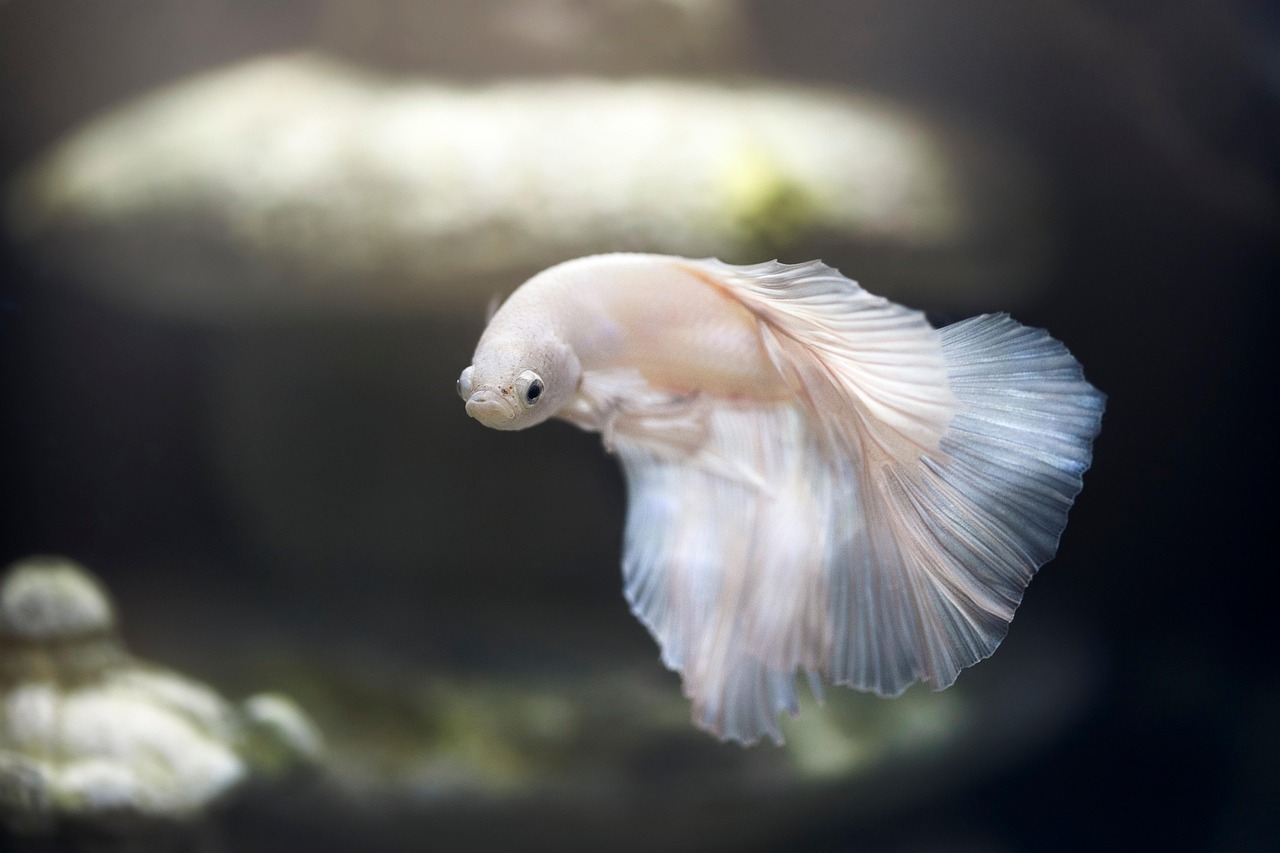
The petshop image of a betta in a flower vase or a teacup has done more damage to fishkeeping than any other single piece of marketing. A male betta is not an ornament, and treating it like one shortens a 4-5 year lifespan to 6-12 months of slow decline. This betta jar aquarium ethics alternatives guide from Gensou Aquascaping at 5 Everton Park unpacks why unheated bowls and 1-litre tanks fail the fish welfare test, and walks through the practical tank sizes, filtration and stocking setups that actually work for a single betta in a Singapore HDB flat.
The Jar Myth
The myth that bettas live in puddles comes from a misunderstanding of their wild habitat in Thailand, Cambodia and Malaysia. Wild bettas inhabit rice paddies and slow streams that span square metres of territory, not the 500 ml of a pickle jar. A male betta in the wild defends a territory of 1-2 square metres of water surface. Confinement to a small static jar produces chronic stress visible as clamped fins, colour fade and fin rot within weeks.
Temperature Is the First Welfare Issue
Bettas are tropical, needing stable 24-28°C. An unheated jar in a Singapore apartment swings between 24°C at night when the aircon runs and 31°C in the afternoon when it is off. These swings stress the immune system and trigger fungal infections. A proper tank big enough for a heater and thermostat eliminates the problem entirely.
The Ammonia Trap
A jar without filtration cycles nothing. Fish waste produces ammonia that accumulates daily because the nitrogen cycle needs bacterial media to establish. Even 100% water changes every other day leave the fish exposed to ammonia peaks between changes. Our aquarium nitrogen cycle for beginners simple guide explains why a cycled filter is the difference between a surviving fish and a thriving one.
Minimum Viable Tank Size
The welfare floor is 5 gallons (19 litres) for a single betta. That volume supports a heater, a small sponge filter and enough water to buffer parameter swings for a full week between water changes. Smaller tanks work only with obsessive daily testing. The industry consensus across UK, EU and Australian welfare bodies now endorses 5 gallons as the minimum, with 10 gallons (37 litres) preferred for planted setups.
Equipment for a 5-Gallon Betta Tank
Budget in SGD: $40-60 for the tank, $25 for a small adjustable heater, $15 for an air pump and sponge filter, $30 for substrate and plants, $20 for a heater guard and thermometer. Total under $150, which is less than the cost of a single vet visit for a sick betta. The heater is non-negotiable even in Singapore; aircon-chilled rooms drop tank temperature into the low 20s overnight. Our best aquarium heater for betta tank guide covers specific model picks.
Filter Choice Matters
Bettas dislike strong current; their laboratory-bred flowing fins drag in high flow. A sponge filter driven by an air pump at 40-60 L/h gives biological filtration without pushing the fish around. Hang-on-back filters work if you baffle the output with filter floss or a 3D-printed diffuser. Canister filters are overkill at this size.
Stocking Beyond the Betta
A 5-gallon tank can hold a single betta and a small shrimp cleanup crew like Amano or cherry shrimp, though some bettas will hunt small shrimp regardless. A 10-gallon opens up tank mates: Kuhli loaches, a small school of Celestial Pearl Danios or neon tetras, and snails for algae control. See our betta tank mates for 10 gallon tank list for vetted companions that do not trigger aggression.
Planted Versus Bare Tank
A planted tank is both decorative and functional; Anubias, Java fern and floating Salvinia give the betta resting points and break lines of sight. Live plants also process ammonia faster than a cycled filter alone. Bare tanks work for breeding setups but look sterile and require stricter maintenance because there is no plant buffer.
What About Larger Bettas
Giant bettas, plakats and wild-type Betta imbellis all follow the same 5-gallon minimum logic. Dumbo-ear and halfmoon bettas with heavy finnage benefit from 10 gallons and even lower flow. Female bettas in a sorority setup need a minimum 20 gallons because aggression disperses only across sufficient territory. Read the betta fish care guide before buying a betta of any variety.
Singapore Retail Reality
Local fish shops in Yishun and Serangoon still sell bettas in 500 ml cups, and Shopee listings regularly show 1-litre acrylic jars branded as betta tanks. Neither is acceptable. Bring a cup home only as transit packaging; the fish moves into a cycled 5-gallon within 24 hours. Singapore’s AVS welfare guidance, while not specifically prescribing tank size, explicitly names stress indicators that confinement causes.
The Ethics Summary
Any creature kept as a pet deserves an environment that allows it to express natural behaviours: swimming, exploring, resting in shade, interacting with surroundings. A jar allows none of this. A 5-gallon planted tank allows all of it for under $150. The cost gap is so small that jar-keeping is a choice, not an economic necessity. Choose the alternative and the betta repays you with colour, personality and a 4-year lifespan.
Related Reading



