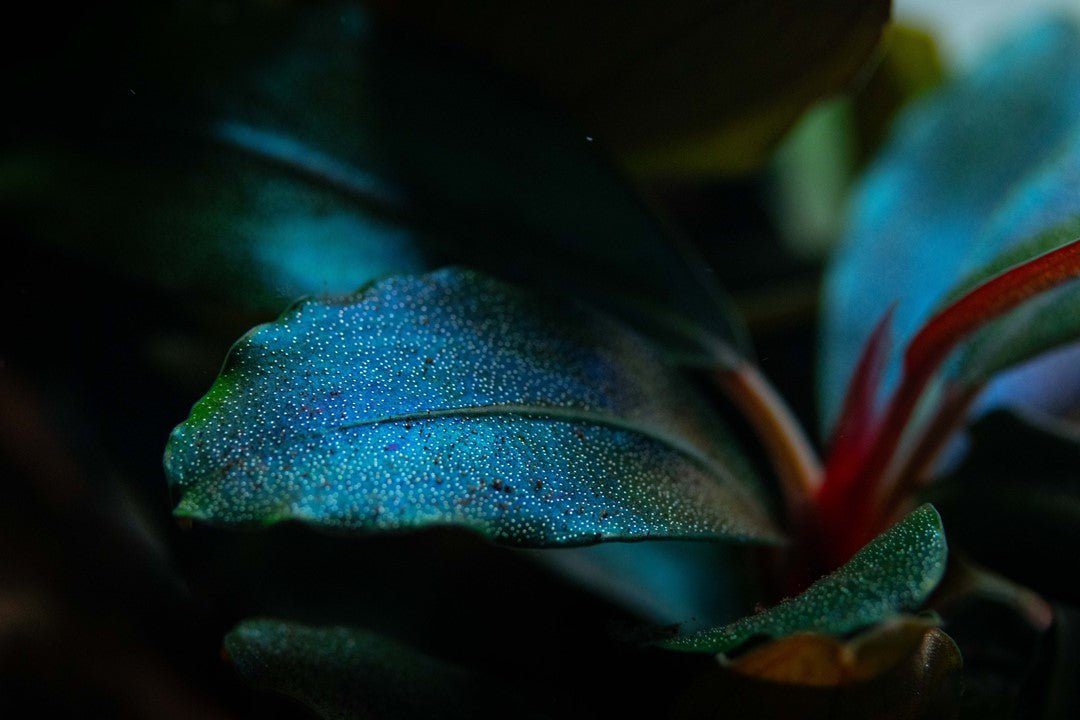
Tropica Bucephalandra sordidula ‘Blue’
You save
Out of stock
Ask on WhatsAppDescription
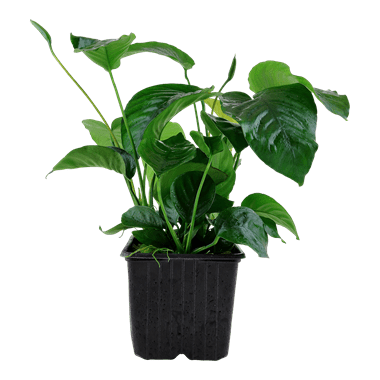
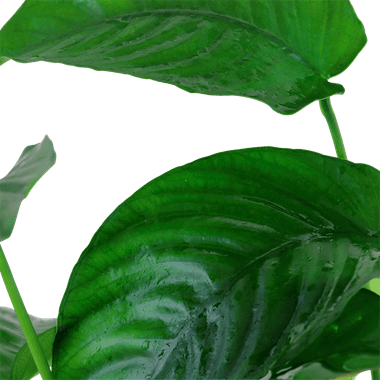
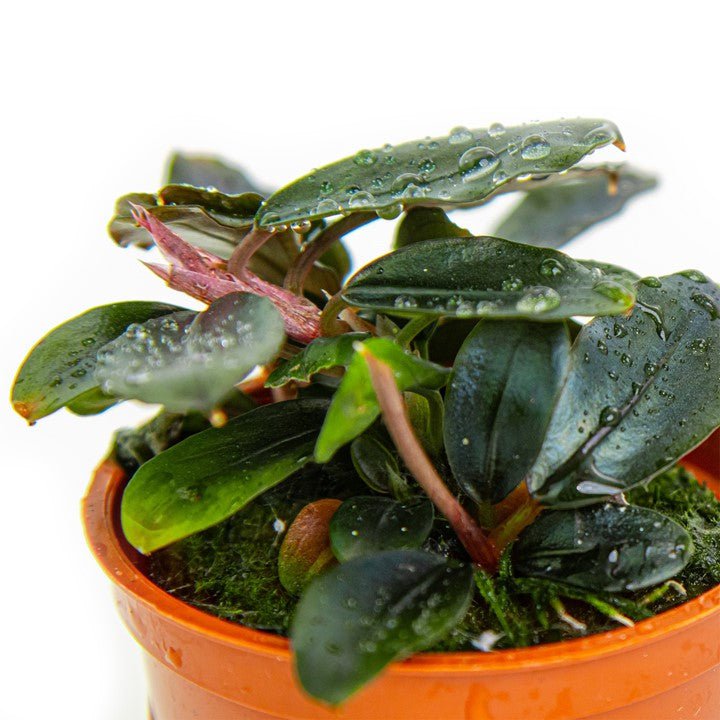
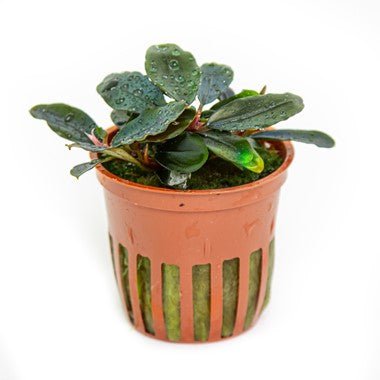
Bucephalandra Sordidula ‘Blue’ is a highly sought-after plant known for its unique, shimmering blue leaves, which add a rare touch of elegance and sophistication to aquascapes. Native to Borneo’s riverbanks, this plant is a perfect choice for creating natural, jungle-inspired scenes with rich textures and subtle hues. Its leaves display a captivating blue sheen that varies with lighting, making it ideal for aquarists seeking something truly special.
Slow-growing and easy to maintain, Bucephalandra ‘Blue’ thrives in low to moderate light, though higher lighting can enhance its color. This plant is versatile and hardy, adapting well to most aquarium conditions, making it suitable for beginners and experts alike. It’s best placed in the midground or foreground, where its unique color and texture can be admired up close. Attach it to driftwood or rocks for a natural look that mimics its natural habitat.
Key Benefits
Unique Blue Sheen: Adds an exotic and subtle color.
Low Maintenance: Thrives in a range of conditions.
Versatile Placement: Perfect for midground or foreground.
Natural Aquascaping: Ideal for attaching to hardscape elements.
Slow Growth: Retains its form with minimal trimming.
Bucephalandra Sordidula ‘Blue’ is a show-stopper for aquascapers who appreciate the rare and beautiful. Its unique colors, ease of care, and versatility make it a favorite for creating elegant, natural aquascapes.
Plant info
Origin:
Asia
Country or continent where a plant is the most common. Cultivars arise or are bred in cultivation.
Growth rate:
Growth rate of the plant compared to other aquatic plants.
Height:
5 – 10+
Average height (cm) of the plant after two months in the tank.
Light demand:
The average or medium light demand of an aquarium plant is 0,5 W/L.
CO2 :
A medium need in CO2 is 6-14 mg/L. A high demand in CO2 is approx. 15-25 mg/L.
Growing Bucephalandra sordidula ‘Blue’ in Singapore tanks
In our experience here in Singapore, Bucephalandra sordidula ‘Blue’ settles in best when you treat it as a slow epiphyte rather than a substrate plant. Tie or glue the rhizome onto wood or rock and leave it exposed, never buried, so it doesn’t rot. Our soft, slightly acidic tap water suits buce well, though we always dechlorinate to neutralise the chloramine our utility adds, since the rhizome resents harsh water swings during the first few weeks.
The blue iridescence many hobbyists chase shows up under cooler, focused LED light and stable parameters, not brute intensity. Because buce grows so slowly, algae is the real enemy in our warm 27-29C tanks, where spot algae creeps onto older leaves. We keep flow moving across the rhizome and resist over-fertilising. Expect some leaf melt after transit or planting; new growth from the rhizome is the sign it has acclimated and is the part worth protecting.
We carry a full range of these rhizome plants in our epiphytes collection. New keepers should read our Bucephalandra care guide and our notes on fixing browning Bucephalandra leaves before adding it to a freshly cycled tank.