
Congo Tetra Care Guide: Iridescent Giants of the Tetra World
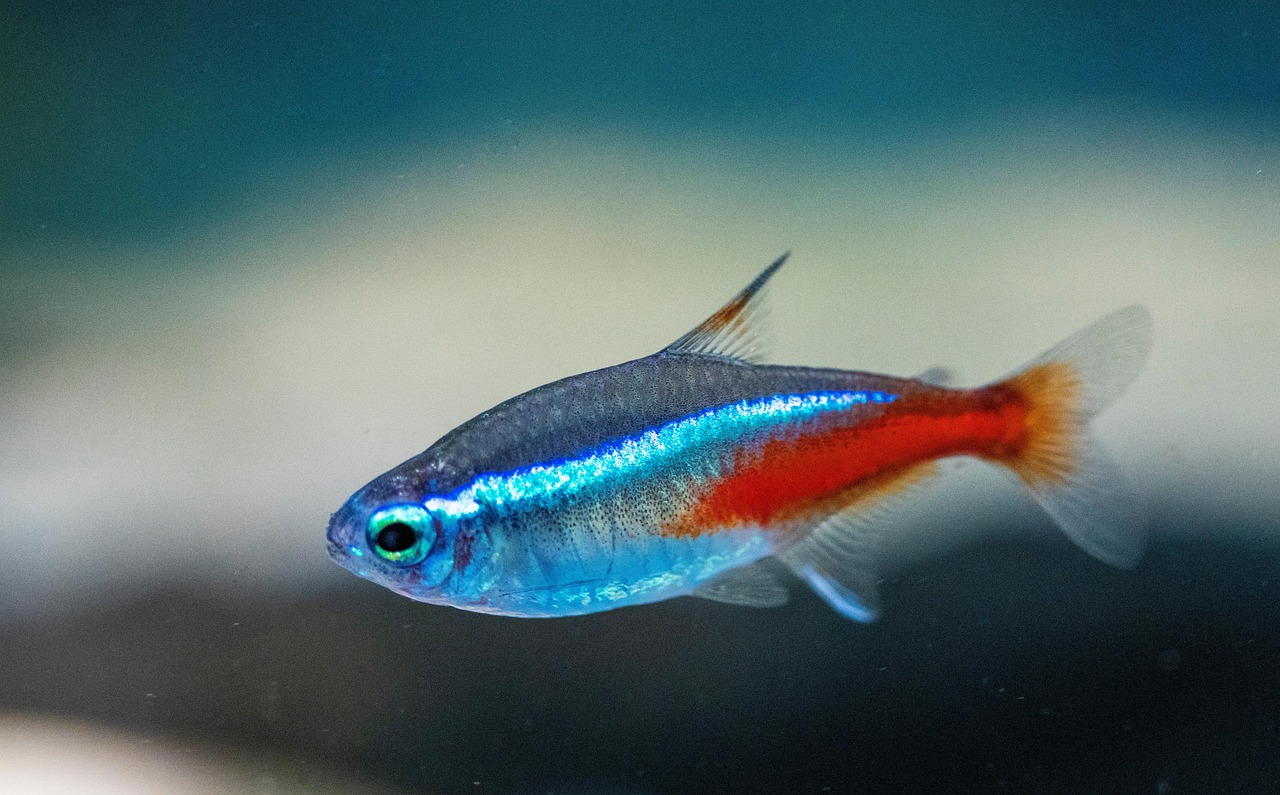
The Congo tetra (Phenacogrammus interruptus) is one of the most visually spectacular freshwater fish available. With iridescent scales that shimmer in rainbow hues and elegant flowing fins on mature males, they bring a level of sophistication to community tanks that few other tetras can match. This congo tetra care guide covers everything needed to keep these stunning African fish in Singapore conditions. This guide sits inside our broader Tropical Fish Species Master Index reference.
About Congo Tetras
Congo tetras originate from the Congo River basin in Central Africa, where they inhabit slow-moving tributaries and pools with soft, slightly acidic water. They were first described scientifically in 1899 but did not become popular in the aquarium trade until the 1970s, when captive breeding programmes made them widely available.
Unlike the small tetras most hobbyists are familiar with (neon tetras, cardinal tetras and the like), Congo tetras are a genuinely large tetra species. Males can reach 8 cm or more, and females typically grow to around 6 cm. This larger size, combined with their need to be kept in schools, means they require more spacious tanks than beginning aquarists might expect.
Appearance and Identification
Congo tetras are prized for their remarkable iridescence. The body displays a shimmering gradient of blue, gold, orange and green that shifts as the fish moves through the light. The effect is most pronounced under good LED lighting with a dark substrate.
Males are noticeably larger and more colourful than females, with several distinguishing features:
- Fins: males develop elongated dorsal, anal and caudal fins with wispy extensions. The central rays of the tail fin extend into a distinctive filament.
- Colour: males show more intense iridescence, particularly along the lateral line, with stronger blue and gold tones.
- Body shape: males are deeper-bodied and slightly larger overall.
Females, while less flamboyant, still display attractive gold and green iridescence. They are smaller with shorter, rounded fins.
It is worth noting that Congo tetras take time to develop their full colouration. Juvenile fish in shops often look rather plain. Give them six months in good conditions and the transformation is remarkable.
Tank Requirements
Congo tetras need more room than most community tetras. A school of six to eight fish requires a tank of at least 120 litres, and larger is always better. A 180-200 litre tank allows a proper school to display natural behaviour.
| Requirement | Recommendation |
|---|---|
| Minimum tank size | 120 litres |
| School size | 6-8 minimum (10+ ideal) |
| Tank length | 90 cm or longer preferred |
| Filtration | Moderate flow; avoid strong currents |
| Lighting | Moderate; good quality LED to showcase iridescence |
| Substrate | Dark sand or fine gravel (enhances colour display) |
Aquascaping for Congo tetras should balance planted areas with open swimming space. They are mid-water swimmers and need room to cruise. Dense planting along the back and sides with an open foreground works well. Use hardy plants like Java fern, Anubias and Vallisneria, as Congo tetras may occasionally nibble on very soft-leaved plants.
A dark substrate is particularly important. Against a light-coloured bottom, Congo tetras often appear washed out and nervous. A dark sand brings out their full iridescent glory.
Water Parameters
Congo tetras prefer soft, slightly acidic water, which aligns reasonably well with Singapore’s tap water characteristics:
| Parameter | Ideal Range | SG Tap Water |
|---|---|---|
| Temperature | 24-28 C | 28-32 C (ambient) |
| pH | 6.0-7.5 | 6.5-7.5 |
| GH | 3-12 dGH | 1-4 dGH |
| KH | 2-8 dKH | 1-3 dKH |
Singapore’s soft, slightly acidic tap water is actually quite suitable for Congo tetras. The ambient temperature of 28-30 C is at the upper end of their range but is well tolerated. These fish handle Singapore conditions without any special adjustments, making them a far more sensible choice than cold-water species.
As with all fish in Singapore, always treat tap water with a dechlorinator that handles chloramine. PUB uses chloramine rather than free chlorine, and standard chlorine removers may not be sufficient.
Congo tetras are sensitive to poor water quality. Regular weekly water changes of 25-30% are important. They do not tolerate elevated ammonia or nitrite, and nitrates should be kept below 20 ppm for best colour and health.
Feeding
Congo tetras are omnivores and not at all fussy about food. They accept a wide range of offerings:
- Staple: high-quality flake or slow-sinking granules
- Frozen foods: bloodworms, brine shrimp, daphnia and mysis shrimp
- Live foods: brine shrimp, daphnia and mosquito larvae (excellent for conditioning)
- Vegetable matter: spirulina-based foods help maintain colour intensity
Feed two to three times daily in small portions. Congo tetras are mid-water feeders and prefer food that drifts through the water column rather than sinking quickly to the bottom. They can be slightly shy during feeding, especially if kept with more assertive species, so ensure they are actually getting food.
A varied diet with regular protein-rich foods enhances the iridescent colouration considerably. Fish fed only on basic flake food never develop their full colour potential.
Tank Mates
Despite their size, Congo tetras are peaceful and somewhat timid. They do best with other calm, non-aggressive community fish. Ideal companions include:
- Other medium-sized tetras (black neon tetras, emperor tetras)
- Rainbowfish
- Corydoras catfish
- Bristlenose and other peaceful plecos
- Peaceful dwarf cichlids (rams, Apistogramma species)
- Peaceful gouramis (honey gourami, pearl gourami)
- Larger rasboras (harlequin rasboras)
Avoid the following:
- Fin nippers: tiger barbs and serpae tetras will shred Congo tetra fins
- Aggressive cichlids: anything territorial will stress them
- Very small fish: tiny species like microrasboras may be at risk, though Congos are rarely predatory
- Boisterous feeders: aggressive feeders can outcompete shy Congos at mealtimes
Congo tetras display their best behaviour and colour in larger groups. A school of ten or more in a well-planted tank is truly spectacular, as the males will display to each other with fins flared, catching the light.
Breeding
Breeding Congo tetras in the home aquarium is possible but challenging. They are egg scatterers, and the parents readily eat their own eggs.
Key breeding requirements include:
- A separate breeding tank with spawning mops or fine-leaved plants like Java moss
- Soft, acidic water (pH 6.0-6.5, GH 2-4 dGH)
- Slightly warmer water (26-28 C)
- Conditioning with protein-rich live and frozen foods for several weeks
- Low lighting with morning sunlight sometimes triggering spawning
Females scatter 200-300 relatively large eggs among the substrate and plants. Remove the parents immediately after spawning. Eggs hatch in approximately six days, and fry become free-swimming a few days later. First food should be infusoria, followed by newly hatched brine shrimp after a week.
The long incubation period means eggs are vulnerable to fungus. Adding a small amount of methylene blue to the breeding tank can help prevent fungal growth.
Common Issues
Faded Colouration
If your Congo tetras look pale and washed out, consider these factors: light substrate (switch to dark), insufficient school size (add more fish), poor diet (add variety), stress from aggressive tank mates or inadequate hiding spots. Good conditions are essential for their colour to develop fully.
Fin Damage
The flowing fins of male Congo tetras are targets for fin-nipping species. Ensure tank mates are genuinely peaceful. Fin damage can also result from poor water quality or bacterial infection. Maintain pristine water conditions and the fins will regrow.
Shyness
Congo tetras can be unusually timid, hiding constantly if they feel insecure. Solutions include increasing school size, adding floating plants for overhead cover, reducing aggressive tank mates and ensuring the tank is positioned in a low-traffic area away from sudden movements and noise.
Frequently Asked Questions
Are Congo tetras suitable for Singapore’s climate?
Yes. Congo tetras tolerate temperatures up to 28-30 C quite well, making them suitable for most HDB and condo setups without a chiller. Singapore’s soft, slightly acidic tap water also suits their preferences. They are an excellent choice for local fishkeepers wanting a stunning community fish.
How many Congo tetras should I keep?
A minimum of six, but eight to ten or more is strongly recommended. Congo tetras are schooling fish that display much better colour, reduced stress and more natural behaviour in larger groups. In groups of fewer than six, they tend to be pale and permanently nervous.
Will Congo tetras eat shrimp?
Adult Amano shrimp and larger cherry shrimp are generally safe with Congo tetras. However, baby shrimp and very small shrimp species are at risk. If you are actively breeding shrimp, a separate tank is advisable. Congo tetras are not particularly predatory, but they will eat anything small enough to fit in their mouths.
Bring Iridescent Beauty to Your Tank
Congo tetras are one of the most underappreciated species in the hobby. A school of mature males displaying under good lighting is a sight that rivals any marine aquarium for sheer visual impact. If you are looking to add these magnificent fish to your setup, visit our shop or contact us at 5 Everton Park. Our team can also help you design a custom aquarium that showcases Congo tetras at their absolute best.
Related Reading



