
Caridina Selective Breeding and Culling: Grade Improvement
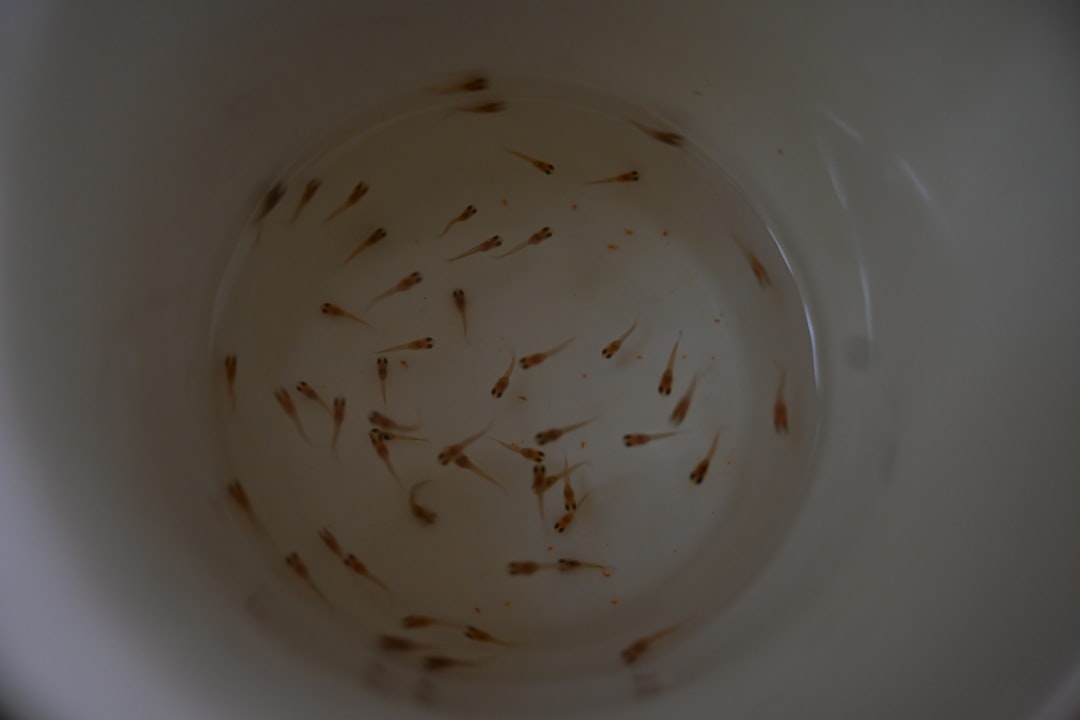
Grading up a Caridina colony from Crystal Red A-grade to SSS+ Mosura patterns takes four to six generations of disciplined selection and separation. A caridina selective breeding culling project is less brutal than it sounds — culling in shrimp keeping usually means separating lower-grade individuals to a second tank or selling them, not killing them. This honest guide from Gensou Aquascaping at 5 Everton Park covers grade criteria, separation logistics, and what 18 to 30 months of work actually yields.
Quick Facts
- Caridina generation time is 4 to 5 months from egg to breeding adult
- A selective project needs at least 2 tanks: main breeding and cull/sale tank
- Grade standards: C, B, A, S, SS, SSS for Crystal Red and Crystal Black
- Mosura, Hinomaru, and Flower patterns are trait-specific within grades
- Realistic colony improvement: 1 grade level every 2 to 3 generations
- Expect 60 to 80 percent below-target offspring per spawn even from SS pairs
- Parameters: GH 4-6, KH 0-1, TDS 100-140, pH 5.8-6.4, 22-24°C
Start with Honest Grading
Grade your current colony under bright white light at 6500K. Crystal Red A grade shows white bands with some transparency in red; S grade shows opaque white and solid red with clear band borders; SS shows thick white bars covering most of the body; SSS shows near-full white coverage with only red accents. Mosura shows a specific head-and-tail red pattern with white body. Hinomaru shows a solid red spot on a white body.
Most hobbyist colonies start at A to S grade level. Improving by one full grade requires 2 to 3 generations of selective breeding, which at 4 to 5 months per generation means 8 to 15 months per grade step.
Parameters First, Genetics Second
Caridina show their genetic potential only in stable water. Target GH 4 to 6, KH under 1, TDS 100 to 140, pH 5.8 to 6.4, temperature 22 to 24°C. Singapore tap water is soft but slightly chloraminated — use RO or distilled remineralised with Salty Shrimp GH+ at 1 teaspoon per 20 litres to hit GH 6. A chiller is essential; ambient HDB temperatures of 28 to 30°C push Caridina into stress mode where colour and breeding both suffer.
Poor parameters mask genetics. A potential SS shrimp in bad water shows A-grade colour. Fix water first, grade second.
The Two-Tank System
Main tank holds your selected breeders — the top 20 percent of grades. Cull tank holds offspring that do not meet target criteria — the remaining 80 percent, which can be sold, traded, or grown out for colour reassessment. Most hobbyists use 40-60 litre cube tanks for each, with identical parameters to avoid acclimation stress when moving shrimp.
Every 4 to 6 weeks, grade juveniles at around 1 cm body length when colour becomes reliably visible. Move below-grade individuals to the cull tank. Keep pressure on the main colony’s genetic profile.
Selecting Breeders
Retain the top 5 to 10 males and 10 to 20 females in the main tank. Remove excess males to prevent dominant breeding behaviours from narrowing the gene pool too fast. A 1:2 male to female ratio maximises fertile pairings. Retired or damaged individuals move to the cull tank even if they are high grade — their breeding contribution is done.
Never breed siblings for more than two generations without introducing unrelated stock. Inbreeding depression in Caridina shows as reduced berried female counts, smaller broods (10 to 15 instead of 25 to 40), and colour fading. Bring in an unrelated high-grade male every 3 to 4 generations.
Generation Timeline
F0 (your starting colony): grade and select top 20 percent for main tank. 0 months.
F1 juveniles mature and berry: 4 to 5 months. Grade F1 offspring at 6 to 8 months.
F2 grading: 10 to 15 months. Expect visible improvement in average colony grade — more S, some SS.
F3 grading: 16 to 20 months. SSS and Mosura patterns begin appearing in meaningful percentages (10 to 20 percent of offspring).
F4 and beyond: 24+ months. Colony average holds at high grade, and you start trading or selling high-grade excess to offset tank and equipment costs.
Expected Offspring Ratios
Even an SS pair produces offspring across grades. Typical distribution: 10 percent SS or higher, 30 percent S, 40 percent A to B, 20 percent below. This is genetics — heterozygosity for multiple trait loci plus environmental variation during growth. You cannot change this distribution; you can only keep the top tier and re-breed.
After four generations of selection, SS pair distributions shift toward 30 percent SS, 40 percent S, 20 percent A, 10 percent below — a real but gradual improvement.
Handling Pattern Traits
Mosura, Hinomaru, Flower, and No-Entry patterns are separate trait loci from the bar grading system. You can select for both simultaneously but it doubles the effort — retain only individuals showing both high grade and strong pattern expression. Available Singapore stock includes enough pattern-carrier lines to work with; pure Taiwan imports from reputable breeders cost $80 to $300 per shrimp but jumpstart a project significantly.
Financial and Space Reality
A serious project needs 2 to 3 tanks, a chiller, RO unit, and regular supplementation — roughly $800 to $1500 in setup. Running costs for a chiller alone add $15 to $30 per month to the electricity bill. Selling graded shrimp offsets this: SS individuals move at $15 to $40 each in Singapore, SSS and Mosura at $30 to $100. A productive colony generating 30 saleable shrimp monthly after year two can break even on running costs.
What Culling Actually Looks Like
Cull tank shrimp live normal lives and often sell to beginners who want healthy Caridina without chasing grades. No euthanasia is involved in standard hobbyist practice. The word “culling” in shrimp breeding carries baggage from other contexts; in reality, you are running two colonies with different breeding goals. The cull tank produces pets; the main tank produces show-grade stock. Both serve the hobby.
Related Reading
Advanced Shrimp Selective Breeding
Aquarium TDS Explained for Shrimp Keepers
Best Aquarium Substrate for Shrimp
Best Aquarium GH Booster Shrimp
Aquascape for Crystal Red Shrimp Contest



