
Cumana Endler Locality Strain Care Guide: Wild Type Endler
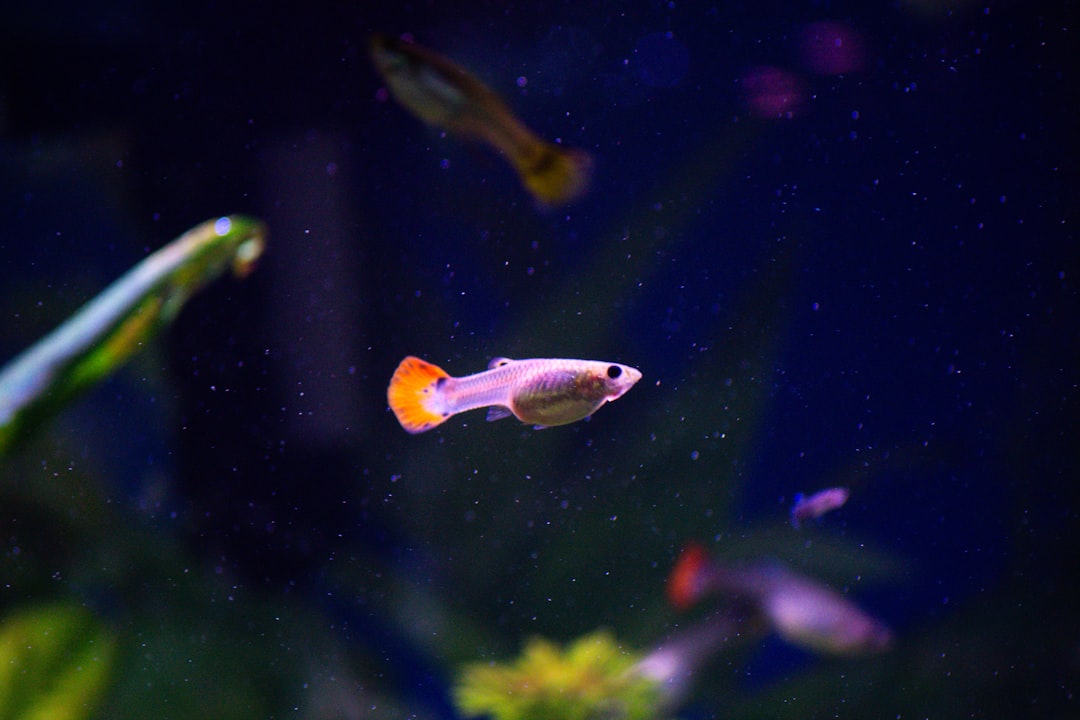
The coastal city of Cumana in northeastern Venezuela has lent its name to one of the most prized wild-type Endler localities in the entire livebearer world. The cumana endler strain is registered as Class N pure wild stock and represents tiny Poecilia wingei at its most authentic — no sword extensions, no veil tails, just brilliant yellow-orange fish under three centimetres long. This guide from Gensou Aquascaping at 5 Everton Park covers the locality’s history, the rigour required to keep it pure, and how Singapore hobbyists can verify what they are buying.
Heritage and Founding
The Cumana population was first formally collected by Franklyn Bond in 1937 and rediscovered by John Endler in 1975. The Laguna de los Patos and surrounding brackish-influenced pools yielded the smallest, brightest Endlers ever documented. European preservation breeders, particularly Adrian Hernandez Tello and Philip Voisin, established the modern Cumana lineage that now circulates in Asia.
Signature Specialty
The Cumana hallmark is a clean lemon-yellow body that grades into brilliant orange across the shoulder, paired with a sharp black peduncle spot and minimal iridescent scaling. There is no double sword, no extended dorsal — fins remain small and rounded. The fish photograph beautifully against dark substrates because the colour saturation reads as pure pigment rather than structural sheen.
Distinguishing Traits
Adult males max out at 2.5 cm, making Cumana the smallest Endler locality in the hobby. Females reach 3.5 cm and remain unmarked silver. Body shape is slightly more torpedo-like than Santa Maria, and the snout sits noticeably more pointed. These cues, combined with simple unmodified fins, separate true Cumana from K-class hybrids on sight.
Genetics and Breeding
Cumana stock is bred as a closed pedigree with no outcrossing tolerated. Even crossing two different Cumana sub-lines is debated within the preservation community. Maintain three or more separate breeding tanks, rotate trios every six months, and cull any male showing finnage exceeding the wild type. Selective intensity stays low — preservation, not improvement, is the goal.
Notable Specimens
The Voisin-line Cumanas exhibited at the 2015 European IKGH show set the modern benchmark for pattern purity. Bangkok preservation breeders have maintained matching lines since the early 2000s and supply most of Asia. A handful of Singapore keepers run documented colonies traceable to European founder stock.
Singapore Sourcing
Pure Cumana arrives in Singapore through private Telegram swaps, occasional Bangkok import shipments, and rare Carousell listings from documented breeders. Be wary of mass-market shop “Cumana” — most are tiger hybrids or shop-line N-class blends. The freshwater fish category at Gensou occasionally features verified imports.
SGD Pricing
True Cumana pairs trade at SGD 25-50, with documented pedigree trios climbing to SGD 70-100. Top-line breeder stock with multi-generation Carousell or Telegram lineage records can hit SGD 100+. Cheap listings under SGD 12 are almost certainly hybrids.
Care Considerations
Cumana thrives in moderately hard water: GH 10-15, KH 4-8, pH 7.5-8.2, 24-27°C. PUB tap needs remineralisation with Seachem Equilibrium or crushed coral. A 30-litre planted tank with Salvinia floating plants and a low-flow sponge filter suits them perfectly. Feed crushed flake, Moina, microworm and occasional baby brine shrimp.
Counterfeit Risk and Hybridisation
Cross-contamination from fancy guppies or K-class hybrids destroys a Cumana colony permanently. Female Endlers store sperm for up to three months, so even a brief co-housing event with a fancy guppy male introduces unwanted genes through future spawns. Use a dedicated quarantine separation tank, label every container, and never trust unverified seller claims. Always ask for breeder pedigree photos and previous-generation documentation.
Future and Modern Continuation
The wild Cumana habitat continues to face urbanisation pressure and water quality decline. Captive preservation through dedicated hobbyist colonies has become genuine in-situ conservation work. Singapore breeders contributing to the international stud books help safeguard a wild type that may not survive in nature.
Related Reading



