
Didiplis Diandra Care Guide: Delicate Water Hedge
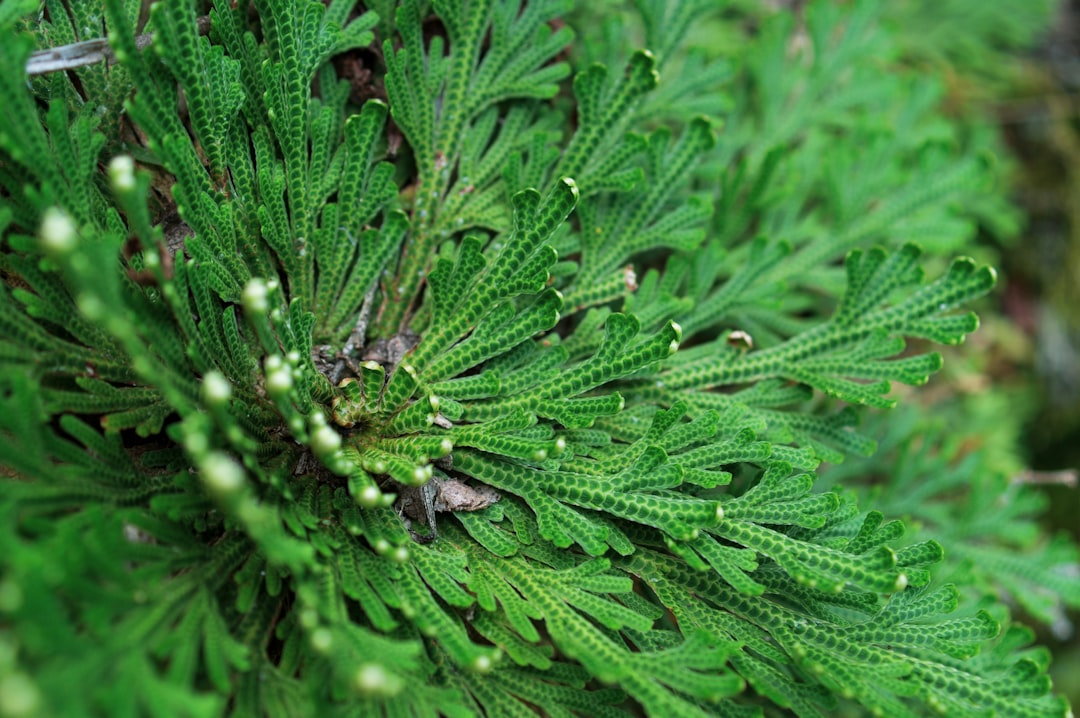
Didiplis diandra, commonly called water hedge, is a North American native stem plant that produces dense, fine-leaved growth resembling a tiny conifer hedge. Under strong lighting, its tips turn a striking orange-red, creating a miniature autumn forest effect in your aquascape. This didiplis diandra care guide from Gensou Aquascaping at 5 Everton Park covers how to succeed with this rewarding intermediate-level plant.
Plant Profile
Didiplis diandra is found in still and slow-moving freshwater across the eastern United States. It grows to 15–30 cm in aquariums, with opposite pairs of narrow, lance-shaped leaves densely packed along the stem. The leaves are just 1–2 cm long and 2–3 mm wide, giving the plant its characteristic fine-textured, hedge-like appearance. Growth rate is slow to moderate.
Lighting Requirements
This is a high-light plant. Didiplis diandra needs at least 60–80 PAR at substrate level to thrive. Under strong lighting, the upper portions develop beautiful orange to red colouration. Insufficient light causes the lower leaves to yellow and drop, leaving leggy, unattractive stems. Position it in the brightest area of your tank, unshaded by taller plants.
CO2 and Fertilisation
CO2 injection is strongly recommended for Didiplis diandra. While it can survive without CO2, growth will be sparse and the plant will struggle to reach its potential. Maintain CO2 levels of 20–30 ppm for best results. Dose comprehensive liquid fertiliser including iron and micronutrients — iron is essential for the red colouration. Nitrate limitation can also enhance redness, but avoid starving the plant entirely.
Planting and Propagation
Plant individual stems 1–2 cm apart for a dense hedge effect. The stems are delicate, so use fine-tipped planting tweezers and handle gently. Bury two to three nodes in the substrate. Propagate by cutting the top 5–10 cm and replanting. The lower stem produces side shoots, eventually creating the dense, bushy growth this plant is known for. Nutrient-rich substrate is preferred.
Trimming
Regular trimming is essential to maintain the hedge shape. Cut to the desired height every two to three weeks. After repeated trimmings, the lower stems become increasingly branched and dense — this is the desired effect. If lower leaves begin to die from light blockage, uproot, replant only the healthy tops and start the hedge again.
Common Issues
Lower leaf loss is the most common problem, caused by insufficient light reaching the base of dense plantings. Ensure lighting is strong and the hedge is not too tall. Stunted growth with curled leaves indicates CO2 or nutrient deficiency. Algae on the fine leaves can be devastating — maintain stable CO2 and nutrient levels to prevent it. Clean-up crew members like Amano shrimp help keep leaves clear.
Aquascaping Uses
Didiplis diandra excels as a midground hedge or accent plant. Its fine texture provides excellent contrast against broader-leaved plants like Anubias or Cryptocorynes. In Dutch-style aquascapes, it creates the structured “street” effect prized by competition aquascapers. Small groups work as colour accents in nature-style layouts, adding warm tones to predominantly green compositions.
Singapore-Specific Tips
Singapore’s warm water temperatures suit Didiplis diandra well, though it prefers the lower end of tropical temperatures (22–26 °C). If your tank runs above 28 °C, a cooling fan helps. Available at speciality plant shops in Singapore, often in tissue culture form. Tissue culture plants adapt to submersed growth within two to three weeks. Join local planted tank communities online to source this less common species.
Conclusion
Didiplis diandra rewards dedicated care with a uniquely beautiful hedge effect that few other aquarium plants can match. Its fine texture and warm autumn colouration elevate any aquascape. Visit Gensou Aquascaping at 5 Everton Park for expert advice on incorporating this stunning plant into your layout.



