
Dinoflagellates Reef Tank Eradication: Brown Snot Removal
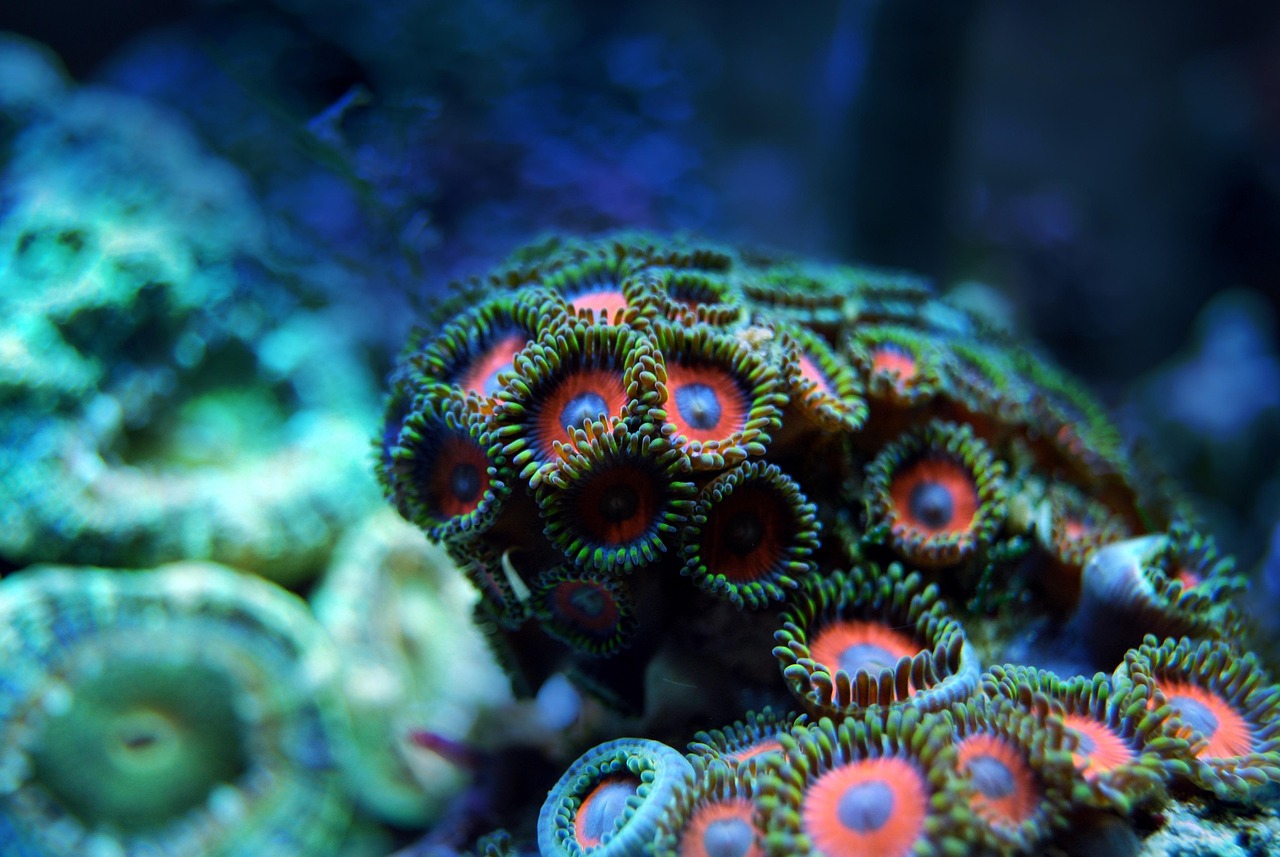
Few reef problems humble experienced aquarists like dinoflagellates, the bubbly brown snot that drapes sand beds and corals while stubbornly resisting anything that kills normal algae. Dinoflagellates reef tank eradication demands a multi-front campaign, because a single intervention almost always leaves survivors that repopulate within days. This guide from Gensou Aquascaping in Singapore outlines the four-tool strategy refined over hundreds of reef rescues: blackout, nutrient correction, UV sterilisation, and hydrogen peroxide as a carefully measured last resort. This guide sits inside our broader Saltwater Reef Tank Master Guide reference.
Quick Facts
- Organism: single-celled protists, commonly Ostreopsis, Amphidinium, Coolia
- Appearance: brown, slimy strands with trapped oxygen bubbles, worst by afternoon
- Trigger: ultra-low nitrate (under 1 ppm) and phosphate (under 0.03 ppm)
- First-line treatment: 72-hour blackout combined with nutrient dosing
- UV sterilizer: 9-18 W for tanks under 200 litres, run 24/7 during outbreak
- Last resort: 1 ml 3% hydrogen peroxide per 4 litres, spot or whole-tank
- Recovery timeline: 2-6 weeks to full clearance in most cases
Why Dinoflagellates Are Different
Dinos are not algae. They are mobile protists that swim vertically in the water column at night and settle onto surfaces during the day, which is why they appear heaviest by mid-afternoon. Many species produce potent neurotoxins that sicken fish and corals, and some release a sticky mucopolysaccharide that repels hermits and cleaner crews. Conventional algae treatments fail because dinos photosynthesise but also absorb organic carbon, living happily on almost nothing.
Identifying the Strain
Take a sample and look under 100x magnification. Amphidinium is small, benthic, and easiest to beat; Ostreopsis is larger, toxic, and hardest. Mobile cells indicate UV will be effective. A reef club in Singapore runs a monthly microscopy session where hobbyists identify outbreaks correctly before spending on treatments.
Blackout as the Opening Move
Cover the tank completely for 72 hours. Dinos photosynthesise during the day and reproduce at night; starving them of light breaks the cycle. Maintain flow and aeration but turn off all display lighting, including ambient room light seeping through gaps. Feed minimally. Corals tolerate three days of darkness without lasting damage, though SPS colour may fade temporarily.
Raising Nutrients Deliberately
The counterintuitive fix: add nitrate and phosphate to feed your beneficial algae and outcompete the dinos. Target nitrate at 5-10 ppm and phosphate at 0.05-0.1 ppm using Brightwell NeoNitro and NeoPhos, or household potassium nitrate and monopotassium phosphate dosed by weight. Skip skimming and GFO during the rebuild phase. Within a week, green film algae returns and dinos retreat.
UV Sterilizer Deployment
A properly sized UV unit intercepts dinos in their nocturnal swimming phase. Run a 9 W unit for tanks up to 100 litres and 18 W for larger systems, plumbed so flow rate hits 150-300 litres per hour for lethal contact time. Replace the bulb annually; older UV tubes lose germicidal output long before they visibly fail. This single piece of equipment resolves many outbreaks without further intervention.
Hydrogen Peroxide as Last Resort
When blackout, nutrients, and UV fail, dose 3% pharmacy hydrogen peroxide at 1 ml per 4 litres directly into the main display, split across four additions over 30 minutes. Peroxide oxidises dino cell walls but also stresses corals and fish. Heavy aeration is mandatory and a protein skimmer should be temporarily disconnected because it will froth over. Never exceed the dose and never dose a tank with light bioload. Spot-dosing affected rocks in a bucket is safer.
Rebuilding the Microbiome
Seed the system with dosed bacteria (Microbacter 7 or equivalent) and add live rock rubble or sand from a healthy tank. Introduce a diverse pod population via copepod bottles. Dinos dominate sterile systems; diverse microbiomes suppress them. A single Trochus or Cerith snail should never be the entire clean-up crew.
Preventing Return
Never chase zero nitrate or zero phosphate again. Reef tanks thrive at 2-5 ppm nitrate and 0.03-0.08 ppm phosphate indefinitely. Replace carbon and GFO media less aggressively. Keep the refugium lit during display darkness to pull excess nutrients. Most Singapore reef tanks that clear dinos and hold a stable, slightly dirty nutrient profile never see the brown snot again.
Related Reading
Green Water Aquarium Fix
Black Beard Algae Removal Guide
Staghorn Algae Treatment Guide
Brown Algae New Aquarium
CO2 at Night Aquarium



