
Discus Water Parameters with RO/DI Guide: Soft Water Recipe
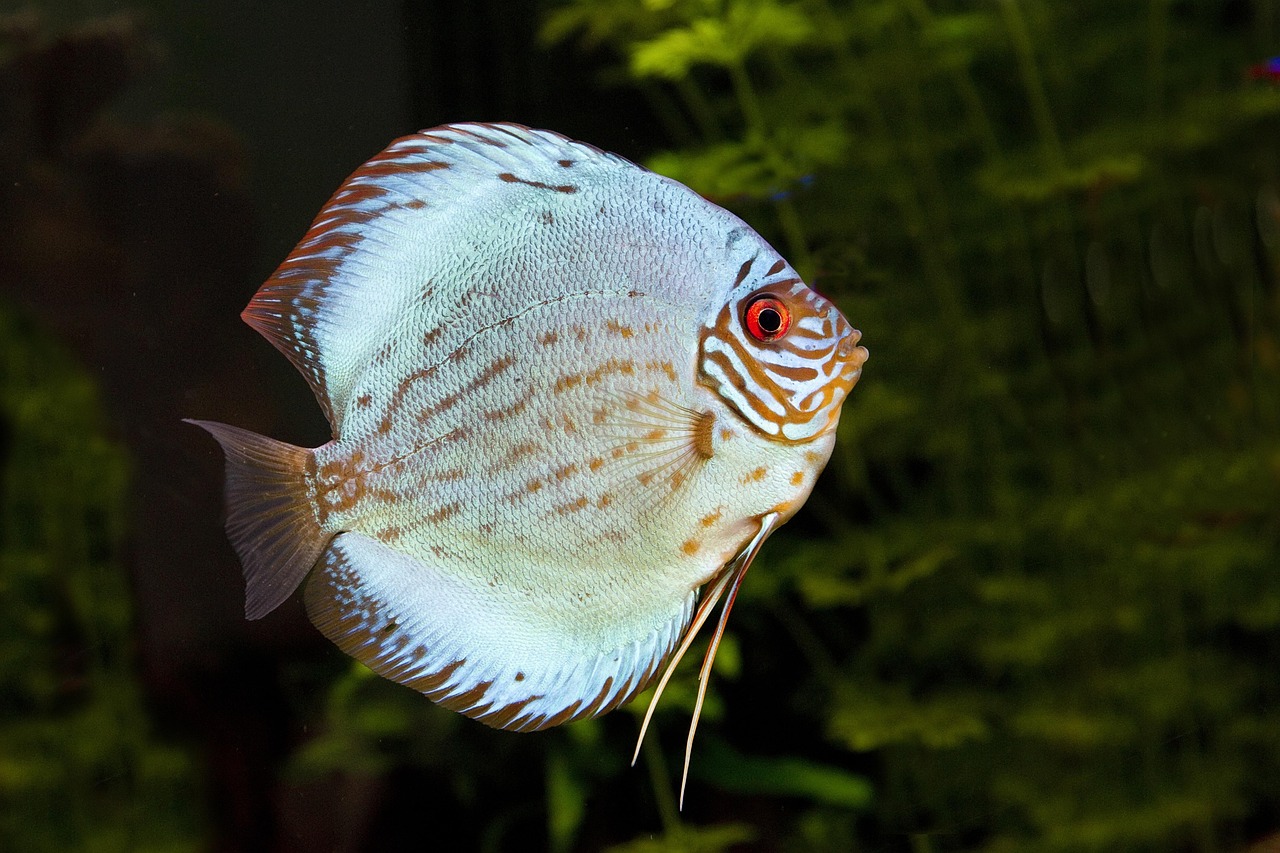
Good discus keeping eventually leads to RO or DI water, especially for wild fish or for breeders who want stability no tap system can deliver. This discus water parameters RO/DI guide from Gensou Aquascaping in Singapore walks through target TDS, remineralisation recipes, and the practical decisions between tap-bred Stendker-style husbandry and blackwater wild-style husbandry. Most captive discus are Symphysodon aequifasciatus selections that accept a wide tolerance; wild Heckel S. discus demand tighter chemistry.
Quick Facts
- RO output TDS: typically 5-15 ppm
- DI polish TDS: under 2 ppm
- Target TDS tank-bred: 150-300 ppm
- Target TDS wild blackwater: 30-80 ppm
- Temperature: 28-30°C
- pH tank-bred: 6.5-7.2; wild: 4.5-6.0
- Chloramine in Singapore tap: remove with full-strength dechlorinator
Why RO/DI at All
Singapore PUB tap water is soft (GH 2-4, KH around 1-2, pH 7.2-8.0 depending on plant source) and carries chloramine that demands proper neutralisation. For tank-bred Stendker, pigeon blood, and similar selections, dechlorinated tap water works well. The reasons to move to RO are: keeping wild discus, running a large breeding rack where variable tap quality is a risk, and producing show-quality fry at ultra-soft conditions.
RO vs DI vs RO/DI
A reverse osmosis membrane strips most ions and produces water around 5-15 ppm TDS depending on feed water and membrane age. A deionisation stage (mixed-bed resin) polishes that to 0-2 ppm. For discus, pure RO at 10 ppm is usually sufficient; DI polish is worthwhile only for blackwater Heckels and shrimp setups. A 75 or 100 GPD RO unit from a Singapore aquarium supplier costs around $150-300 and delivers 280-380 litres per day depending on feed pressure.
Remineralisation Basics
Pure RO water holds no buffering and crashes pH easily. You add back controlled mineral content via a GH booster (calcium and magnesium sulphates) and optionally KH booster (sodium bicarbonate) if you want alkalinity. Common products include Salty Shrimp GH+, Seachem Equilibrium, and Preis discus mineral. Each raises GH by a measured dose per litre; follow label calibration with a TDS meter.
Recipe for Tank-Bred Discus
Mix pure RO with Salty Shrimp GH/KH+ at 1.5-2 g per 20 litres, target TDS 200-250 ppm, GH 4-5, KH 1-2, pH 6.8-7.2 after aeration for 24 hours. Temperature stabilised at 29°C. This suits Stendker, pigeon blood, blue diamond, leopard, snakeskin and other selectively bred S. aequifasciatus strains. Change 40-50 per cent weekly for adults.
Recipe for Wild Heckel and Blackwater
Mix pure RO with Salty Shrimp Discus mineral at 1 g per 40 litres, target TDS 40-60 ppm, GH 1, KH 0. Acidify with catappa leaf extract, alder cones and peat in line, target pH 4.8-5.3. Temperature 29-30°C. Aerate 24 hours before water change. Never skip the botanical step; chemical acidifiers alone leave the biofilm unsupported and fish show pattern loss within days.
Mixing Aged Water
Dedicate two food-grade 60 litre tubs for aged water preparation. Mix RO with mineral, aerate with a small air pump for 24 hours, heat to tank temperature with an inline heater. Mixing partway with heavy aeration ensures full dissolution of the mineral powder, which otherwise settles and gives under-dosed changes. Always measure final TDS with a calibrated meter before transfer.
Monitoring Equipment
A reliable TDS pen and a digital pH meter with calibration solutions are non-negotiable for RO-based keeping. Cheap TDS sticks drift fast in acid water. Calibrate pH meters monthly using fresh pH 4.0 and 6.86 buffers; old calibration fluid reads false high. A GH/KH drop test kit confirms remineralisation; monthly cross-checks against TDS catch resin exhaustion early.
Common Mistakes
Using pure RO without remineralising causes pH crashes within days. Top-up-only practices (adding RO only for evaporation) do not count as water changes and concentrate organics. Mixing tap and RO without remineralisation produces unstable mid-TDS water worse than either extreme. Switching between tap-bred and wild husbandry mid-tank stresses fish; decide your target chemistry before buying stock.
Singapore Practical Notes
RO units install easily under HDB kitchen sinks with T-connector feeds. Booster pumps help where feed pressure drops below 3 bar. Budget for membrane replacement every two years in humid climate. Local shops at Clementi and Serangoon stock RO units, Salty Shrimp minerals, and TDS meters. For small-scale keepers, buying pre-made RO from aquarium shops at around $2 per 20 litre jerry is a cost-effective start before installing a home system.
Related Reading



