
Endler Livebearer Hybrid Guide: Crosses, Classes and Keeping
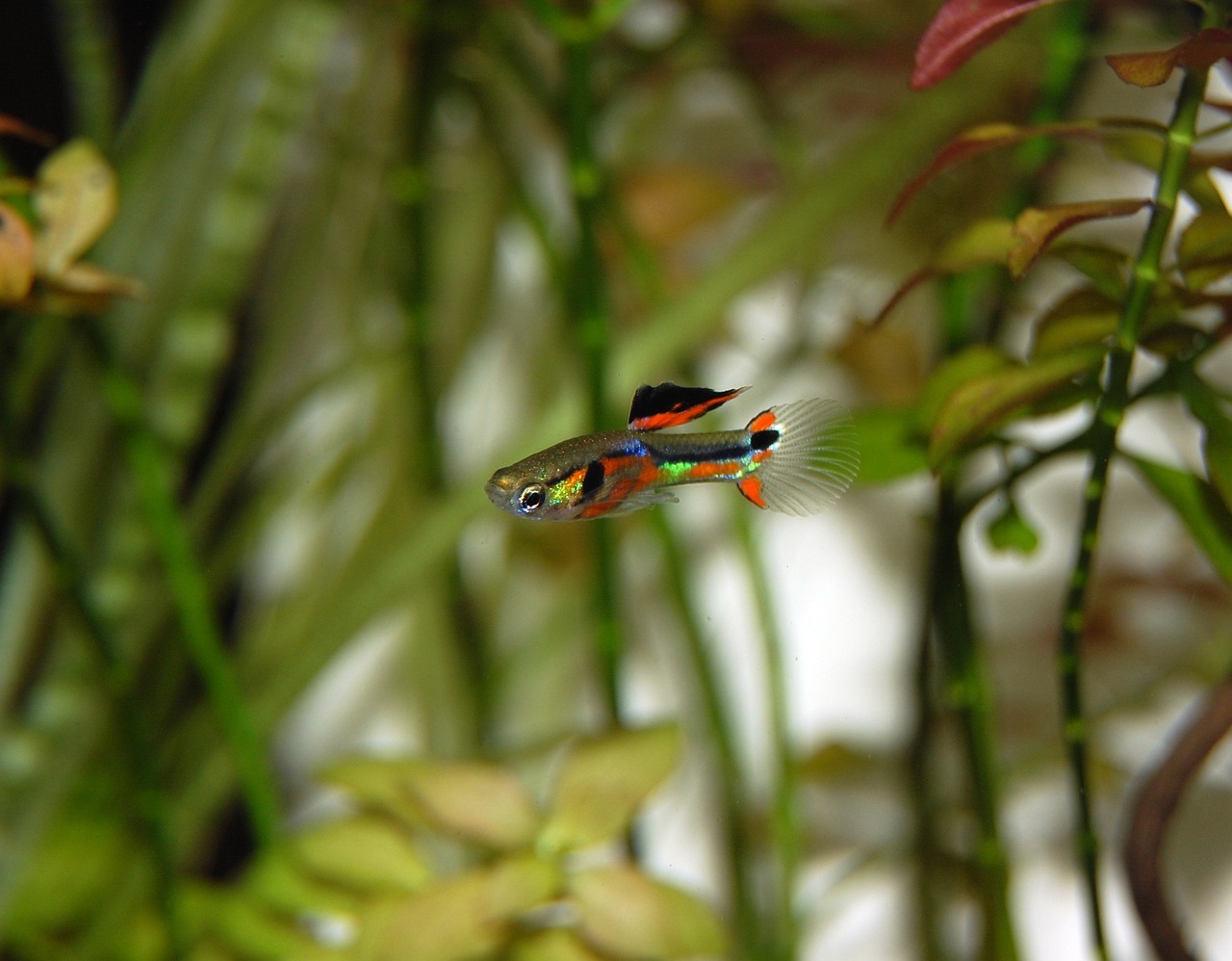
Endler’s livebearers (Poecilia wingei) are tiny, brilliantly coloured fish that breed prolifically in home aquariums. However, decades of crossing with common guppies (Poecilia reticulata) have created a spectrum of hybrids that blur the line between species. This Endler livebearer hybrid guide from Gensou Aquascaping at 5 Everton Park clarifies the classification system and helps you keep these dazzling nano fish successfully. This guide sits inside our broader Tropical Fish Species Master Index reference.
Understanding Endler Classes
The Endler community uses a classification system with three classes. Class N (pure) fish have documented lineage traceable to wild-caught populations from Laguna de Patos or other Venezuelan locations. Class P (presumed pure) fish look like pure Endlers but lack documented lineage. Class K (hybrid) fish are known crosses between Endlers and guppies. All three classes make wonderful aquarium fish, but serious breeders keep Class N lines separate to preserve the wild genotype.
How to Identify Hybrids
Pure Endler males are small (2–2.5 cm), have a distinctive double sword or lyretail, and display neon green, orange and black patterns. Hybrids often show traits inherited from guppies: larger body size, broader tail fins, pastel colours and patterns not seen in wild populations. Females are harder to distinguish — pure Endler females are slimmer and more colourful than guppy females, but hybrids fall on a spectrum. If purchased from a shop without lineage documentation, assume they are Class P or K.
Tank Requirements
Endlers and their hybrids thrive in nano tanks of 20–40 litres. Maintain the temperature between 24 °C and 30 °C, with a pH of 7.0–8.5 and moderate hardness. They prefer slightly alkaline, hard water but adapt to most conditions. A gentle sponge filter is ideal — it provides biological filtration without creating currents that stress these small fish, and it protects fry from being sucked in.
Diet and Feeding
Feed crushed high-quality flake or micro pellets as the staple. Supplement with frozen baby brine shrimp, daphnia and spirulina-based foods. Endlers are constantly grazing, so feed small amounts two to three times daily. Their tiny stomachs cannot handle large meals, and uneaten food quickly fouls small tanks.
Breeding and Population Control
Endlers breed at an astonishing rate. A single female can produce a batch of 5–25 fry every 23–28 days. In a mixed tank, the population doubles within a few months. If you want to maintain a pure strain, keep only one type in each tank and separate males from females of different strains. For hybrid keepers, population control becomes essential — consider keeping them with peaceful fish large enough to eat some fry, or rehome excess fish to local hobbyists.
Tank Mates
Endlers are peaceful and tiny, so choose tank mates carefully. Good options include cherry shrimp, small Corydoras, otocinclus, nerite snails and other nano fish like chili rasboras. Avoid anything large enough to eat them or aggressive enough to harass them. Never keep Endlers with guppies unless you accept hybridisation — the two species cross readily and produce fertile offspring.
Common Health Issues
Endlers are remarkably hardy but susceptible to columnaris in stagnant or dirty water and internal parasites in wild-caught specimens. Maintain regular water changes and avoid overcrowding — their prolific breeding is the biggest management challenge. Healthy Endlers are constantly active, displaying vibrant colour and chasing each other in energetic courtship dances.
Related Reading



